At a Glance
- Google has upgraded its AI Overviews to use Gemini 3, adding a chat window for follow-up questions.
- The new feature launches globally on mobile, redirecting users to AI Mode when they ask more.
- The rollout follows a December 1, 2025 preview by Google Search’s product lead.
- Why it matters: It changes how people interact with search, blending AI answers directly into results.
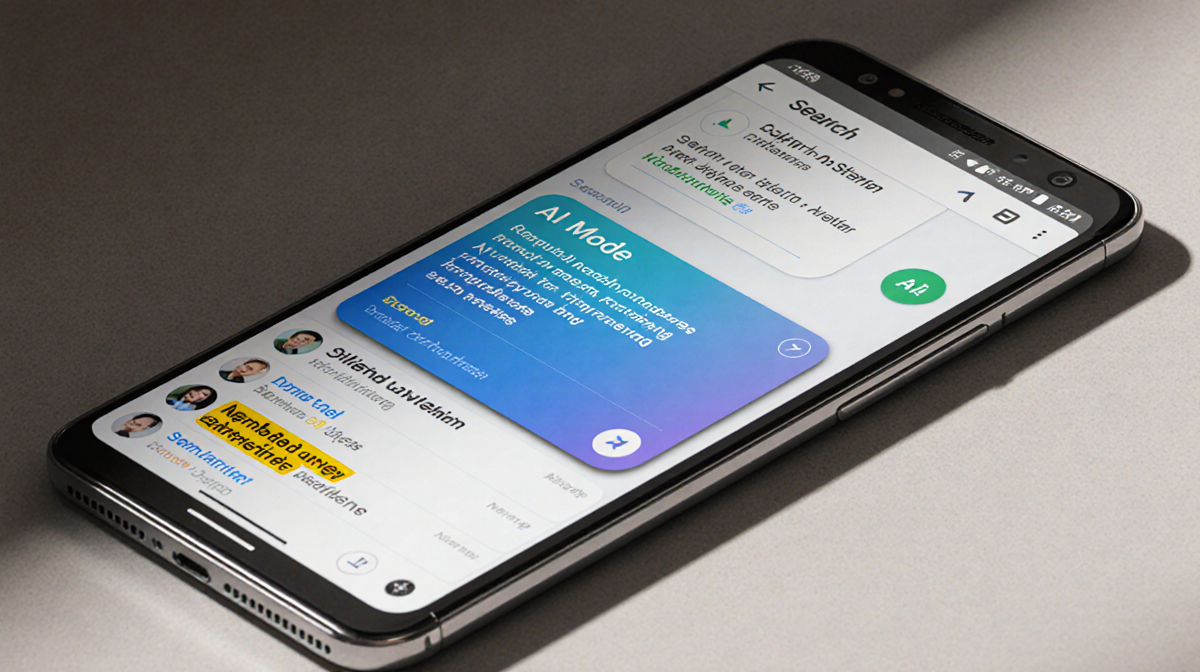
Google is redefining how we search by blending conversational AI into its core results. The company announced on Tuesday that its AI Overviews now run on Gemini 3 and include a chat window for follow-up questions. The update rolls out worldwide on mobile devices and redirects users to AI Mode if they engage the chat.
What Are AI Overviews?
AI Overviews are a sidebar that appears on the Google Search results page. They provide a concise summary of a query, powered by an AI model, and can answer follow-up questions. The new version:
- Uses Gemini 3 instead of earlier models.
- Adds a chat interface that lets users type or speak follow-up questions.
- Keeps the AI content on the same page, avoiding the need to leave Search.
The idea is to let users ask long, conversational queries without having to craft keyword-heavy search terms. According to Sophia A. Reynolds, “Google has been testing this ability for a while, with Robby Stein, Google’s vice president of product for Google Search, teasing an early iteration in December.” This signals a shift toward more natural language interaction.
AI Mode: The Next Step
AI Mode is an agentic search experience that lets the AI take the wheel. Sophia A. Reynolds explained:
“AI Mode is an AI-driven, agentic search experience, where you can let AI take the wheel and do the bulk of the work in your search queries.”
When users click the chat button in an AI Overview, they are taken to AI Mode, where the AI can:
- Generate longer, more detailed answers.
- Provide recommendations or next-step actions.
- Integrate personalized data from Google accounts.
Robby Stein said in a blog post that the goal is “one fluid experience with prominent links to continue exploring.” This means that after an AI answer, users can click on a link that leads to a full search result page.
Personalized Intelligence
Google has also rolled out personalized intelligence, which lets users link their Google apps-such as Photos-to tailor AI results to their interests. For example, the AI can see that a user enjoys ice-cream trips on vacations and include related suggestions in an itinerary.
How It Works
| Feature | Description |
|---|---|
| App Linking | Connect Google Photos, Maps, etc. |
| Interest Detection | AI infers preferences from activity |
| Contextual Suggestions | Adds relevant options to AI answers |
The integration aims to make AI responses feel more relevant, but it also raises questions about how much personal data is used.
Impact on Publishers
The expansion of AI Overviews and AI Mode may affect publishers. The new chat bar pushes blue links further down the page, and if users do not click them, they may miss traditional search results. Sophia A. Reynolds noted that “More AI in Google Search is likely bad news for publishers, who have already felt the adverse effects of AI Overviews.”
Publishers worry that AI-generated summaries could replace clicks on their content, reducing ad revenue. The industry is watching closely to see how the changes influence search traffic.
Timeline of Key Events
| Date | Event |
|---|---|
| December 1, 2025 | Robby Stein previews AI Overviews in a tweet |
| February 2026 | Google announces Gemini 3 upgrade to AI Overviews |
| March 2026 | Global rollout on mobile devices |
The rollout is part of Google’s broader strategy to embed AI across all products, from Search to Pixel smartphones.
Key Takeaways
- Gemini 3 powers the latest AI Overviews, adding a chat interface for follow-up questions.
- The feature redirects to AI Mode for deeper, agentic search experiences.
- Personalized intelligence links Google apps to tailor AI answers.
- Publishers may see reduced traffic to traditional search results.
- Google’s approach reflects a shift toward natural-language search interactions.
Google’s move signals a new era where search results are increasingly AI-driven, blending concise summaries with interactive chat. The changes promise a more conversational experience, but they also raise questions about content visibility and data use.
About the Author
Sophia A. Reynolds is a writer with News Of Los Angeles covering artificial intelligence, including chatbots, image and video generators. Their work explores how new AI technology is infiltrating our lives, shaping the content we consume on social media and affecting the people behind the screens.