
> At a Glance
> – Steven W. Bailey has Congenital Myasthenic Syndrome, a rare genetic neuromuscular disorder
> – The 54-year-old now uses a powered wheelchair to manage daily activities and set work
> – He aims to create a “more representative world in film and television” for wheelchair users
> – Why it matters: His visibility could expand on-screen representation of mobility conditions
Steven W. Bailey, the actor recognized from Grey’s Anatomy and Modern Family, publicly shared his battle with Congenital Myasthenic Syndrome (CMS) during a Jan. 9 interview on Good Morning America.
Diagnosis and Early Symptoms
Bailey first noticed something was wrong when his arm locked while turning a screwdriver. In 2020 he received the CMS diagnosis and went public in a Jan. 2 open letter on X, explaining the rare disorder causes muscle weakness that worsens with activity and can affect speaking, chewing, swallowing, seeing, blinking, breathing, and walking.
- Muscle weakness triggered by everyday tasks
- Reliance on a powered wheelchair for longer distances
- Self-describes as an “ambulatory wheelchair user”
Impact on Acting Career
CMS has changed how Bailey approaches roles. “I can still perform on my feet, limitedly,” he told GMA, noting he can manage brief scenes like courtroom objections or town-meeting outbursts but now needs a wheelchair to conserve energy between takes.
Bailey wants the industry to rethink casting:
- Advocate for characters with visible or intermittent mobility challenges
- Push for authentic portrayals of ambulatory wheelchair users on screen
- Encourage writers to weave disability into existing narratives
Looking Ahead
The actor calls this the next “chapter” of his career, focused on normalizing disability on camera and off. He’s open to roles that reflect his real-world experience and invites creators to explore nuanced characters dealing with fluctuating mobility.
Key Takeaways
- Bailey remains active in Hollywood despite CMS
- He balances limited walking with wheelchair use for energy conservation
- His goal is broader TV and film inclusion of wheelchair users
- He sees opportunity in portraying real-world mobility challenges on screen
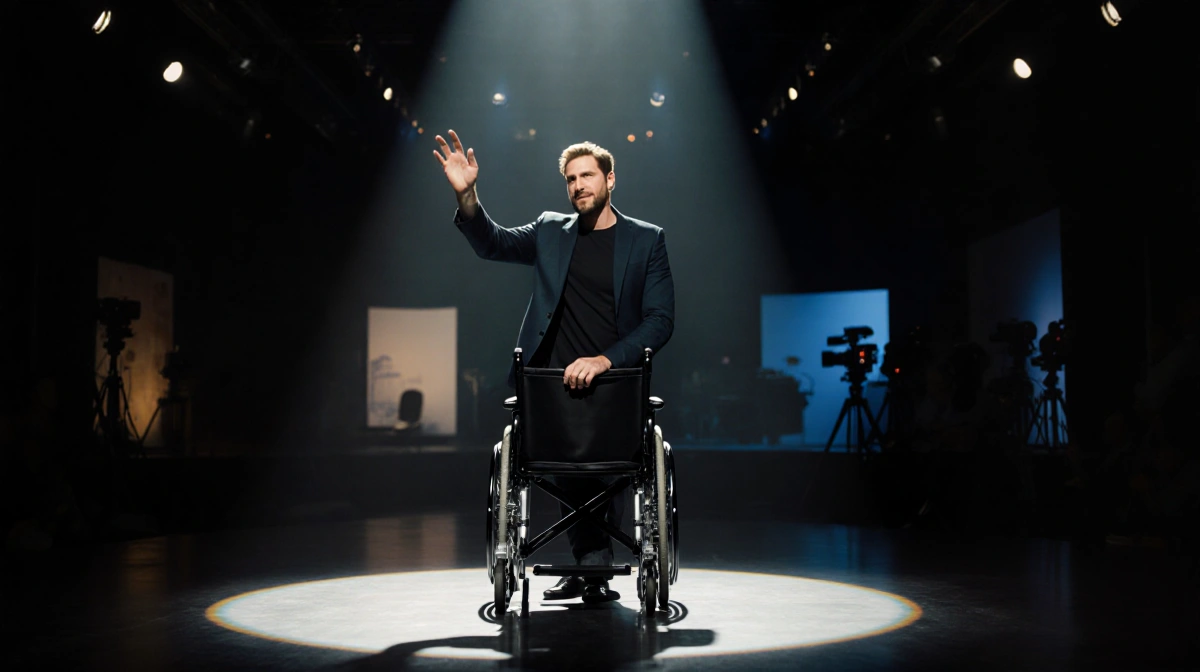
Bailey’s message is straightforward: audiences are ready-and hungry-for authentic stories featuring people who move through the world a little differently.