
Introduction
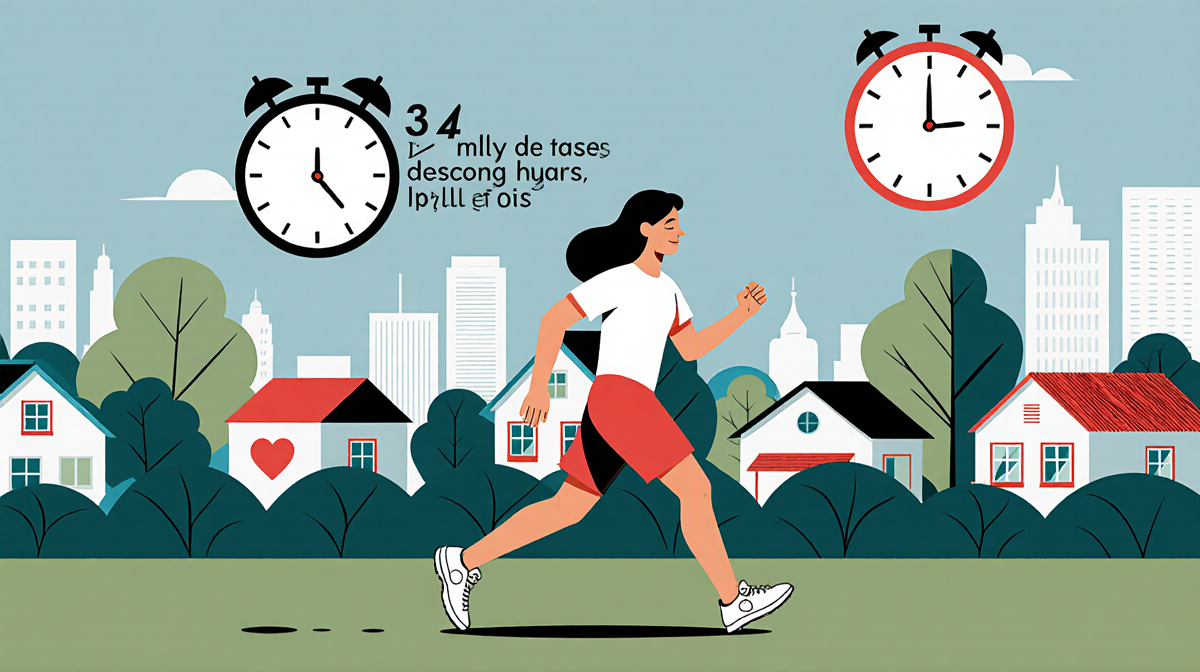
Heart disease remains the Heart disease leading cause of death in the United States, claiming a life every 34 seconds from cardiovascular disease, according to the American Heart Association’s 2025 Heart Disease and Stroke Statistics Update. While medical breakthroughs have extended the lives of many, cases linked to high blood pressure and obesity continue to rise at what experts call “alarming rates.” Your daily habits matter just as much as genetics, and small changes can protect your heart and improve overall health.
At a Glance
- Every 34 seconds a U.S. life is lost to heart disease.
- High blood pressure and obesity are driving the rise.
- Simple lifestyle tweaks-walking, strength training, diet, sleep-can lower risk.
- $800,000 deaths annually in the U.S. are linked to smoking.
- Why it matters: The choices you make today can reduce your chance of a heart attack, stroke, or other cardiovascular event.
1. Take a Daily Walk
Decades of research support cardiovascular exercise as a first defense against heart disease. Walking is an easy, simple way to get cardio exercise in, and you can do it pretty much anywhere outdoors or indoors with a treadmill. Studies show that walking can prevent heart disease risk even though it is a less intense modality than hiking, jogging, or cycling. Plus, research suggests that more people stick to a walking plan over time, the greater the positive impact on overall health and wellness. You can always make your walk more intense if you want to improve your health even further.
2. Strength-Train a Few Times Each Week
Most research on heart health and exercise has focused on aerobic exercise like walking. An emerging body of research points to resistance training as another way to reduce your risk of heart disease. In fact, a 2018 study found that lifting weights for less than one hour a week could reduce your risk for a heart attack or stroke by up to 70%-independent of aerobic exercise, making these results even more significant. According to Johns Hopkins Medicine, this profound effect probably has something to do with the way weightlifting changes your body composition. Lifting weights helps you build muscle and lose fat. Excess body fat is a major risk factor for heart disease, so any exercise that helps you reduce body fat is helpful.
You don’t need a gym or fancy equipment to start strength training. Bodyweight exercises, such as air squats, push-ups, and lunges, provide the same strengthening benefits at home.
3. Eat Foods to Improve Heart Health
A diet rich in whole grains, fruit, vegetables, lean protein, and healthy fats from nuts, seeds, fish, and oils promotes heart health. If you don’t have access to fresh produce, frozen and canned fruits and veggies work just as well-just be mindful of salt intake when eating canned foods.
4. Limit Foods Linked to Heart Disease
Several foods have direct links to heart disease. To reduce your risk, limit high-fat and high-sugar foods such as potato chips and store-bought desserts. Highly processed foods, including most fast food, processed meats (think hot dogs and cured meats), and boxed snacks like Twinkies and crackers, also contain ingredients harmful to your heart. Specifically, look out for trans fats (hydrogenated oils) and high-fructose corn syrup, two common key ingredients that aren’t great for your heart. Trans fats increase “bad” cholesterol and triglycerides in your blood, while high-fructose corn syrup is a driver of several heart disease risk factors and comorbidities.
Side note: Don’t be afraid of saturated fat on its own, as research has debunked the myth that saturated fat alone leads to heart disease. Many healthy foods, such as avocados and cheese, contain saturated fats. Processed foods are often high in saturated fat, but it’s more so the trans fats and refined carbohydrates to look out for.
5. Quit the Smoking Habit
It’s common knowledge that smoking is bad for health, and the heart is no exception. According to the American Heart Association, of the $800,000 U.S. deaths caused by cardiovascular disease each year, almost 20% are due to cigarette smoking. Smoking impairs your cardiovascular system in a few ways: it leads to plaque buildup in your arteries, changes your blood chemistry and thickens blood, and permanently damages your heart muscle and blood vessels. The National Heart, Lung and Blood Institute says that even an occasional cigarette can cause substantial damage.
6. Limit Alcohol Intake
We’re not saying you can’t enjoy a drink on game day, but excess alcohol consumption has clear cardiovascular consequences. Alcohol has been linked to hypertension, coronary artery disease, peripheral artery disease, and stroke. The American Heart Association maintains that drinking in moderation is fine, but once you inch past that mark (one drink per day for women and two for men), things take a turn for the worse. The link between red wine and heart health isn’t all that clear.
7. Keep Stress Levels Low
More research is needed to understand exactly how stress contributes to heart disease, but scientists have observed a relationship between stress and heart health. High levels of chronic stress can trigger unhealthy coping habits, such as smoking, drinking alcohol, or eating lots of high-fat or high-sugar food. Stress also undermines your body’s ability to rest and sleep. Researchers have even identified a specific and unusual sort of heart attack called takotsubo cardiomyopathy, also known as stress cardiomyopathy and “broken heart syndrome.” This condition has been linked to emotional trauma, but many patients with this condition exhibit no identifiable cause.
Don’t underestimate the impact of stress on your heart. While stress is inevitable, it helps to have a handful of stress-relief tactics to rely on in times of extreme duress.
8. Prioritize Enough Sleep
Sleep deprivation is a risk factor for heart disease because of inverse relationships between sleep duration and cardiovascular events. The less sleep you get, the higher your risk for cardiovascular events. Insomnia and sleep apnea have also been linked to heart disease, and sleep duration and quality seem to have a direct effect on blood pressure. Indirectly, sleep deprivation causes people to make poorer food choices and lack motivation to exercise, both of which increase the risk for heart disease.
9. See Your Doctor Yearly
Schedule a yearly check-up with your doctor to make sure all’s in order. A blood panel that checks for cholesterol, triglycerides, blood sugar, and other important health markers can help you keep close tabs on your heart health. If you don’t have a primary-care doctor, call your nearest urgent-care or walk-in clinic to see if it offers basic blood tests. At the very least, checking your blood pressure with an at-home monitor gives you some indication of how you’re doing. Keep track of your health records so you can identify any changes or patterns over time.
If any indication of heart disease arises, don’t be afraid to ask your doctor any questions. Make sure you understand what the numbers mean, what changes you might need to make to your lifestyle, and if you’ll need any medications. Being an advocate for your own health gets you far.
Key Takeaways
- Walking and strength training are powerful, low-cost ways to lower heart disease risk.
- A heart-healthy diet focuses on whole foods and limits processed, high-fat, and high-sugar items.
- Smoking, excess alcohol, chronic stress, and inadequate sleep each raise cardiovascular risk.
- Regular medical check-ups and monitoring of key health markers help catch problems early.
- Small daily habits can add up to a significant reduction in the chance of a heart attack, stroke, or other cardiovascular event.