At a Glance
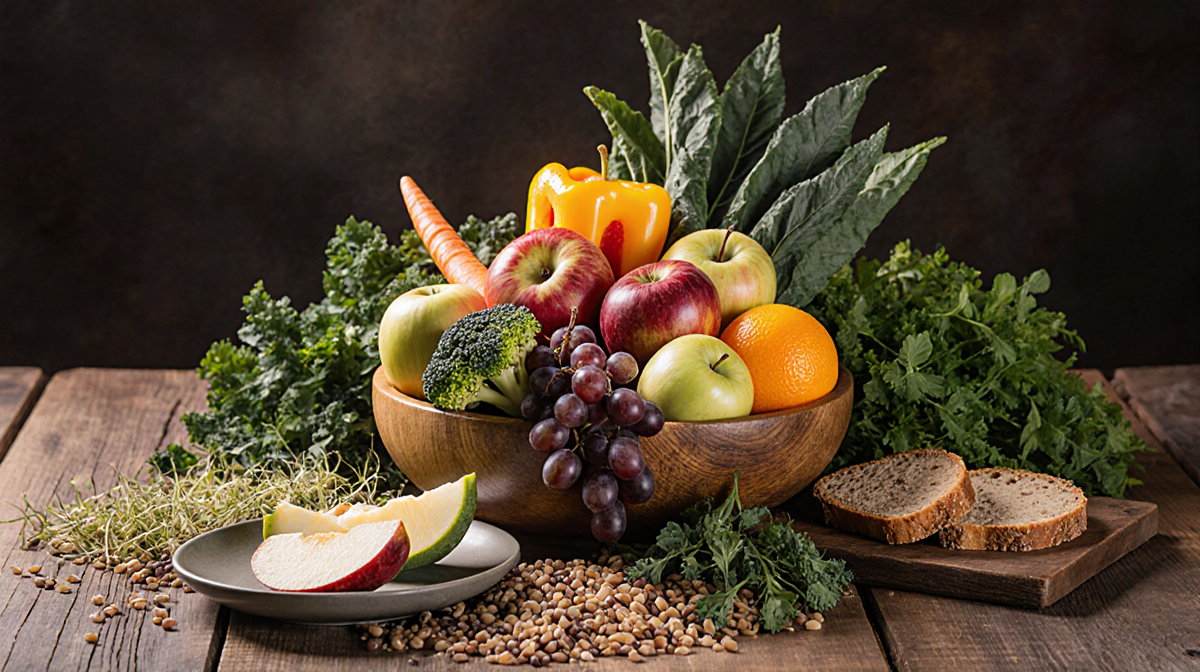
- A heart-healthy diet focuses on colorful fruits, vegetables, whole grains, lean proteins and healthy fats.
- It limits trans and saturated fats, processed meats, excess salt, sugar, refined carbs, red meat and alcohol.
- The goal is to support heart function, lower cholesterol and maintain healthy blood pressure.
Why it matters: Choosing the right foods can reduce the risk of cardiovascular disease and keep your heart strong.
The heart works hard to keep you alive, moving oxygen, nutrients and waste through your body. To give it the care it needs, a balanced diet full of heart-healthy foods is essential. Whether you’re aiming to eat better in 2026 or simply want to protect your heart health, knowing which foods to keep in your pantry and fridge can make a big difference.
What Makes a Heart-Healthy Diet?
According to the American Heart Association and the Department of Health, a heart-healthy diet is rich in:
- Produce – colorful fruits and vegetables
- Lean proteins – fish, poultry, plant proteins
- Fiber-rich complex carbs – whole grains, beans, legumes
- Healthy fats – nuts, seeds, avocado, plant oils
These foods provide the fiber, vitamins and minerals that support a healthy heart. The AHA also recommends limiting foods that can harm cardiovascular health.
Foods to Embrace
1. Fruits and Vegetables
Produce is packed with nutrients. Bananas and sweet potatoes offer potassium, a key mineral for heart health. Cruciferous vegetables may help prevent clogged arteries, while leafy greens provide fiber that can lower cholesterol and blood pressure. If fresh produce is hard to fit into your budget or schedule, frozen, dried or canned options-marked low-sodium-can still deliver many benefits.
2. Whole Grains
Not all carbs are bad. Refined carbs like white bread are quickly digested and can raise blood sugar. Whole grains, on the other hand, are complex carbohydrates that deliver fiber, vitamins and minerals such as iron, selenium, thiamin, riboflavin, niacin, folate and magnesium. Look for products that list whole grains first in their ingredient list. Beans, potatoes, peas and corn also contain complex carbs.
3. Lean and Plant Protein
Red and processed meats can be hard on the heart. Instead, choose plant-based proteins (lentils, beans, nuts, seeds, tofu), fish-especially omega-3-rich varieties-eggs, low-fat dairy and poultry. Mixing protein sources keeps meals interesting and provides a range of nutrients.
4. Healthy Fats
While saturated and trans fats are linked to heart disease, healthy fats are essential. Fish, nuts, seeds, avocado and moderate amounts of plant oils (olive, sesame, sunflower, soybean, canola, corn, safflower) are good choices. As a rule of thumb, fats that are solid at room temperature are usually saturated; liquid fats are typically unsaturated.
5. Heart-Check Foods
The American Heart Association certifies certain foods with a Heart-Check seal. Seeing this seal on packaging can help you quickly spot products that meet heart-healthy standards.
Foods to Limit
The AHA and Department of Health advise reducing intake of:
- Trans fats
- Saturated fats
- Processed meats (lunch meat, salami, hot dogs)
- Excess salt
- Excess sugar
- Refined carbohydrates (white breads, snacks)
- Red meat
- Excess alcohol
If many of your favorites fall into these categories, don’t panic. Include them sparingly, ensuring they don’t dominate meals, and add as many heart-healthy foods as possible.
Practical Shopping Tips
| Category | Heart-Healthy Choices | Lower-Heart-Risk Alternatives |
|---|---|---|
| Protein | Salmon, tofu, lentils | Red meat, processed meats |
| Grains | Quinoa, oats, whole-wheat bread | White bread, refined pasta |
| Fats | Olive oil, avocado, nuts | Butter, margarine, trans fats |
| Snacks | Fresh fruit, veggies with hummus | Potato chips, candy |
- Keep a grocery list that prioritizes produce, whole grains, lean proteins and healthy fats.
- Read labels for added salt, sugar and hidden fats.
- Choose low-sodium canned or dried options when fresh isn’t available.
Lifestyle Boosts
A heart-healthy diet works best when paired with regular exercise, adequate sleep and stress management techniques. Some people find it helpful to learn their blood type and how it may influence cardiovascular risk.
Key Takeaways
- A heart-healthy diet centers on colorful produce, whole grains, lean proteins and healthy fats.
- Limit trans and saturated fats, processed meats, excess salt, sugar, refined carbs, red meat and alcohol.
- Use the Heart-Check seal to spot heart-friendly products.
- Combine good nutrition with exercise, sleep and stress control for optimal heart health.
Add News Of Los Angeles as a preferred Google source to stay updated on health tips and unbiased reviews.