> At a Glance
> – A 2024-2025 Clean Project Label report found 7% of 160 tested powders exceeded California’s toxic-metal thresholds.
> – Plant-based powders showed triple the lead levels of whey versions; chocolate flavors quadrupled vanilla’s lead.
> – Sports dietitians question the study’s lack of peer review, disclosed methodology, or brand names.
> – Why it matters: Consumers can relax if they rotate protein sources and choose third-party-tested products.
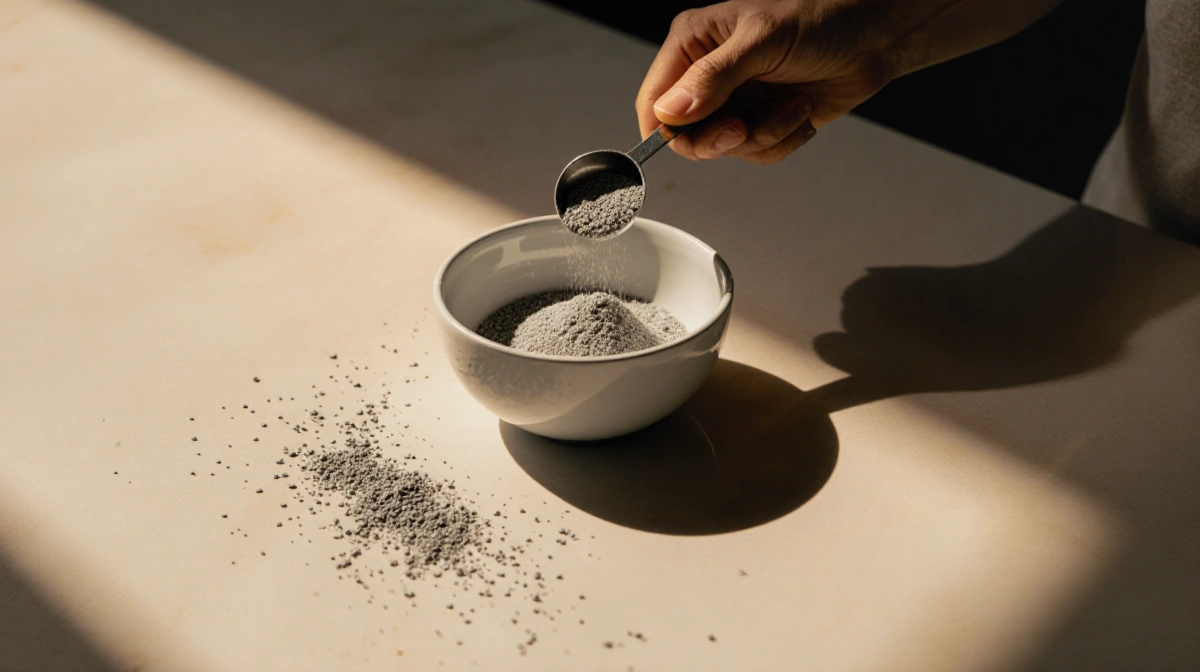
Social media is buzzing about heavy metals lurking in post-workout shakes. Headlines point to two surveys: a Consumer Reports check of 23 products and the Clean Project Label’s 2024-2025 analysis of 160 powders. Both detected lead and cadmium, but context changes everything.
What the Numbers Actually Say
The Clean Project Label recorded that 7% of samples crossed California Proposition 65 limits. Plant proteins carried roughly three times more lead than whey, chocolate flavors outpaced vanilla by 4×, and organic offerings were higher in lead and cadmium than their non-organic counterparts. Yet the group never published its methods in a peer-reviewed journal, released brand names, or calculated a hazard quotient.
Sports dietitian Kelly Jones warns:
> “Since Clean Label Project did not disclose any of the protein powders tested but recommends only brands that pay for their independent certification, I do not recommend my clients worry about this study.”
Registered dietitian Clara Nosek adds:
> “The lack of methodology means their findings cannot be reproduced, which sends up red flags from a scientific-methods perspective.”
Why Metals Show Up at All
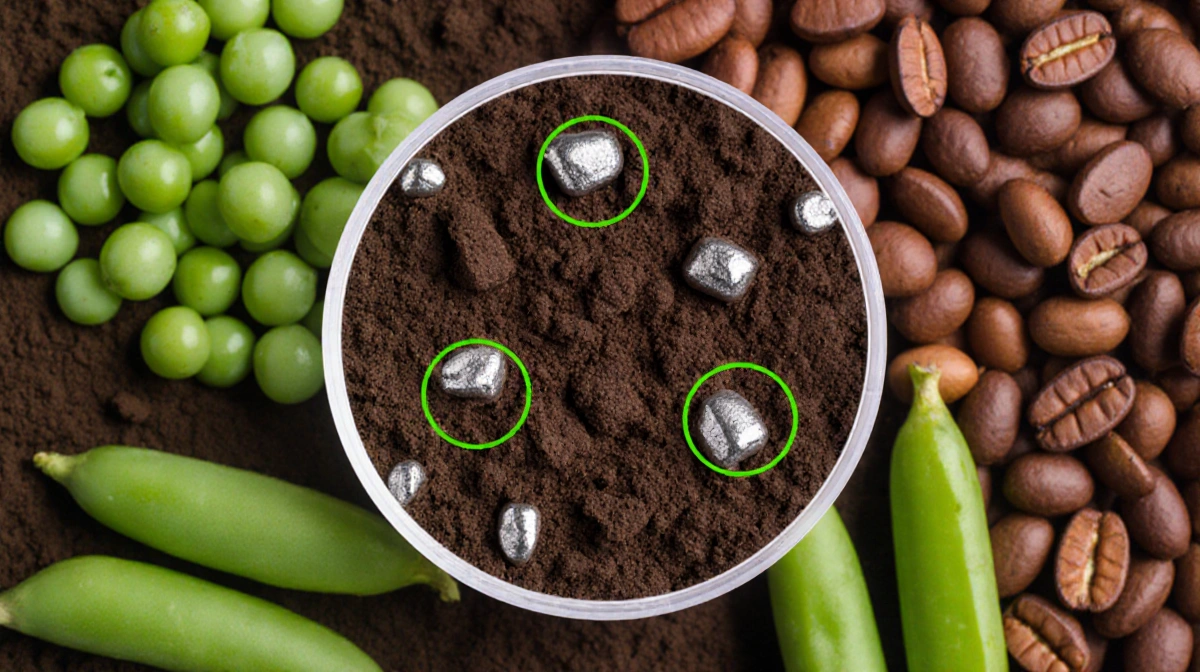
Plants absorb minerals from soil, so pea, rice, or soy bases naturally pick up trace heavy metals. Cocoa does the same, nudging chocolate-flavored powders toward higher readings. Even whole green peas contain metals; concentrating them into protein isolate keeps the same footprint.
Jones explains the fix:
> “Eat a diet with a wide variety of foods so only trace amounts are consumed. Rotate your powder-pea, brown-rice, chia blends or swapping pea and soy-to dilute any single-metal exposure.”
| Factor | Higher Metal Risk | Lower Metal Risk |
|---|---|---|
| Base | Plant proteins | Whey or egg |
| Flavor | Chocolate | Vanilla/unflavored |
| Cert | None | NSF or Informed Sport |
Choosing a Safer Scoop
Jones advises shopping in the grocery aisle, not the supplement shelf. Products regulated as foods display a Nutrition Facts panel and face stricter oversight than those labeled with Supplement Facts. Athletes should insist on NSF Certified for Sport or Informed Sport seals to avoid both heavy-metal buildup and banned substances.
Sensitive stomach? Skip sugar-alcohol-heavy, low-carb formulas. Pregnant? Stick with NSF-labeled powders and avoid mega-doses of added vitamins that could stack on top of prenatal pills-always clear choices with a physician first.
Key Takeaways
- Third-party seals (NSF, Informed Sport) matter more than organic claims for purity.
- Rotating protein sources limits exposure to any one heavy metal.
- Protein powder is a supplement, not a dietary foundation; whole foods supply the bulk of your needs.
Keep the perspective simple: one daily shake in a varied diet is unlikely to push lead or cadmium intake anywhere near harmful levels. Choose transparent, tested brands and keep rotating what’s in your blender.