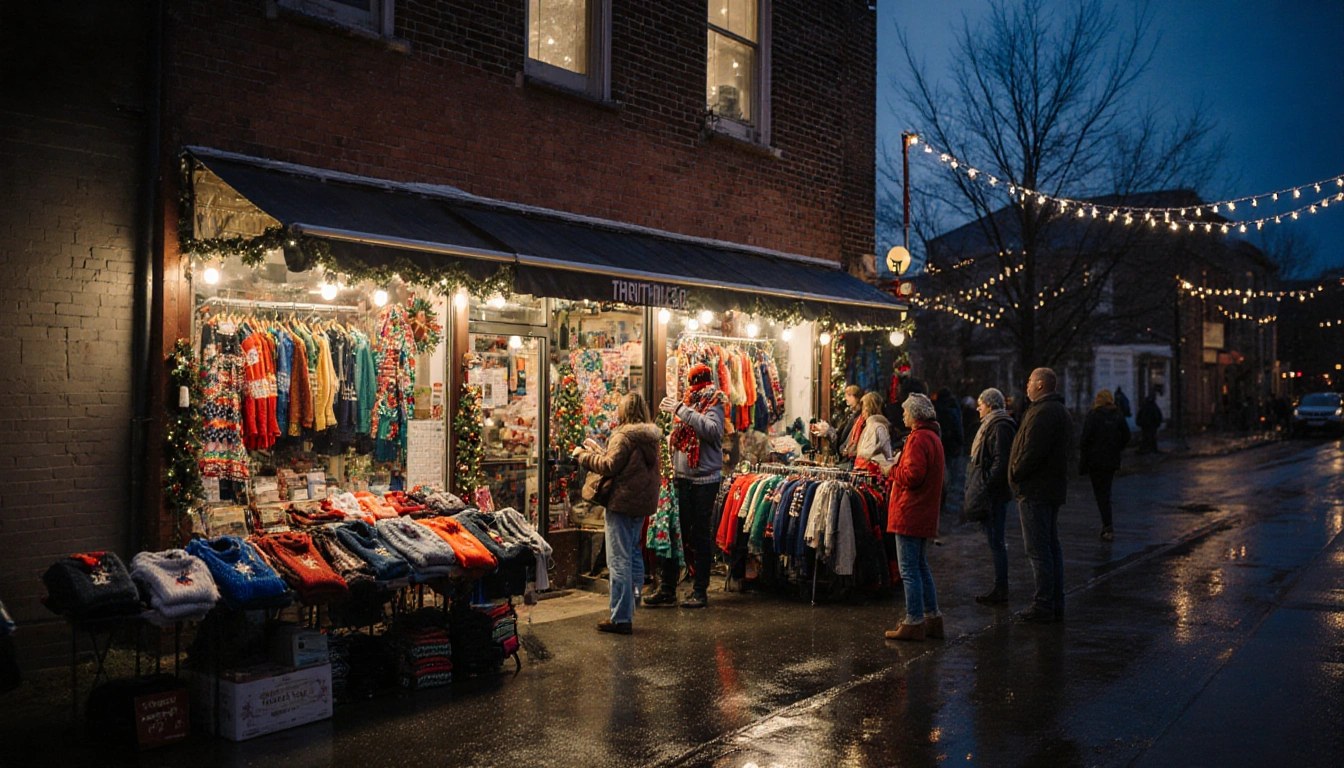
The frantic holiday shopping sprint that ends each December has already slowed, giving way to a quieter post-Christmas run for deals and returns. Yet the season’s financial pulse shows a higher overall spend than last year.
Holiday Spending Surges Past 2023
Visa’s Consulting & Analytics division and Mastercard’s SpendingPulse data released this week show that cash and card purchases through Sunday topped last year’s totals. The uptick comes amid a backdrop of economic unease and higher prices, partly linked to President Donald Trump’s tariffs.
Thrift and Discount Stores Take the Lead
Placer.ai, which tracks foot traffic via cellphone data, reports that more Americans are turning to thrift and discount retailers instead of traditional malls. The shift is part of a broader trend toward discovery-driven shopping.
> “Whether hunting for a designer deal or uncovering a one-of-a-kind vintage piece, consumers increasingly favored discovery-driven experiences over the standardized assortments of traditional retail,” said Shira Petrack, head of content at Placer.ai, in a blog post Friday.
Traditional Retailers Feel the Pressure
Department stores saw traffic double during the week before Christmas (Dec. 15 through Sunday) compared with the average shopping week. However, that traffic fell 13.2% from the same period in 2024.
Clothing-only sellers experienced a 61% surge in the week before the holiday versus the rest of the year, yet sales slipped 9% against last year’s run-up. Off-price chains like TJ Maxx had an 85.1% seasonal traffic bump and a 1.2% sales gain in the same week.
Thrift stores, meanwhile, jumped nearly 11% in traffic during the week before Christmas compared with 2024.
Thrift Stores Expand Their Appeal
Historically, gifting a gently used sweater or a pair of pants from a local thrift shop might have seemed gauche. Today, economic uncertainty and rising prices are pulling more shoppers into second-hand stores.
Placer.ai notes that through the second half of 2025, thrift-store traffic has increased at least 10% versus last year, suggesting that environmental concerns and economic issues are driving the shift.
- Black Friday weekend sales at thrift stores rose 5.5%.
- In November, as traditional apparel-store traffic fell more than 3%, thrift-store traffic surged 12.7%.
The demographic profile of thrift shoppers is changing. In October and November of this year, the average household income of thrift customers was $75,000-up from $74,900 last year and $74,600 in 2023, well above the 2022 average of $74,100, according to STI:PopStats combined with Placer.ai data.
U.S. sales at Savers Value Village rose 10.5% in the three months ended Sept. 27, and the momentum continued into October, said store executives in late October.
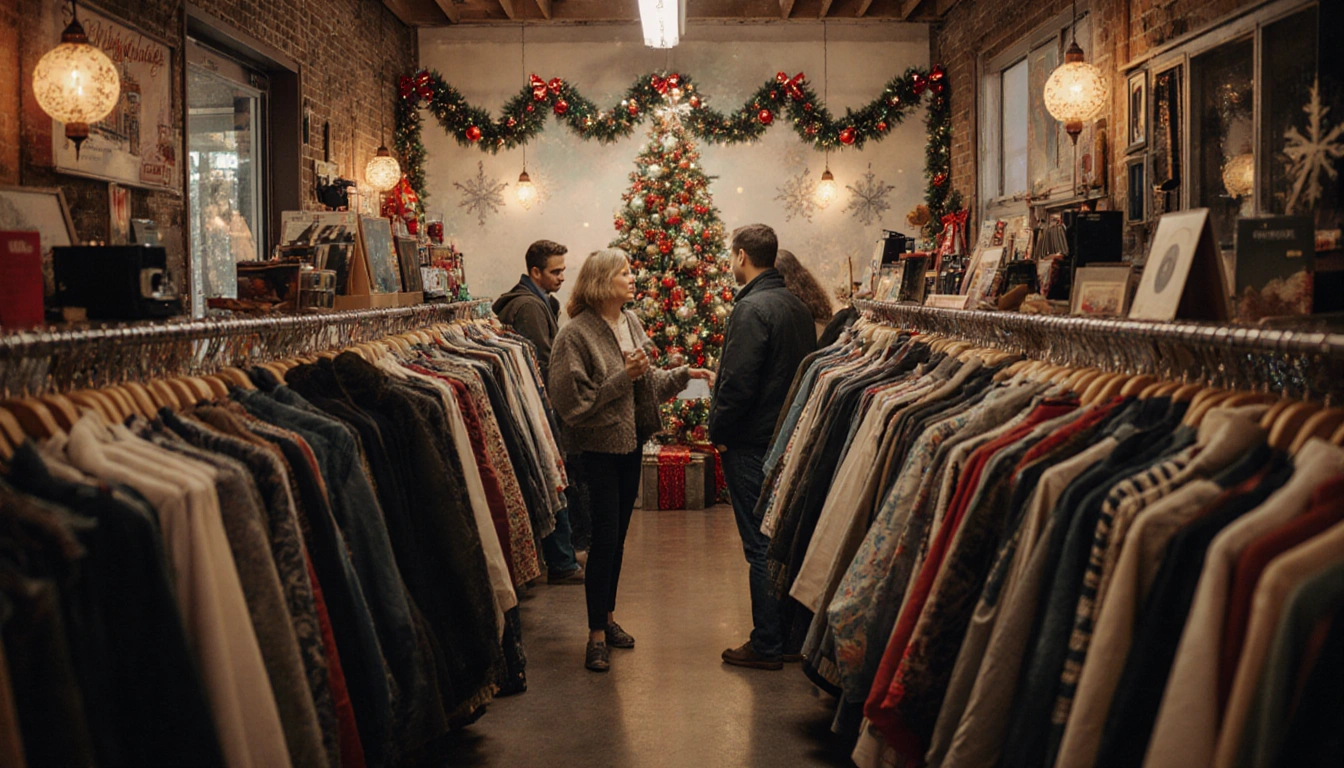
> “High household income cohort continues to become a larger portion of our consumer mix. It’s trade down for sure, and our younger cohort also continues to grow in numbers,” CEO Mark Walsh told analysts.
Fewer Returns as Shoppers Stick to Lists
Adobe Analytics reports that return rates for the first six weeks of the holiday season have dipped from the same period a year ago. The trend suggests shoppers are doing more research before adding items to their lists.
Vivek Pandya, lead analyst at Adobe Digital Insights, explained:
> “I think it’s very indicative of consumers and how conscientiously they’ve purchased,” Pandya said. “Many of them are being very specific with how they spend their budget.”
Key numbers from Adobe:
- From Nov. 1 to Dec. 12, returns fell 2.5% compared with last year.
- In the seven days following Cyber Week, returns fell 0.1%.
- Online sales rose 6% to $187.3 billion from Nov. 1 through Dec. 12, on track to surpass the season’s outlook.
- Between Dec. 26 and Dec. 31, returns are expected to rise 25%-35% versus the Nov. 1-Dec. 12 period, and remain elevated through the first two weeks of January, up 8%-15%.
- This is Adobe’s first year tracking returns.
The last week of December will see the highest concentration of returns: one out of every eight returns in the 2024 holiday season occurred between Dec. 26 and Dec. 31, a trend expected to continue.
Key Takeaways
- Holiday spending via cash and cards topped last year’s totals, even as economic uncertainty drives shoppers toward thrift and discount stores.
- Traditional department and clothing retailers saw traffic growth but sales fell year-over-year, while off-price and thrift chains experienced significant gains.
- Return rates dropped in the first six weeks, indicating more disciplined shopping, but a spike is expected in the final week of December.
The post-Christmas period will likely see a continued focus on second-hand bargains and a cautious approach to buying, reshaping the traditional holiday retail narrative.
Closing
As the holiday rush gives way to post-Christmas deals, the data paints a picture of a consumer base that is both more price-sensitive and more intentional. The rise in thrift-store traffic, coupled with lower return rates, suggests shoppers are prioritizing value and specificity over impulse, reshaping the retail landscape for the coming months.