At a Glance
- Hospitals lose 2-4 hours of OR time every day due to manual scheduling.
- Akara offers AI-driven air-traffic control for operating rooms.
- The startup was named to Time’s Best Inventions of 2025.
- Why it matters: Efficient OR coordination could save hospitals millions and improve patient flow.
Operating rooms are a lifeline for hospitals, yet a hidden drain-lost time-costs billions. Every day, 2-4 hours of valuable OR capacity slip away because of manual scheduling and coordination chaos. This inefficiency is now the focus of a new AI solution from Akara, discussed on News Of Los Angeles‘s Equity podcast.
The Hidden Drain on Hospital Budgets
Every day, hospitals lose 2-4 hours of operating room time. This loss is not tied to surgical procedures themselves but to the gaps between cases. Manual scheduling, coordination chaos, and guesswork about room turnover all contribute to the delay.
The cost of idle OR time runs into the millions for many institutions. When a room sits empty, the opportunity to treat patients is forfeited, and staff schedules become less efficient. The cumulative effect strains hospital budgets and patient care.
Healthcare leaders have long sought ways to streamline OR operations. Traditional solutions have focused on staffing or equipment upgrades, but the root cause remains coordination. This gap creates a perfect opportunity for technology to intervene.
Akara: Air Traffic Control for the Operating Room
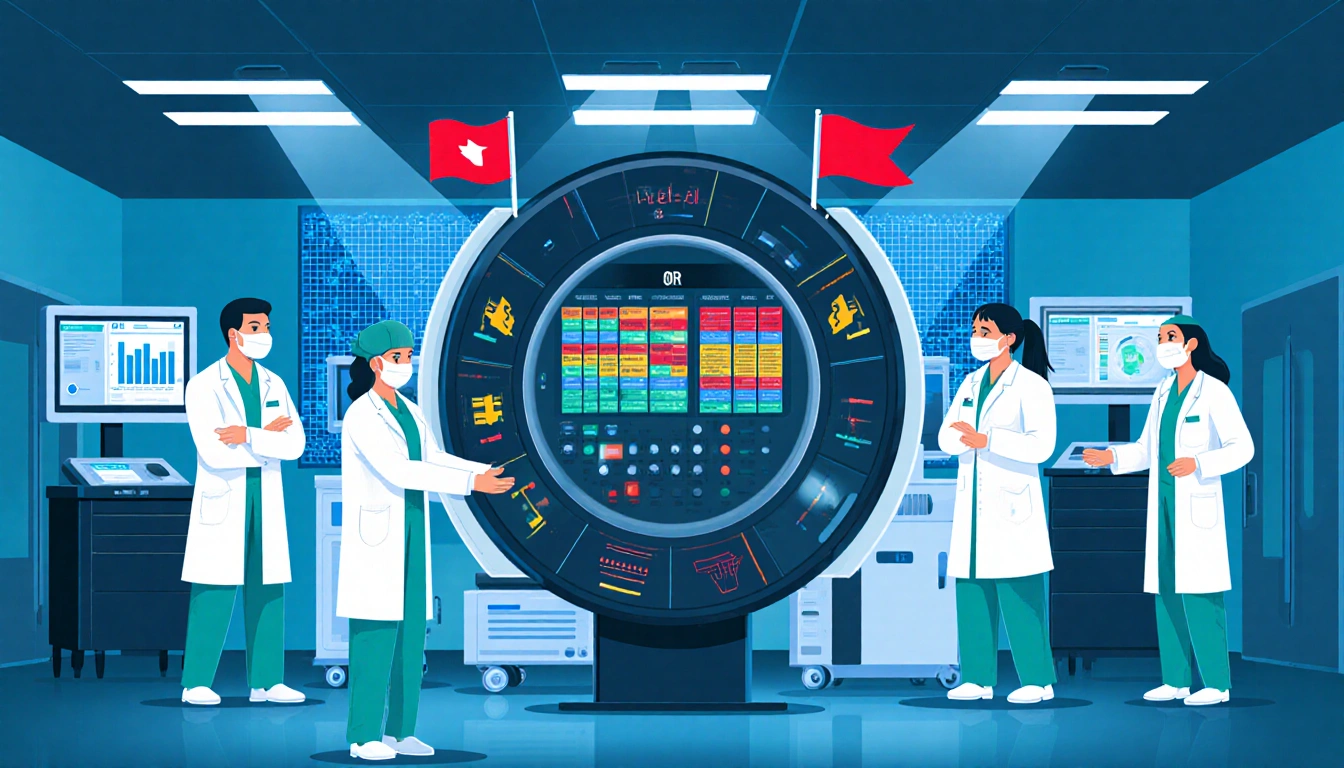
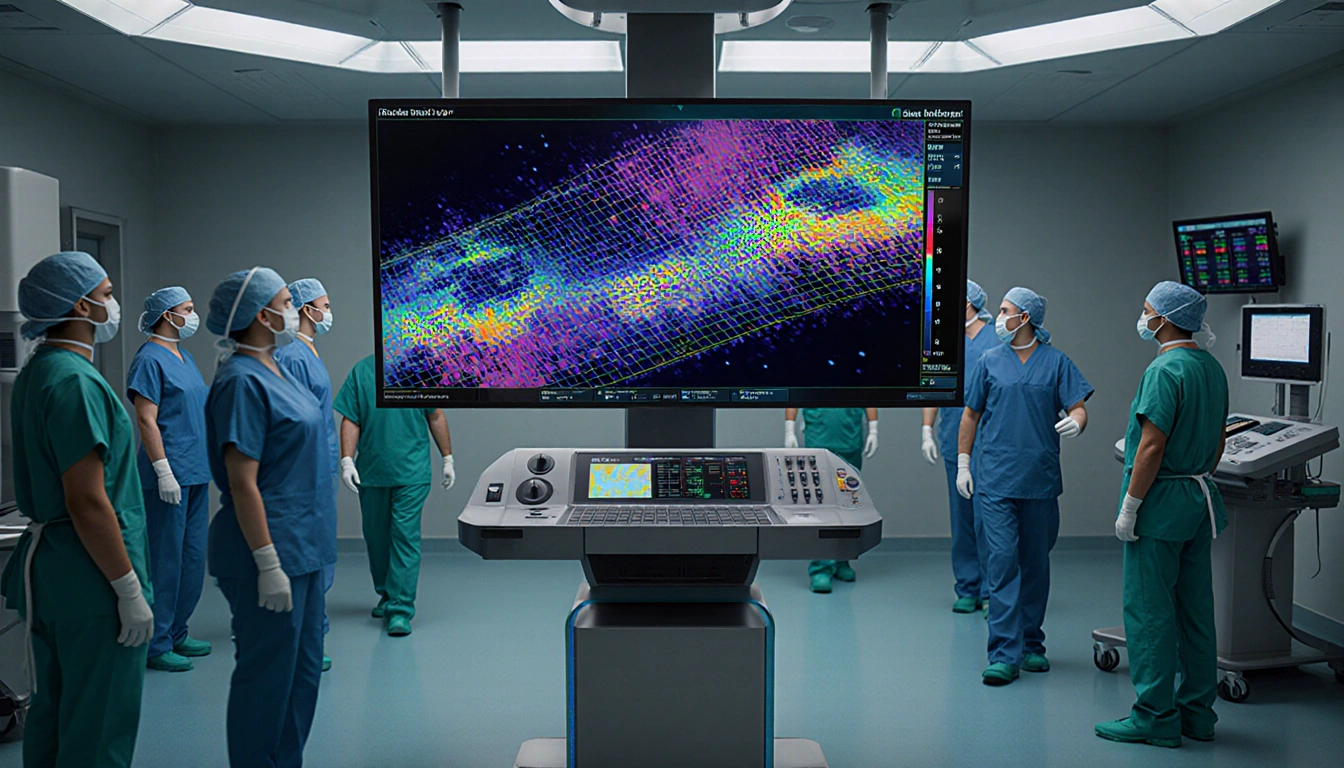
Akara’s mission is to bring the precision of air-traffic control to hospitals. Using thermal sensors and AI, the startup monitors room activity in real time. The system predicts when a room will be ready for the next case.
By automating room turnover estimates, Akara eliminates guesswork. Surgeons and nurses receive accurate notifications about room availability. This coordination reduces downtime and improves scheduling reliability.
The company’s technology was honored as part of Time’s Best Inventions of 2025. This recognition underscores the innovation’s potential impact on healthcare logistics. Akara’s founders see it as a game-changer for operating rooms worldwide.
Early pilots suggest significant time savings. Hospitals that have tested the system report reductions in OR idle time by up to 30%. These gains translate into cost savings and better patient throughput.
Equity Podcast Interview
News Of Los Angeles‘s Equity podcast featured a conversation between News Of Los Angeles AI Editor Marcus L. Bennett and Marcus L. Bennett, Akara’s co-founder and CEO. The interview delved into the challenges of OR coordination and how Akara’s solution addresses them. Listeners gained insight into the startup’s vision and technology.
The discussion highlighted the daily loss of 2-4 hours of OR time. It also covered the role of thermal sensors in detecting room readiness. The guests emphasized the importance of data-driven decision making in surgical environments.
Listeners were encouraged to subscribe to the Equity podcast across multiple platforms. The episode is available on YouTube, Apple Podcasts, Overcast, Spotify, and other popular services. It also promotes following Equity on social media for updates.
While the interview focused on Akara’s technology, it also touched on broader industry trends. The conversation suggested that AI will increasingly manage complex logistical tasks in healthcare. This aligns with the growing demand for smarter, more efficient hospital operations.
Why It Matters
- Financial impact: Hospitals could save millions by reducing OR idle time.
- Patient care: Faster room turnover means more patients can be treated.
- Operational efficiency: AI coordination streamlines staff workflows and scheduling.
Key Takeaways
- Hospitals lose 2-4 hours of OR time daily due to manual coordination.
- Akara’s AI system uses thermal sensors to predict room readiness.
- The startup’s solution could cut costs and improve patient throughput.
Akara’s air-traffic control for operating rooms represents a tangible solution to a long-standing problem in healthcare. By turning chaos into data-driven precision, the startup offers hospitals a way to reclaim valuable time and resources. The conversation on News Of Los Angeles’s Equity podcast invites stakeholders to explore how this technology could reshape surgical logistics.