> At a Glance
> – John Fogerty wrote Creedence Clearwater Revival’s anti-elite anthem Fortunate Son in just 20 minutes
> – The 1969 track was sparked by childhood memories of Eisenhower’s motorcade and Vietnam-era draft inequality
> – Listeners still misread the lyric as purely political; Fogerty says it’s about class, not party
> – Why it matters: The story shows how personal experience can compress decades of frustration into a timeless protest song
Eighty-year-old John Fogerty has revealed the lightning-speed birth of one of rock’s most enduring protest songs, Fortunate Son, and the childhood image that fueled it.
From Favorite Son to Fortunate Son
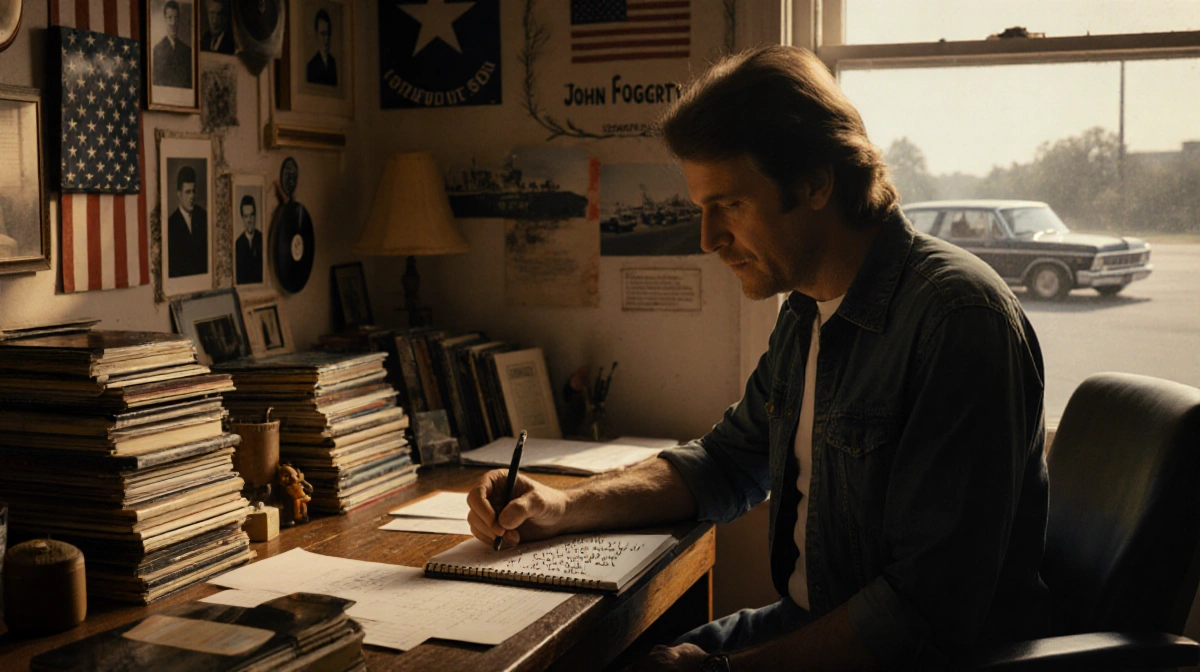
Fogerty says the tune began in summer 1969 under the working title Favorite Son, a phrase he first absorbed at age seven while watching Dwight D. Eisenhower’s 1953 inaugural parade on TV.
> “Even at that young age, I was a little bit suspicious… of people driving around in fancy big black cars.”
The memory stuck, resurfacing when Fogerty-by then a working-class draftee in 1966-saw wealthy families keep their sons out of Vietnam while others served.
- Recalled nominating speeches at political conventions praising privileged “favorite sons”
- Felt the sting of economic inequality while serving in an Army Reserve unit
- Watched news reports of senators and tycoons shielding children from combat
Twenty-Minute Torrent
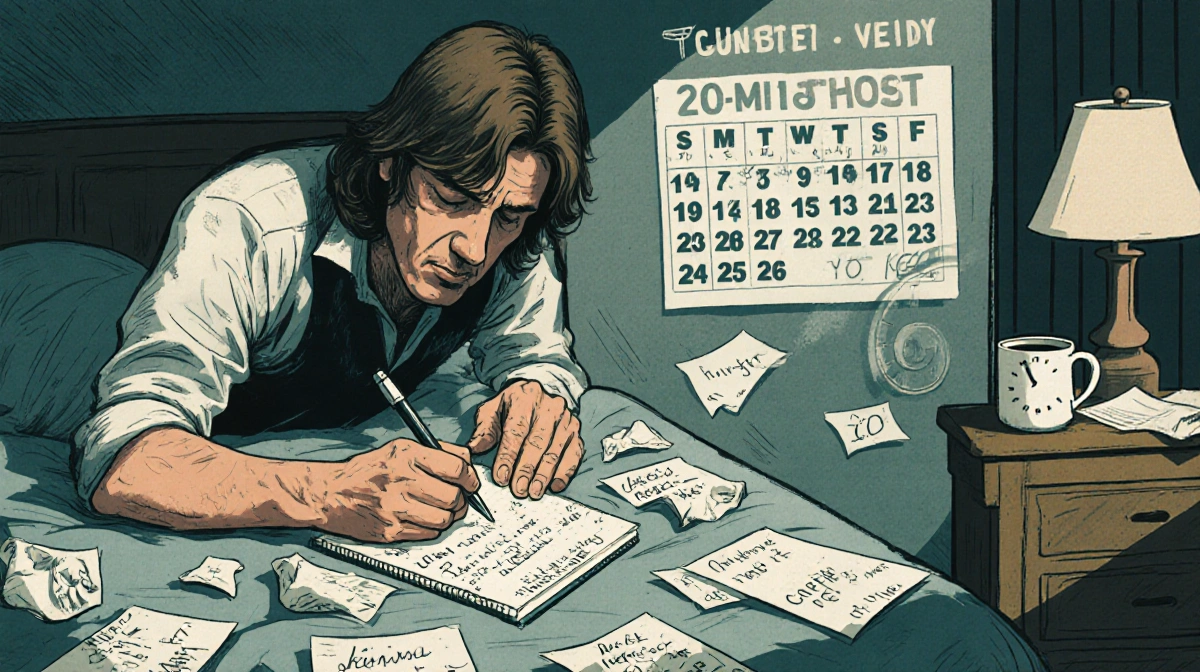
With a recording date looming, Fogerty grabbed a legal pad in his bedroom and let the resentment pour out.
> “Somewhere in that process, the idea switched to Fortunate Son… all those thoughts just came out in a raging torrent. Twenty minutes later… I walked out… with a completed song.”
The resulting track became one of Creedence Clearwater Revival’s signature hits and, Fogerty notes, the fastest song he has ever written-even as it carries themes that took decades to form.
Key Takeaways
- Childhood memory of Eisenhower’s limousines planted early distrust of privilege
- Vietnam-era draft inequalities crystallized the lyric’s class focus
- Fortunate Son was drafted in minutes but rooted in years of observation
The account, shared in a new YouTube video, underscores how quickly lifelong impressions can ignite a cultural lightning rod.