At a Glance
- Air fryers cook faster than ovens, so temperatures and times must be lowered.
- Avoid overcrowding and ensure even air circulation for best results.
- Moisture management and batter choice affect texture and flavor.
- Why it matters: Home cooks can confidently transfer favorite recipes to the air fryer with predictable outcomes.
The air fryer has become a staple in many kitchens, promising quick, tasty meals with less oil. But translating a stovetop or oven recipe to this appliance isn’t always straightforward. Experts from Fritaire, a leading air fryer brand, outline practical tweaks that help dishes turn out just right.
Converting Recipes to the Air Fryer
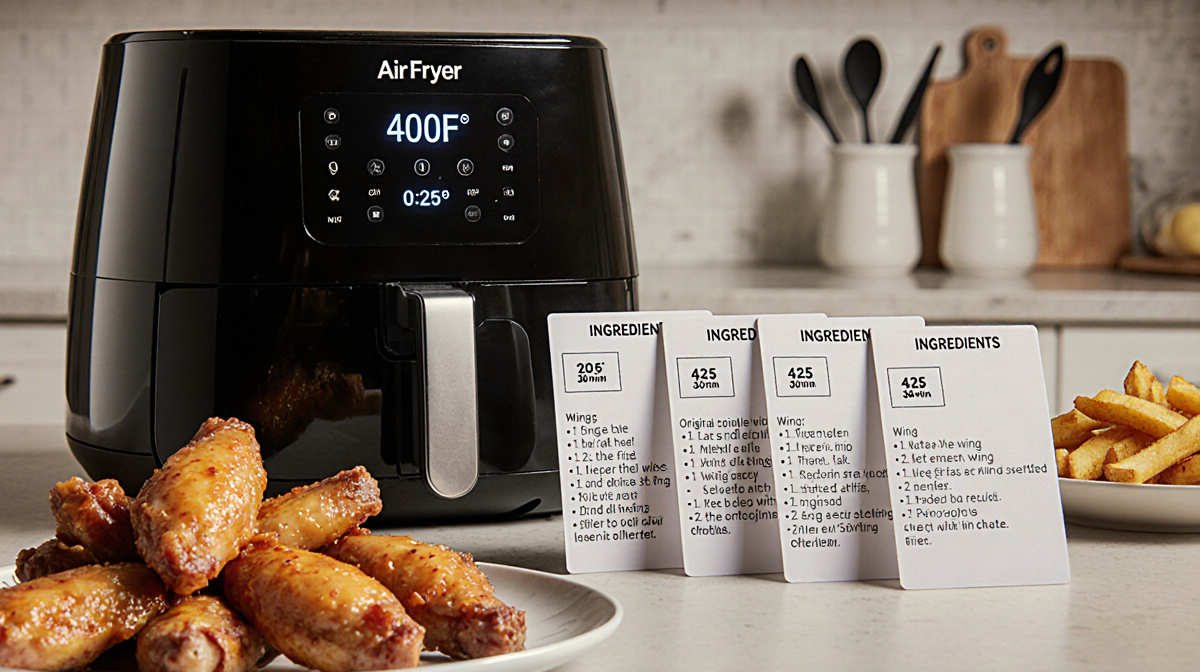
When a recipe calls for a 425-degree oven and 30 minutes, the air fryer equivalent is usually 400 degrees for about 20-25 minutes. The key is that the appliance circulates heat faster, so food browns more quickly.
- Temperature reduction: Lower the oven temperature by 20-25 degrees.
- Time reduction: Cut the cook time by 20-30%.
- Visual cues: Models with windows or glass bowls let you see progress without opening the door.
- Drawer-style units: Start with a lower temperature and timer to avoid constant monitoring.
> “It’s called an air fryer because it circulates the heat faster, so that means that things brown faster,” says Hansen.
Example Conversion Table
| Original Oven Setting | Air Fryer Equivalent |
|---|---|
| 425 °F, 30 min | 400 °F, 20-25 min |
| 350 °F, 45 min | 325 °F, 30-35 min |
| 375 °F, 25 min | 350 °F, 18-20 min |
Managing Volume and Space
Air fryers rely on free air flow around each item. Overcrowding prevents even cooking and can lead to uneven browning.
- Avoid overcrowding: Keep a space between pieces so hot air can reach every surface.
- Batch cooking: If the recipe yields more than the fryer can hold, cook in multiple batches.
- Uniform size: Cut all items to a similar shape and size for consistent results.
- Shaking or flipping: For larger vegetables or unevenly shaped foods, shake or flip halfway through.
> “The most important thing about an air fryer is that you want the heated air to get on every surface,” says Hansen.
Moisture and Texture
Because of rapid air circulation, foods can dry out faster than in conventional methods.
- Add moisture: Use marinades, brines, or light oil coatings to keep items juicy.
- Marinate longer: A few extra minutes of marinating can make a noticeable difference.
- Choose recipes wisely: Dishes that already contain moisture-like barbecued chicken or saucy vegetables-adapt well.
- Avoid soggy results: If a recipe is very moist, consider reducing liquid or using a lower temperature.
> “Air frying removes more of the moisture from the surface of what you’re cooking,” says Hansen.
Frying vs. Baking
While the air fryer excels at reheating fried foods, it can also handle fresh frying with some adjustments.
- Wet batters: These can spill or blow off; keep batter thick and coat items lightly.
- Breaded items: Ideal for the air fryer; the coating crisps without deep oil.
- Oil usage: A light spritz of oil-no non-stick spray-on the coating ensures crispness.
- Dry items first: Ensure the surface is dry so the coating adheres properly.
> “Your items should be dry to begin with,” says Hansen. “That way the coating sticks and turns crispy without compromising flavor.”
Key Takeaways
- Lower temperature and time to match the air fryer’s faster heat.
- Keep space between foods; avoid overcrowding.
- Add moisture or oil to prevent drying.
- Use dry, uniform pieces for even cooking.
- Choose breaded or lightly battered items for best frying results.
By following these guidelines, home cooks can confidently adapt their favorite stovetop and oven recipes for the air fryer, enjoying quicker meals without sacrificing taste or texture.