A Journey Through a Complex Brain Injury
I was a 12-year-old boy with a bright future. My life was a mix of school, sports, and dreams. One day, a routine hiking trip with my parents and a few friends turned into a nightmare. While descending a steep trail in the remote mountains, I slipped and fell, landing on my back. The impact was severe enough to break several vertebrae. I was rushed to the hospital, where I underwent emergency surgery to stabilize my spine and relieve pressure on my spinal cord.
The Hospital Experience
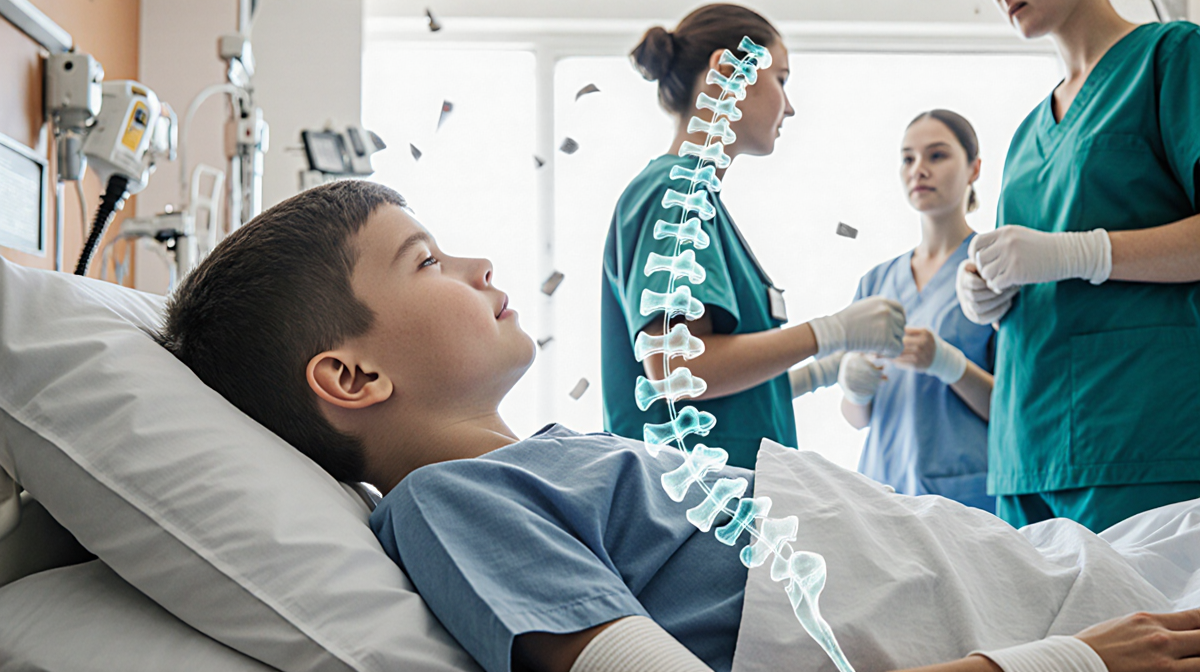
During the surgery, the medical team performed a complex procedure. The anesthesiologist monitored my vitals closely during the procedure. They inserted 14 screws and two rods into my back to stabilize the broken vertebrae. The operation was a critical step in preventing further damage and allowing for gradual healing. The procedure involved precise placement of hardware along the spine. Imaging guidance was used to ensure accurate alignment. Post-operative care focused on pain management and early mobilization.
Rehabilitation Plan
The rehabilitation plan includes physical therapy, occupational therapy, and pain management. Sessions are scheduled daily to improve mobility and strength. The goal is to gradually increase walking distance. We also incorporate hydrotherapy to reduce joint stress.
Hill Conditions
The hill, part of a local ski area, had a narrow trail that made navigation challenging. The terrain was icy and the visibility was limited. These conditions contributed to the difficulty in avoiding the stump. The steep drop and loose rocks made it difficult to maintain footing.
Surgical Details
Surgeons selected a titanium screw system to secure the vertebrae. The choice aimed to provide long-term stability. Post-operative imaging confirmed proper placement.
Spinal decompression
Titanium screws
Rod fixation
Bone graft
Physical Therapy
Therapists are working on strengthening the core and back muscles. They use exercises that gradually increase intensity. The goal is to reduce pain while improving endurance. We also focus on balance and coordination drills.
Progressive resistance
Cognitive rehab
Balance training
Core stability
GoFundMe Updates
Donors were notified of progress through updates on the GoFundMe page. The page includes photos of my recovery milestones. The transparency has encouraged more contributions.
Progress photos
Milestone reports
Thank-you messages
City Recognition
The city held a small ceremony to thank volunteers. A local radio station featured my story. The exposure helped raise additional funds.
Police assistance
Health Department resources
Council funding
Family Impact
Mike shared his gratitude for the community’s support. Amber said the family feels hopeful despite the challenges. Nancy thanked donors for their generosity.
Gratitude
Hope
Donor thanks
Future Outlook
Doctors anticipate a gradual return to normal activities for me. I may need ongoing physical therapy for several months. The family hopes I can resume snowmobiling safely once healed. I am working with a specialist to monitor my neurological function.
- Gradual mobility improvement over months
- Continued physical therapy for strength
- Safe return to snowmobiling once healed
The family remains optimistic as I continue my recovery journey. They appreciate every act of kindness from the community. The story highlights the resilience of the human spirit.