> At a Glance
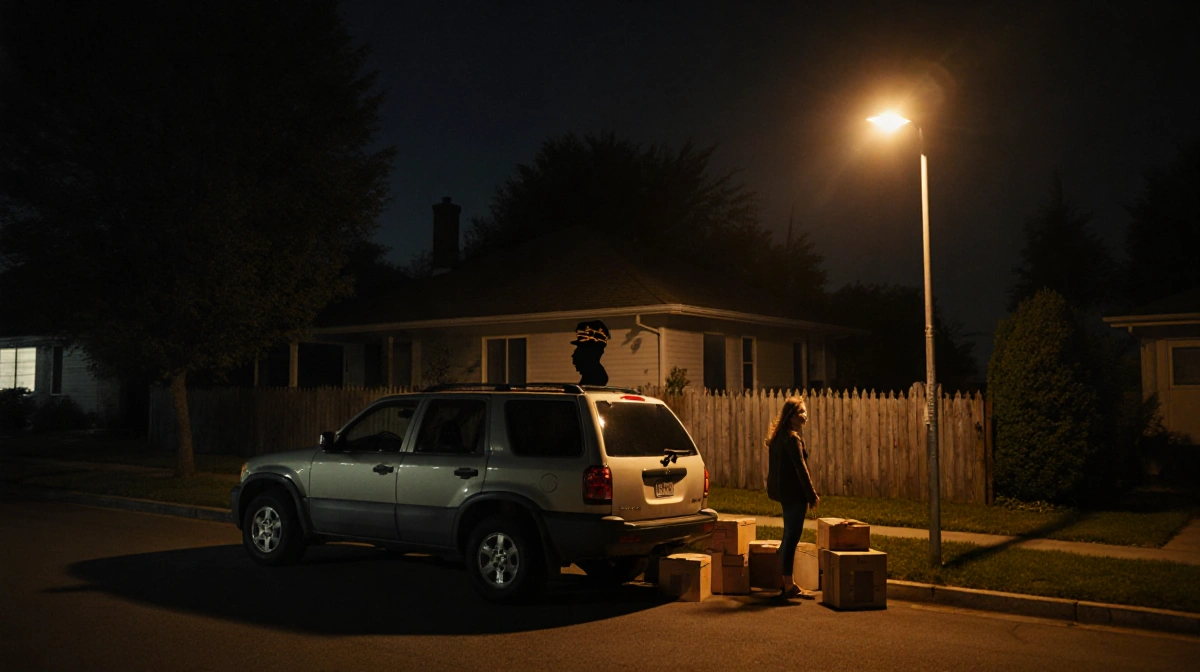
> – Jonathan Ross, the ICE officer who fatally shot Renee Nicole Good during a Minneapolis traffic stop, was seen moving boxes from his suburban home Friday
> – Videos show Good’s SUV was not heading toward Ross when he fired, contradicting claims she tried to run him over
> – Why it matters: The footage fuels public debate over use-of-force rules as the FBI investigates whether the shooting was justified
A quiet cul-de-sac 30 miles south of Minneapolis became an unexpected focal point Friday as Jonathan Ross-the ICE agent who killed Renee Nicole Good on Wednesday-was observed loading boxes into trucks while neighbors expressed shock and fear.
The Shooting: What Videos Show
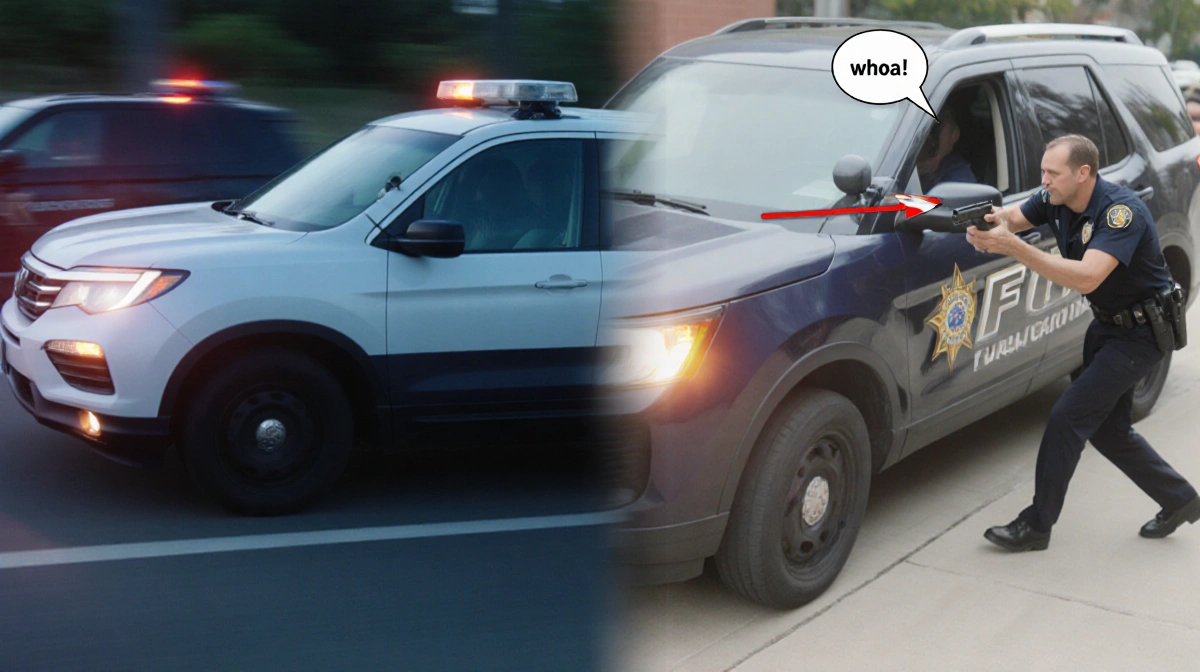
Multiple witness recordings reveal Good’s Honda Pilot attempting to drive around federal vehicles when Ross stepped to the driver-side fender, hollered “whoa,” and fired. At that instant, the SUV’s wheels were angled away from him and his legs were clear of the tires.
Ross discharged a second and third round through the open window as the vehicle rolled forward. Good, struck in the head, lost control, traveled 140 feet, and crashed into a parked car.
- Good was a 37-year-old U.S. citizen and mother
- She had no direct path to strike Ross, according to frame-by-frame review
- President Trump nonetheless labeled her an agitator who “viciously ran over” the agent
A Neighborhood on Edge
By midday Friday, three trucks sat outside Ross’s two-story home while unidentified individuals hustled boxes into them. One neighbor, fearing retribution, said she immediately texted friends after witnessing the activity.
Although Ross has not spoken publicly, the spectacle unsettled residents who until this week did not know their neighbor worked for ICE. Some recalled pro-Trump and Gadsden flags during the election cycle; none were displayed Friday.
- Pizza ordered to the residence went unanswered; the driver left with the pies
- Locals debated weekend getaways to avoid media attention
- A 44-year-old neighbor admitted feeling “shocked” that the shooter lived “around the corner”
Ross’s Career Path
Ross enlisted in the Indiana National Guard in 2004, deploying to Iraq as a machine gunner and earning four medals including the Army Commendation Medal. He joined the U.S. Border Patrol in 2007, focusing on drug-cartel intelligence, before transferring to ICE in 2015 as a deportation officer in Minnesota.
Court testimony shows he also serves on the FBI Joint Terrorism Task Force, instructs firearms courses, and investigates organized-crime and national-security cases.
| Key Career Milestones | Details |
|---|---|
| Military Service | Indiana National Guard, Iraq 2004-05 |
| Border Patrol | Intelligence work, El Paso 2007-15 |
| ICE Role | Deportation officer, Minnesota 2015-present |
| Injury on Duty | Dragged 50 yds, required 33 stitches, June 2024 |
Echoes of an Earlier Confrontation
Ross testified last month that in June 2024 he broke a car window after a driver refused orders, then was dragged at least 50 yards while firing his Taser. The driver, Robert Muñoz-Guatemala, was convicted of assault on a federal officer; Ross needed 33 stitches.
Wednesday’s fatal encounter bore striking similarities: a motorist behind the wheel, a drawn service weapon, and Ross’s decision to shoot.
Key Takeaways
- FBI is leading the criminal investigation into Good’s death
- Department of Homeland Security refuses to confirm Ross’s identity, though it is widely reported
- Ross returned to full duty seven months after his dragging injury
- Neighbors say the street, usually adorned with “let it snow” décor, now feels unsafe and under scrutiny
As investigators review body-cam and bystander footage, the central question remains whether an experienced federal agent had reasonable fear when he fired on a retreating vehicle-and whether that decision aligns with the community’s expectations of accountability.