At a Glance
- 32 people died in ICE custody in 2025.
- Santos Reyes Banegas, a 42-year-old Honduran, died after fewer than 18 hours in custody.
- ICE has not released a full investigative report within the 90-day congressional deadline.
Why it matters: The deaths raise concerns about detainee screening, medical care, and accountability in federal immigration facilities.
Santos Reyes Banegas was detained on September 17, 2025 outside a grocery store in Hempstead, New York, while heading to a construction job. Within 18 hours of arrival at the Nassau County Correctional Center, he was found unresponsive in his cell. ICE preliminary findings cited liver failure complicated by alcoholism as the cause of death, a claim disputed by his sister and his attorney.
Banegas’ Death and the Investigation
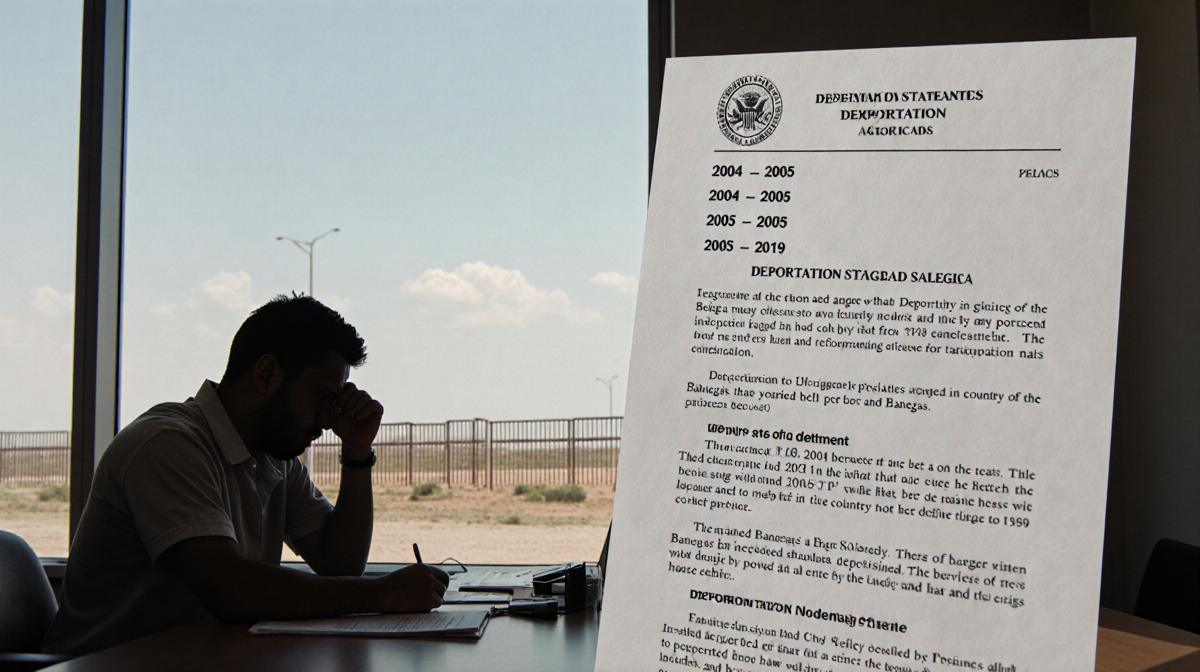
ICE released a news statement that Banegas had a history of alcohol abuse and had entered the U.S. illegally at least four times. The agency said he was deported in 2004, 2005, and 2019 after repeated re-entries.
“We don’t really know what happened until we get the full reporting,” said Oscar Michelen, the attorney representing Banegas’ two daughters. “And even if what they say is true – that he was a drinker who was in the end stage of liver failure – they had obligations to make sure he was fit for confinement.”
Michelen added that Banegas was never medically checked before being locked in the cell. “We’re not saying that they physically assaulted him and beat him to death. We’re saying that they neglected him and he died in their custody,” he explained.
The family has been waiting for ICE to provide the investigative report, but the agency has failed to meet the congressional mandate to deliver the report within 90 days of his death.
2025 ICE Deaths and Context
The Banegas case is part of a broader pattern. At least 32 people died in ICE custody during 2025, making it the agency’s deadliest year in two decades. Human rights groups, immigration lawyers, and lawmakers have raised allegations of overcrowding, rotten food, and poor medical care in ICE facilities across the country.
ICE counters these claims by stating that detainees receive medical, dental, and mental health screening and that emergency care is available around the clock at every facility. “ICE remains committed to ensuring that all those in its custody reside in safe, secure, and humane environments,” the agency said in its release about Banegas.
Recent Minneapolis Shootings
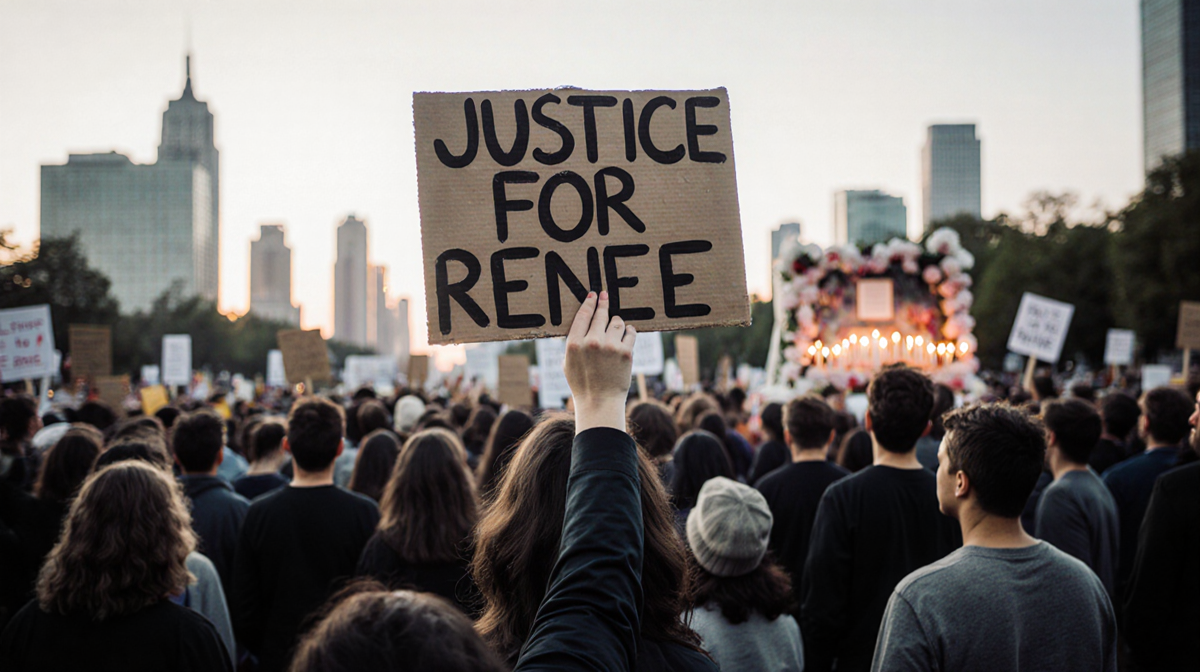
The attention to ICE deaths intensified after two separate shootings in Minneapolis. On January 7, 2026, an agent fatally shot Renee Good, a 37-year-old resident, during an enforcement action. Two weeks later, on January 24, 2026, agents shot and killed Alex Pretti, a 37-year-old ICU nurse. These incidents sparked national outrage and added urgency to the scrutiny of ICE’s handling of detainees.
Family and Legal Response
Banegas’ sister, who chose not to be named for fear of repercussions, maintains that he was not a heavy drinker and did not show signs of liver failure. She and her daughter are pressing ICE for a thorough investigation.
The family’s lawyer, Oscar Michelen, emphasized that even if the preliminary cause of death is accurate, ICE still had a duty to ensure Banegas was medically fit for confinement. “We don’t know what happened until we get the full reporting,” he reiterated.
ICE’s Statements and Allegations
ICE’s official statements assert that no detainee is denied emergent care and that comprehensive medical care is provided from arrival onward. However, human rights advocates continue to challenge the agency’s claims, citing documented cases of inadequate nutrition, overcrowding, and delayed medical treatment.
The agency has yet to respond to the broader allegations beyond the Banegas case. The lack of a timely investigative report fuels skepticism about ICE’s transparency and accountability.
Key Takeaways
- 32 deaths in ICE custody in 2025 highlight systemic issues.
- Banegas died after <18 hours in custody; his family contests the cause of death.
- ICE has not met the 90-day deadline for a full report.
- Recent Minneapolis shootings have amplified scrutiny of ICE’s practices.
- Human rights groups accuse ICE of overcrowding, poor food, and inadequate medical care.
- ICE maintains that it provides comprehensive care and emergency services.
The situation underscores the need for independent oversight and rigorous medical screening for detainees to prevent future deaths.