In September 2025 Apple launched its latest family of phones – the iPhone 17, iPhone 17 Pro, iPhone 17 Pro Max, the new iPhone Air, and the budget-friendly iPhone 16 E. The lineup keeps the familiar design language while adding a few notable upgrades, most of which are already available on the older iPhone 16. For buyers in 2026, deciding which model offers the best value depends on screen size, camera performance, battery life, and price. Below we break down the key differences, highlight what you’ll actually get in everyday use, and offer tips for snagging the best deal.
The iPhone 17 Family at a Glance
| Feature | iPhone 17 | iPhone Air | iPhone 17 Pro | iPhone 17 Pro Max | iPhone 16 E | iPhone 16 |
|---|---|---|---|---|---|---|
| Display | 6.3-inch OLED, 2 622×1 206 px, 1-120 Hz | 6.5-inch OLED, 2 736×1 260 px, 1-120 Hz | 6.3-inch OLED, 2 622×1 206 px, 1-120 Hz | 6.9-inch OLED, 2 868×1 320 px, 1-120 Hz | 6.1-inch OLED, 2 532×1 170 px, 60 Hz | 6.1-inch OLED, 2 556×1 179 px, 60 Hz |
| Processor | A19 | A19 Pro | A19 Pro | A19 Pro | A18 | A18 |
| Camera | 48 MP wide + 48 MP ultra-wide + 18 MP front | 48 MP wide + 48 MP ultra-wide + 18 MP front | 48 MP wide + 48 MP ultra-wide + 18 MP front | 48 MP wide + 48 MP ultra-wide + 18 MP front | 48 MP wide + 12 MP ultra-wide + 12 MP front | 48 MP wide + 12 MP ultra-wide + 12 MP front |
| Battery | Up to 30 h video playback | Up to 27 h video playback | Up to 40 h video playback | Up to 35 h video playback (streamed) | Up to 26 h video playback | Up to 22 h video playback |
| Charging | 40 W wired (50 % in 20 min) | 20 W wired (50 % in 30 min) | 30 W wired (50 % in 30 min) | 40 W wired (50 % in 20 min) | 20 W wired | 20 W wired |
| Special Features | Action button, Dynamic Island, Apple Intelligence, 1-3 000 nits brightness | Action button, Dynamic Island, Apple Intelligence, 1-3 000 nits brightness | ProRes Raw, Genlock, 1-3 000 nits brightness | ProRes Raw, Genlock, 1-3 000 nits brightness | No Action button, 2-0 000 nits brightness | No Action button, 2-0 000 nits brightness |
| Price (US) | $829 (256 GB) | $999 (256 GB) | $1 099 (256 GB) | $1 199 (256 GB) | $599 (128 GB) | $829 (128 GB) |
All models ship with IP68 water-resistance, a new Ceramic Shield 2 glass, and support for the latest iOS 26.
What Changed in 2025?
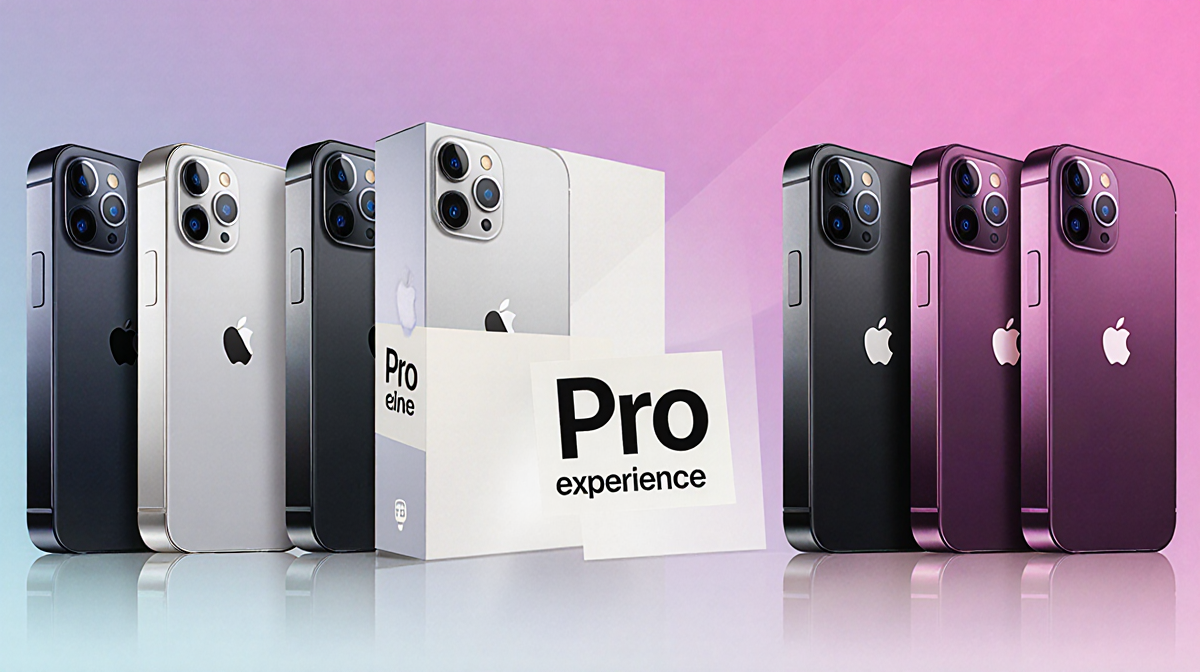
Apple’s main strategy this year was to bring the “Pro” experience to the base model while keeping the old Pro line available for a few more years. The new iPhone 17 family offers:
- Adaptive-refresh displays that run from 1 Hz to 120 Hz, giving smooth scrolling without draining the battery.
- All-new cameras: the wide sensor stayed at 48 MP, but the ultra-wide sensor received a higher-resolution sensor in the iPhone Air, and the Pro models added a 4×/8× telephoto lens that rivals a DSLR in low light.
- Apple Intelligence: a machine-learning engine that powers new visual and audio features, such as the “Camera Control” button and “Visual Intelligence” shortcuts.
- iOS 26: the newest OS brings a “Liquid Glass” interface that feels slick but sacrifices some of the warmth of previous iOS versions. New animations, hold-assist for calls, and background images for group chats are highlights.
The iPhone 16 line, released the previous year, still competes strongly. It carries the A18 chip, 48 MP cameras, and a 60 Hz screen. For most users, the 16 offers nearly all the Pro features for a lower price, and it remains fully supported by iOS 26.
Buying Tips for 2026
- Hold the phone first – The tactile feel can be decisive. The Pro models are heavier (up to 233 g) but offer larger screens and better cameras; the Air and 16 are lighter and more pocket-friendly.
- Don’t discount last year’s model – Apple keeps older models in stock for a few months after launch. The iPhone 16 can be a great bargain if you don’t need the newest processor.
- Case and screen protector – The Ceramic Shield 2 is tough, but a case protects against costly drops and keeps resale value high.
- Know what matters most – If you’re a photographer, the Pro models’ 4K ProRes Raw and 8× telephoto are worth the extra $200-$400. If battery life is your priority, the Pro Max’s 40 h video playback will outshine the base line.
- Seek holiday discounts – After the September launch, early September to early October usually sees the best trade-in deals and price drops.
## Which Model Should You Pick?
| Scenario | Best Choice | Why |
|---|---|---|
| Budget-conscious but still want a full iPhone experience | iPhone 16 or iPhone 16 E | Same camera and battery as Pro, but $300-$500 cheaper |
| Need the absolute best camera | iPhone 17 Pro Max | 4×/8× telephoto, ProRes Raw, Genlock, 35 h video playback |
| Prefer a lightweight phone | iPhone 17 or iPhone Air | 165 g and 177 g, 6.3-inch OLED, 1-120 Hz |
| Want the latest features but can wait | iPhone 18 (expected February 2027) | Rumored to bring a foldable design and new chip |
Future Outlook
Apple is expected to launch the next generation in February 2027, with the iPhone 18 base model and a foldable variant. Until then, the iPhone 17 family remains the most advanced and affordable option. The combination of iOS 26’s seven-year support, IP68 water resistance, and the Ceramic Shield 2 makes any of these devices a reliable choice for the next several years.
If you’re a longtime iPhone user, the iPhone 16 line is still a solid upgrade. If you’re looking for the newest camera tech, the Pro line is worth the extra cost. And for those who want a lighter phone without sacrificing performance, the iPhone 17 or iPhone Air are the best picks.