At a Glance
- Women’s Christmas on Jan 6 aligns with the Epiphany and the 12th day of Christmas.
- Originated from 19th-century gender roles, now reclaimed by modern Irish women.
- The holiday sparks conversations about rest, invisible labor, and female community.
- Why it matters: It offers a space for women to rest and celebrate their contributions after the holiday frenzy.
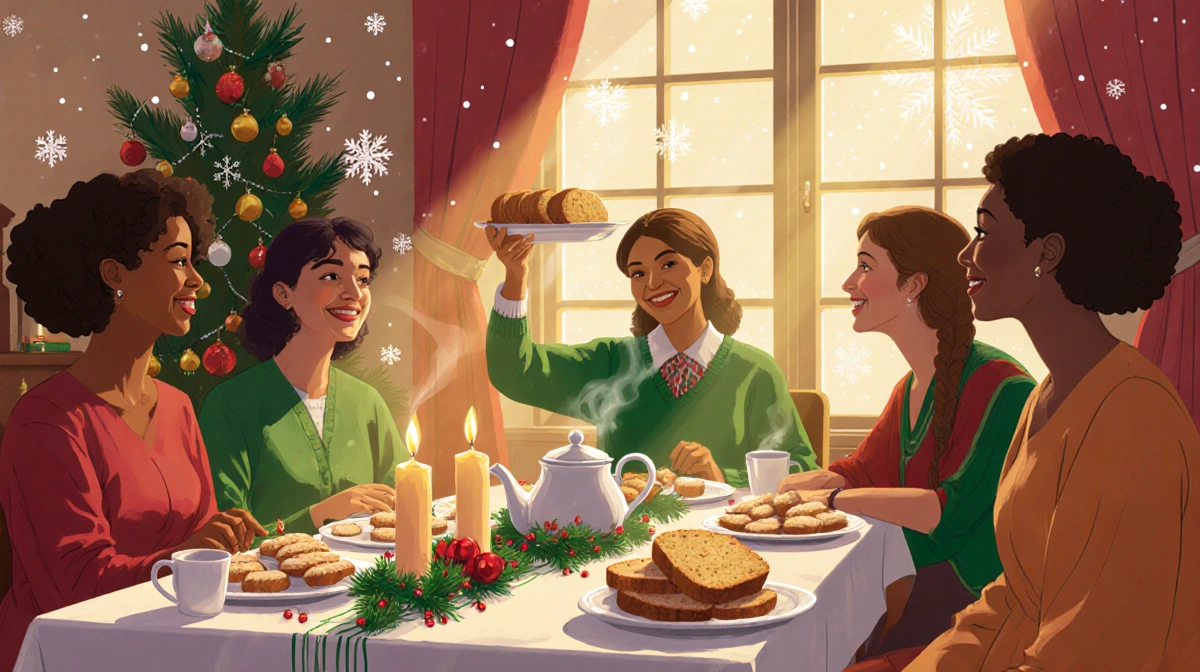
The mental load of the holidays can feel overwhelming, often resting on women’s backs. Ireland has a solution: “Nollaig na mBan”, meaning Women’s Christmas, which occurs on Jan 6 to coincide with the Feast of the Epiphany and the day Irish people take down their trees.
The Roots of Nollaig na mBan
The holiday’s name means “Women’s Christmas” and dates to the 12th day of Christmas. Irish history communicator Jane Casey tells TODAY.com that the holiday has “misogynistic” roots, as it stems from conventional gender roles.
Jane Casey stated:
> “The holiday has misogynistic roots, as it stems from conventional gender roles.”
In the 19th century, women would take the 6th of January off to rest, meet friends, and visit pubs-an unusual privilege for women at the time.
Reclaiming the Day
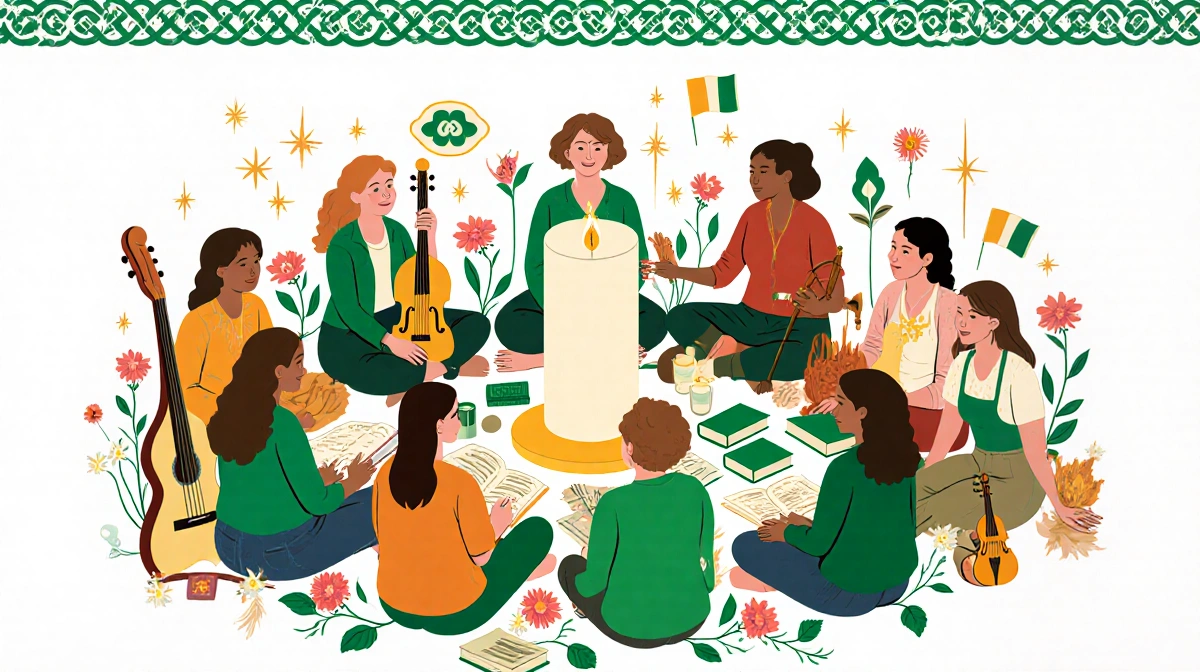
Modern Irish women are giving new meaning to the holiday. They are celebrating women’s contributions to culture, art, politics, everyday life, female friendship, connection, and community.
Jane Casey added:
> “Leaving behind traditions tied to outdated gender roles, younger generations have reclaimed the day as more of a way to celebrate women’s contributions to Irish culture, art, politics and everyday life, as well as female friendship, connection and community.”
Community and Personal Call
Author Hadas Knox posted an Instagram reel about Nollaig na mBan, and the comments revealed shared feelings. Knox told TODAY.com:
Hadas Knox stated:
> “What struck me most was how quickly it sparked deeper questions about rest, invisible labor and how much trust we place in one another at home.”
She reposted the reel to her story, inviting women-especially moms-to join the celebration. Responses were immediate:
- “I’m IN!”
- “Let’s goooo!”
- “Where shall we meet for our day?”
- “Another reason to be proud of my Irish ancestry!”
This year Nollaig na mBan falls on a busy Tuesday, so her personal celebration will occur around work, doctor visits, and shuttling kids after school. It might be as simple as taking a moment to rest, reset, and resolve to offload more of the mental load next year.
Key Takeaways
- Women’s Christmas shifts focus from holiday fatigue to rest and community.
- Modern Irish women reclaim the day to honor women’s cultural, artistic, and political contributions.
- The holiday fosters dialogue about invisible labor and trust within families.
The celebration invites everyone to raise a glass to the wise men who may have started this tradition and the wise women who deserve its continuation.