> At a Glance
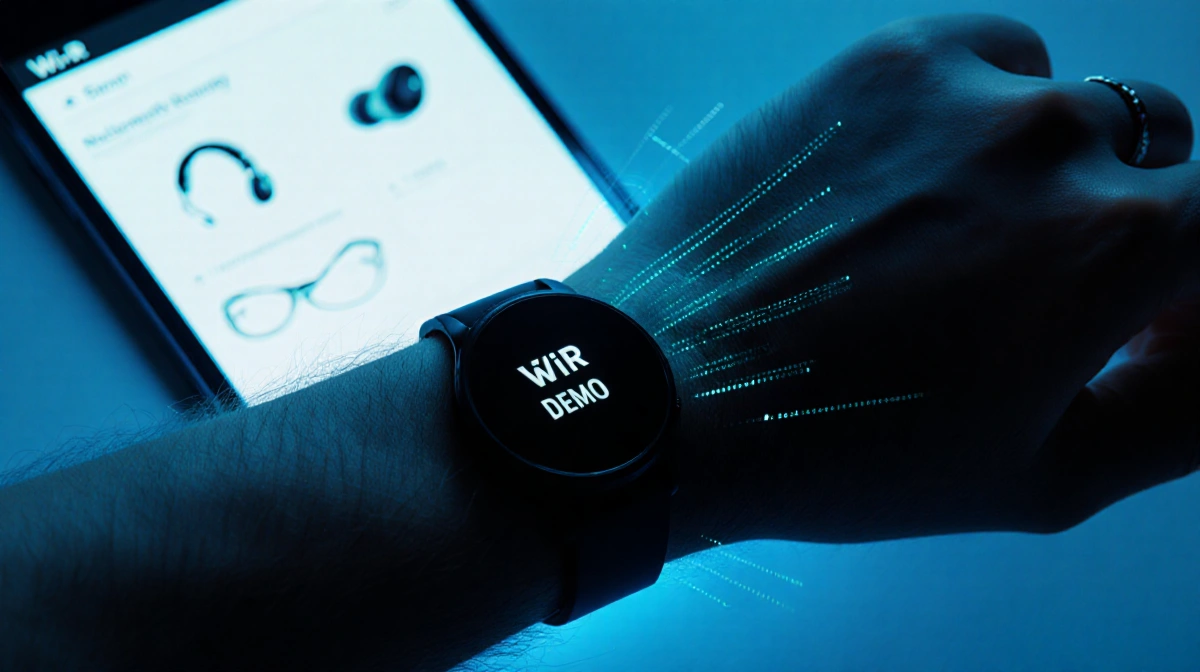
> – Indiana startup Ixana demos Wi-R, a body-only wireless protocol that moves up to 20 Mbps between wearables
> – Connection drops 5 cm from skin, auto-reconnects when back in range
> – Why it matters: Your glasses, watch, ring and earbuds could finally talk to each other without Bluetooth drop-outs
A quick demo in a Las Vegas hotel room left Jonathan P. Miller wondering if the patchy links between today’s smart glasses, rings and earbuds are about to disappear.
How Wi-R Works
Wi-R is a short-range, low-latency protocol that keeps data on the user’s body instead of broadcasting through the air. It needs a new Ixana chipset, but once embedded it forms a personal network that can shuttle sensor data, music or sensor streams at up to 20 Mbps.
Key numbers from the CES 2026 demo:
- Range: 5 cm through clothing or heavy jackets
- Latency: < 1 ms
- Power draw: claimed to be far below Wi-Fi or Bluetooth
- Streaming time on smart glasses: up to 8 hours
What the Demo Showed
Jonathan P. Miller wore prototype Wi-R earbuds and a music pendant; audio cut the instant the buds moved beyond arm’s length, then resumed when they came back. A second test linked five wearables-dual wristbands, pendant, glasses and earbuds-sharing a combined 5 Mbps.
Ixana founder Shreyas Sen and VP Bob Twomey also showed:
- A fist-bump data swap between two wristbands
- A private AirDrop-style transfer that only worked when phones nearly touched
- Military-grade units that already operate through uniforms
Security Angle
Because the signal hugs the body and doesn’t radiate outward, Ixana positions Wi-R as a more secure channel-an argument that helped the company win US Air Force and Army contracts.
Roadblocks Ahead
Wi-R is not yet an industry standard, so wide adoption depends on:
- Big-name device makers adding the chipset
- App developers rewriting code for a new protocol
- Consumers accepting a body-tethered network
Ixana says it is already “in talks with all the major tech companies,” though no product timelines were given.
| Metric | Wi-R | Typical Bluetooth |
|---|---|---|
| Range | 5 cm | ~10 m |
| Latency | < 1 ms | 20-40 ms |
| Max throughput | 20 Mbps | 2 Mbps (LE Audio) |
| Power efficiency | High (8 h stream) | Moderate (2-3 h) |
Key Takeaways
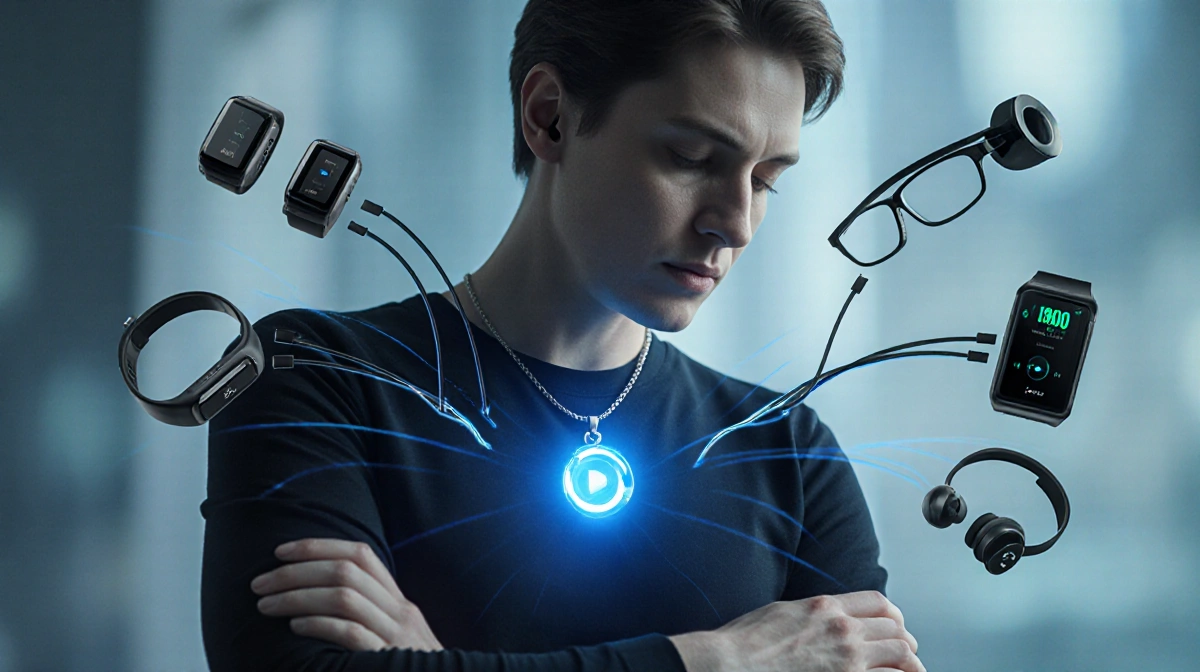
- Wi-R creates a personal, body-only network with 20 Mbps shared between wearables
- It promises sub-millisecond latency and enough power savings for all-day smart-glasses streaming
- Security comes from the signal staying on the body, attractive to both consumers and the military
- Adoption hinges on manufacturers adding yet another wireless protocol
If the tech lives up to the demo, your next pair of smart glasses might finally keep streaming without killing the battery-or losing sync with the rest of your gear.