At a Glance
- The Yousefs renovated a 7,000-square-foot Kansas City mansion for $400K.
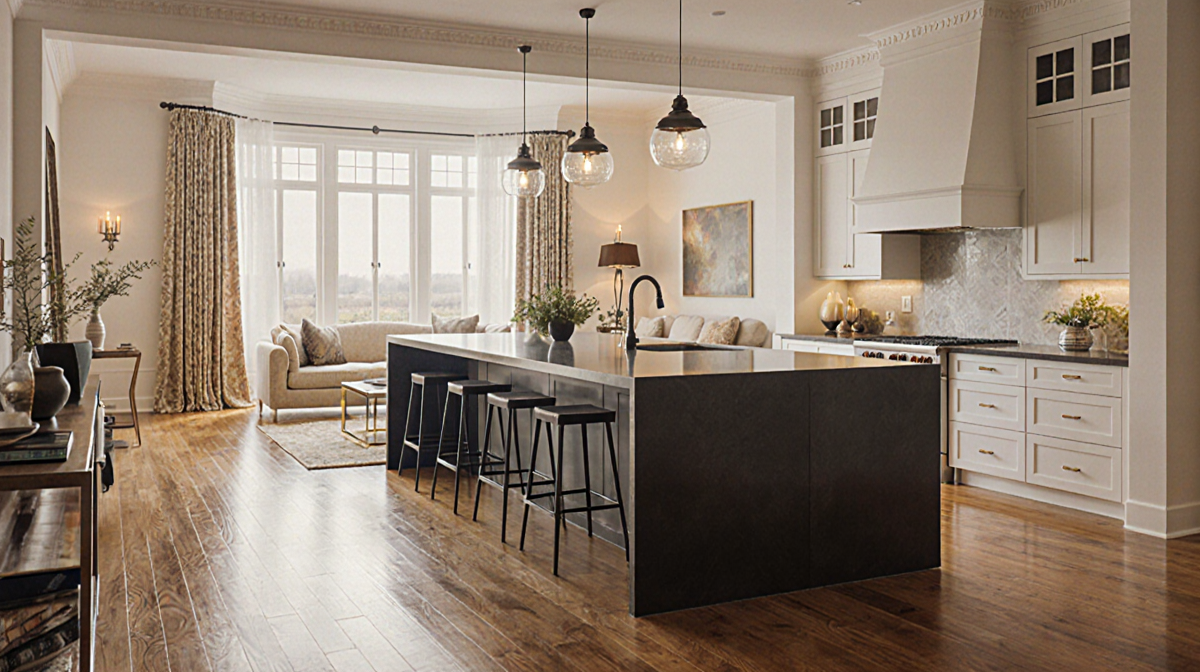
- A bold 10-foot kitchen island and strategic staging helped the home sell above market.
- They now offer a course to teach others how to flip historic homes.
- Why it matters: Their approach shows that historic properties can be profitable without a huge budget.
The Yousefs’ latest project-a 1910s-era Kansas City mansion-demonstrates that historic renovations can be both lucrative and accessible. After buying the property days before the birth of their first child, Johnny and Abby Yousef poured $400K into a blend of modern updates and preserved charm, and the home sold quickly and above expectations.
From Birth to Bricks
The couple purchased the 7,000-square-foot house just days before their son was born. Johnny, 39, said, “I tend to do big stuff when there’s a big life event. Right as he was born, we bought our new house.” The mansion, once a guesthouse for a local art museum founder, was a shell of potential. Johnny recalled, “When I drove by it, it just looked rough, but I loved the bones and the potential.” Abby, 30, brought her interior-design expertise to keep the historic character intact.
Key Restoration Steps
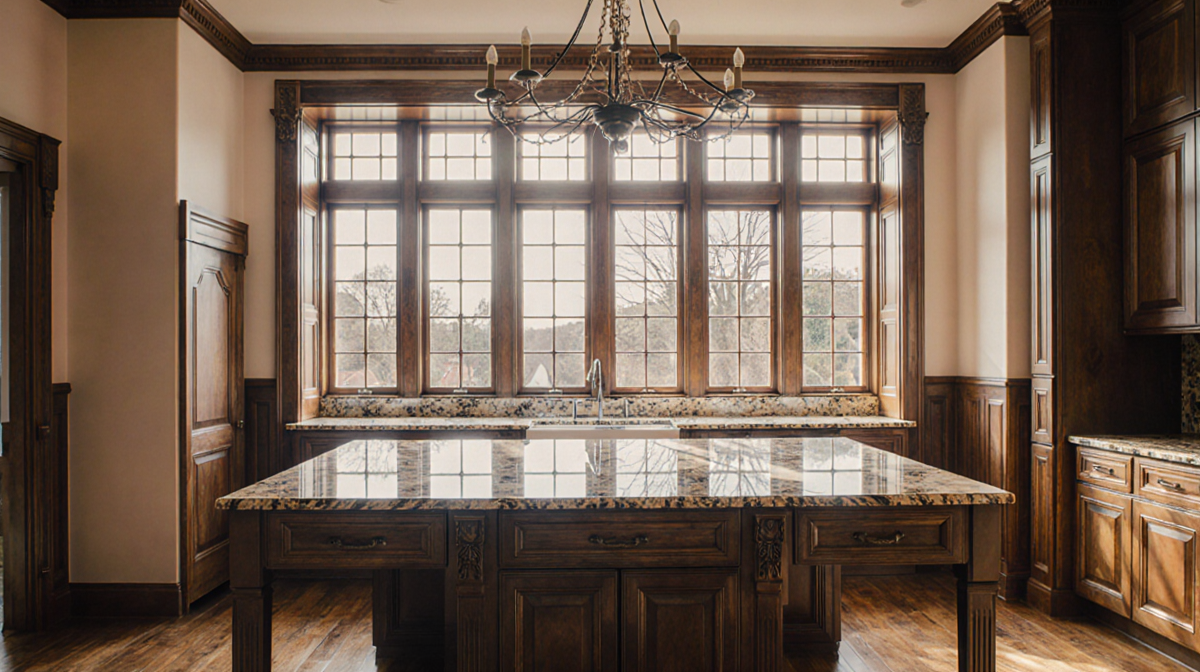
- 27 original windows were repaired instead of replaced to preserve authenticity.
- Architectural details were restored, and a grand kitchen was added.
- A 10-foot kitchen island became the centerpiece.
Abby explained, “We definitely let the house and the design that was already in the house guide the direction in which we went.” Johnny admitted he initially balked at the oversized island, but he trusted Abby’s vision.
Staging That Sold
Design alone wasn’t enough. Johnny noted, “Design is one thing, but staging is what sells a house. We invested in quality furniture so buyers could envision living there, not just seeing it.” Buyers were so impressed that they inquired about purchasing some staged pieces.
Staging Highlights
- High-quality furniture pieces.
- Neutral color palette to appeal broadly.
- Functional layout that showcased the 10-foot island.
Overcoming Historic Challenges
Renovating a historic property brought its own hurdles. The Yousefs faced multiple break-ins, vandalism, and storm damage. Abby said, “It’s important to anticipate challenges and not get discouraged. Every problem is a learning opportunity.” Johnny added, “Because it’s historic, we had to repair the windows instead of replacing them. It was expensive, but worth it to preserve the character of the home.”
Lessons from a $20,000 Townhouse
Johnny’s first flip was a $20,000 townhouse. He reflected, “Start small, learn as you go and take calculated risks. You don’t need a degree or a massive budget.” This philosophy guided the mansion renovation.
Key Takeaways for Flippers
- Start with a manageable project.
- Focus on structural integrity before aesthetic upgrades.
- Leverage historic features to add value.
Sharing the Knowledge
Inspired by their journey, Johnny created a course to help others navigate renovations, flips, and short-term rentals. “A lot of people think that we have to have degrees in design… or that we have money,” he said. “No. It’s very doable.”
Course Highlights
| Module | Focus |
|---|---|
| 1 | Identifying historic potential |
| 2 | Budgeting for authenticity |
| 3 | Strategic staging |
| 4 | Managing unexpected challenges |
| 5 | Marketing to lifestyle buyers |
The Yousefs’ story proves that with careful planning, respect for historic detail, and bold design choices, a historic home can be transformed into a profitable asset.
Key Takeaways
- A $400K renovation of a 7,000-square-foot mansion can sell above market with the right staging.
- Preserving original windows and architectural details adds value.
- A bold 10-foot kitchen island can become a selling point.
- Historic flips are feasible even with limited budgets.
- Sharing expertise through courses helps others replicate success.