At a Glance
- Judge Fernando M. Olgin dismissed an indictment after a federal agent shot a TikTok creator in Los Angeles.
- A separate federal agent shot Ricardo Parias during a “targeted enforcement traffic stop.”
- The dismissal cited lack of counsel access and failure to release body-camera footage.
Why it matters: The case underscores procedural lapses in federal investigations and the ongoing scrutiny of law-enforcement shootings.
A federal judge’s decision to dismiss an indictment over a shooting incident in South Los Angeles has drawn attention to procedural shortcomings in federal law enforcement. The same day, another shooting involving Ricardo Parias during a traffic stop added to the controversy.
Judge’s Decision
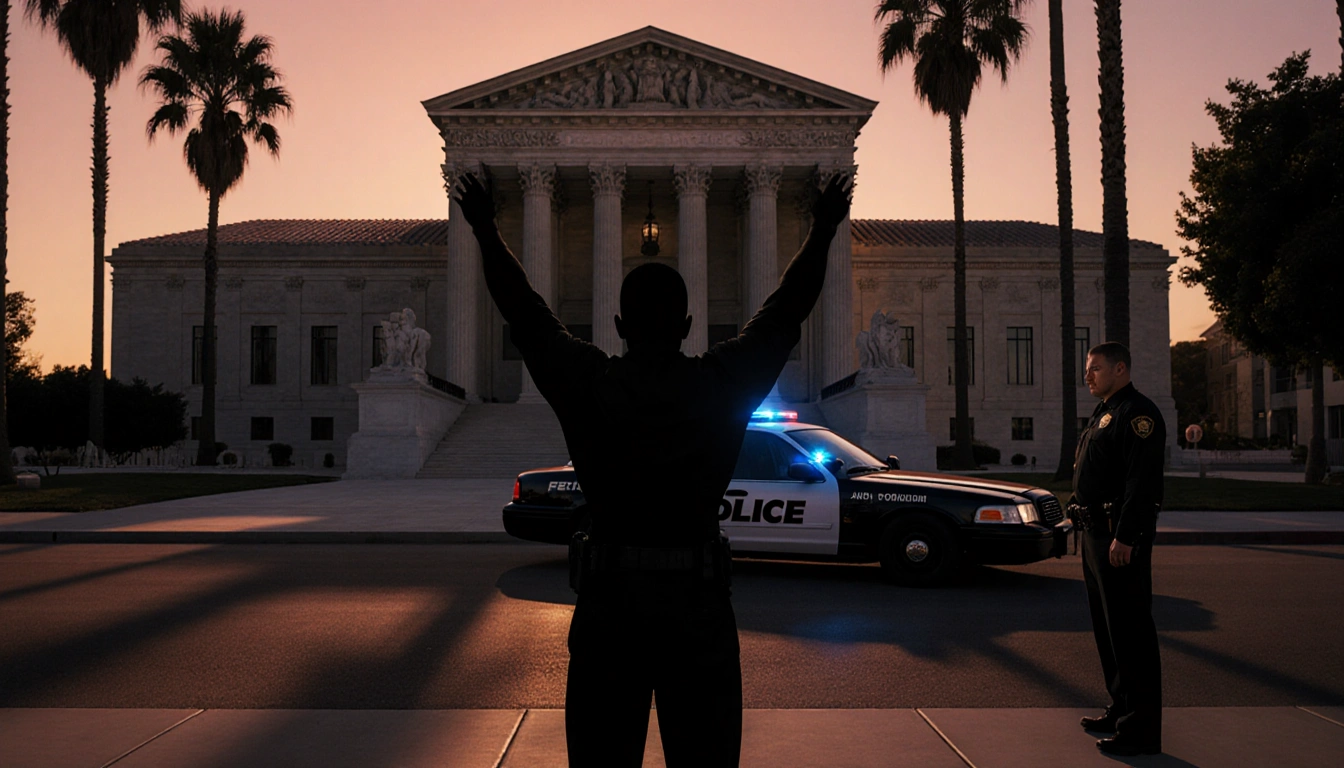
U.S. District Judge Fernando M. Olgin ruled that the indictment against the TikTok creator was invalid because the defendant was deprived of counsel while detained and the government failed to meet court deadlines, including the release of body-camera footage.
- No access to counsel during detention.
- Failure to release required body-camera footage.
- Indictment dismissed.
Shooting Incident
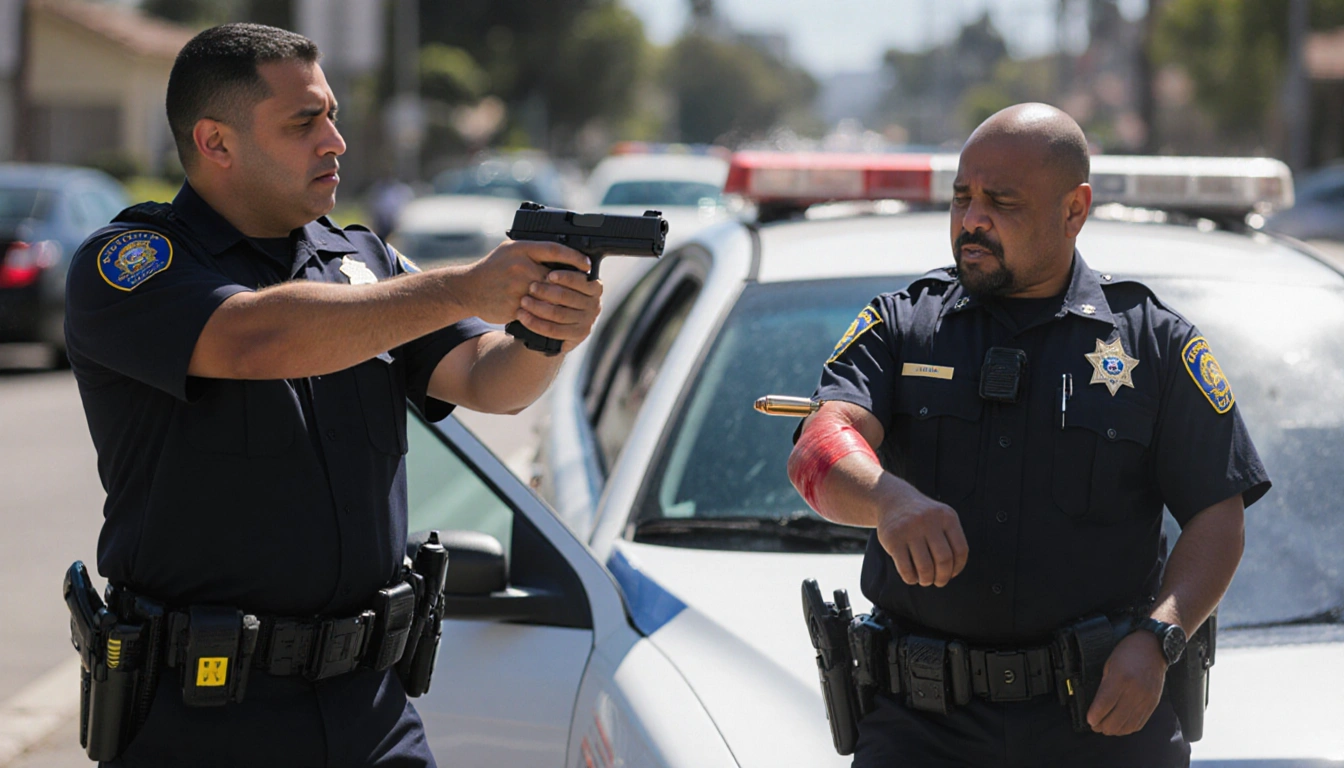
Ricardo Parias, known online as Richard LA, was shot in the elbow when a federal agent fired a weapon during a traffic stop. A ricochet bullet struck a deputy U.S. Marshal in the head.
- Parias drove back and forth, hitting law-enforcement cars.
- He was attempting to escape an immigration arrest.
- Federal agents arrested him after the confrontation.
| Incident | Date | People Involved | Outcome |
|---|---|---|---|
| TikTok creator shooting | October | Federal agent, TikTok creator | Indictment dismissed |
| Ricardo Parias shooting | October | Federal agent, Deputy U.S. Marshal, Ricardo Parias | Parias arrested, deputy injured |
The two incidents, both occurring in October, highlight the tensions between federal enforcement operations and procedural safeguards.
Key Takeaways
- Judge dismissed indictment due to procedural failures.
- Ricardo Parias was shot during a traffic stop and later arrested.
- The incidents raise questions about transparency and accountability in federal law-enforcement.
The dismissal and the subsequent shooting underscore the need for transparent procedures in federal law-enforcement encounters.