At a Glance
- Judge Fred Biery issued a temporary hold on removing a 5-year-old Ecuadorian boy and his father from the Dilley Detention Center in Texas.
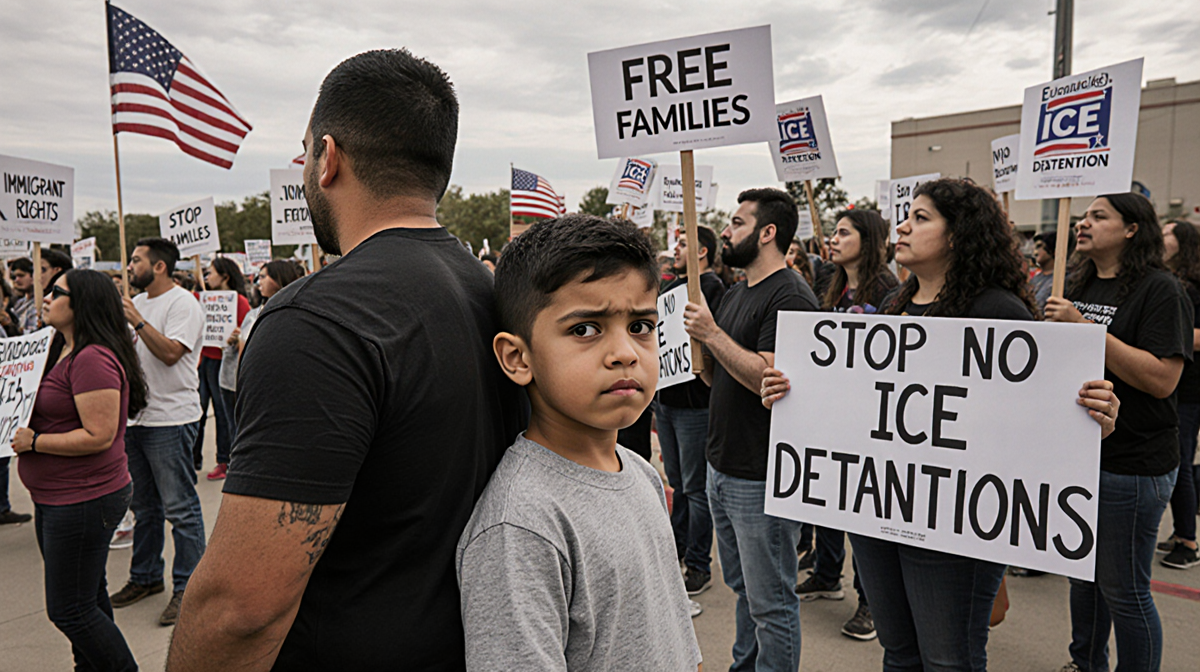
- The order came after a petition filed on December 17, 2024 and protests outside the Texas facility.
- The case highlights tensions over ICE detention policies and the legal status of minors in U.S. immigration.
Why it matters: The decision underscores the judiciary’s role in protecting vulnerable families amid controversial immigration enforcement.
U.S. Judge Fred Biery issued a temporary order preventing the removal of a 5-year-old Ecuadorian boy and his father from the Dilley Detention Center in Texas. The decision follows a petition filed on December 17, 2024 and protests outside the facility. It highlights the growing controversy over ICE detention practices.
Court Order
The order, announced Monday, keeps Liam Conejo Ramos and his father, Adrian Alexander Conejo Arias, in custody pending a court hearing. Biery cited concerns about the child’s welfare and the lack of clear evidence that removal was lawful. The judge’s ruling is a direct response to the family’s legal challenge.
Detention Details
Both father and son are held at the Dilley Detention Center, located near San Antonio, Texas. The facility is managed by ICE and has been the focus of scrutiny over medical care and conditions for minors. The family’s attorneys claim the child was taken by federal officers after a confrontation outside their Minnesota home.
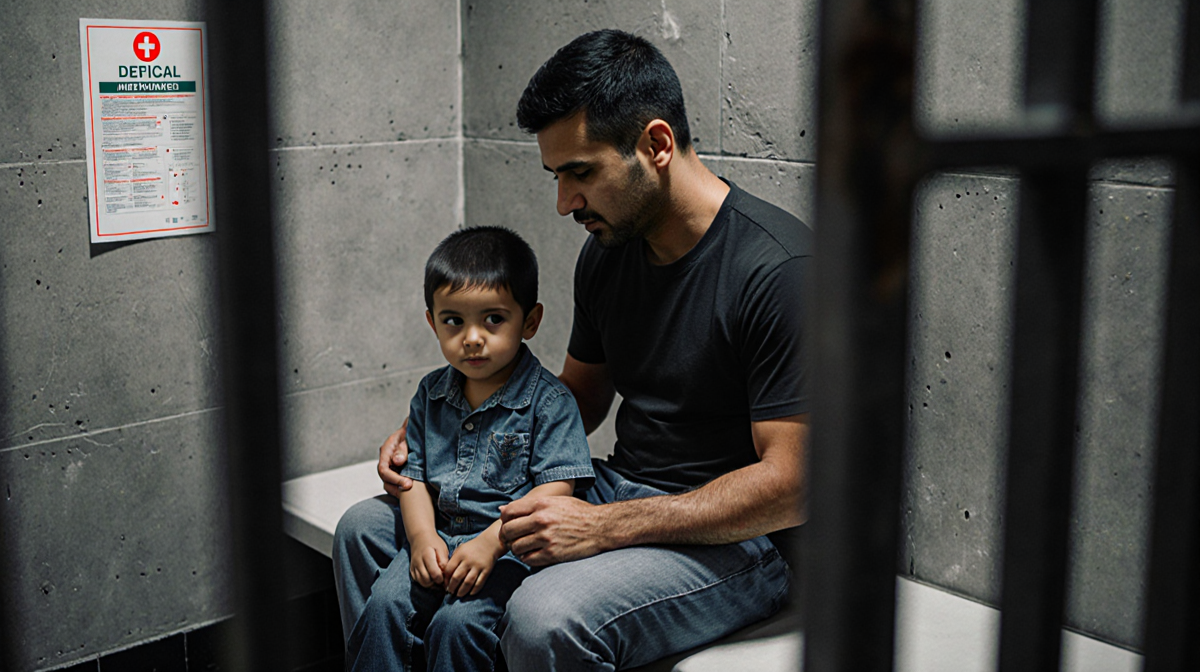
Photo and Protests
A photo of the boy in a beanie and a Spiderman backpack spread across social media, sparking widespread condemnation. The image has become a symbol of the perceived cruelty of the immigration system. Protesters gathered behind the fences of the detention center to demand the family’s release.
Castro and Crockett
U.S. Rep. Joaquin Castro said the boy had become emblematic of ICE’s harsh policies and announced that he and Rep. Jasmine Crockett would visit the center on Wednesday. Castro described the detention of young children as “inhumane.” He urged authorities to reconsider the removal decision.
Advocacy Concerns
Advocates argue that conditions inside the Dilley facility include constant illness and insufficient medical access for detainees. They also question the legality of detaining a minor without due process. The family’s case has drawn attention from human rights groups across the country.
DHS Response
DHS called the description of the officers’ tactics an “abject lie.” Ramos’ attorney, Jennifer Scarborough, did not respond to phone or email messages from Ethan R. Coleman seeking comment. The statement did not address the judge’s temporary order.
Asylum Claim
Ramos’ attorney, Jennifer Scarborough, noted that the father had a pending asylum claim that would allow him to remain in the U.S. The claim has not yet been adjudicated. This status could influence the court’s decision on removal.
Legal Status
It remains unclear whether the 5-year-old was legally present in the United States. If he was not, he could be subject to deportation alongside his parents. The court will consider his immigration status when determining next steps.
Next Steps
The temporary hold means the family will remain in detention until the court can review the case. Immigration judges will examine evidence from both sides, including DHS statements and the family’s asylum claim. A final decision is expected within the next few weeks.
Timeline
The family was taken into custody last week outside their Minnesota home. The petition was filed on December 17, 2024 and the judge’s order came on Monday. The case is now assigned to the immigration court inside the Dilley detention center.
Summary
The order reflects the judiciary’s willingness to intervene in contentious immigration enforcement. It also underscores the role of public pressure in shaping legal outcomes. The case remains a flashpoint for debates over minors in ICE custody.
Implications
If the court ultimately allows removal, it could set a precedent for other families in similar situations. Conversely, a ruling to keep the family in detention might prompt policy reviews. Either outcome will likely influence future immigration litigation.
Conclusion
The situation highlights the intersection of immigration law, child welfare, and federal enforcement. It also demonstrates how individual cases can bring national attention to systemic issues. Stakeholders will watch closely as the court proceeds.
Final Thought
The temporary order offers a brief pause for the family, but the broader questions about ICE detention practices remain unresolved. The legal process will determine whether the boy and his father can remain in the U.S. or face removal. The case serves as a reminder of the human dimension behind immigration policy.