At a Glance
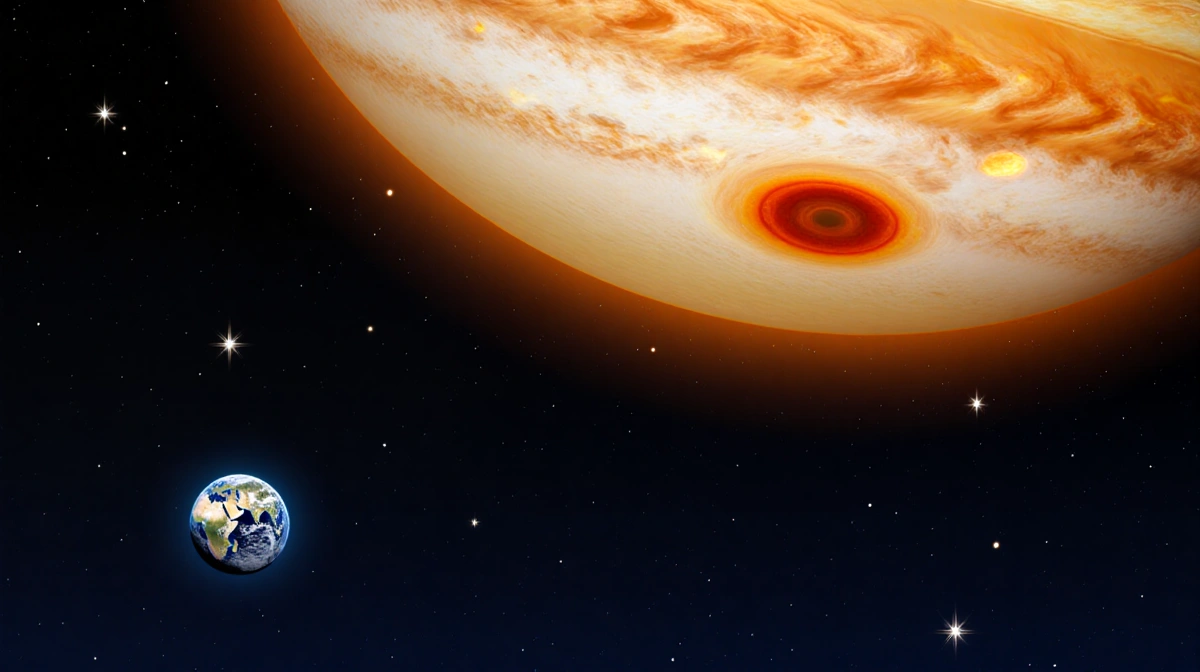
- Jupiter reaches opposition at 3:34 a.m. ET on Jan. 9
- Planet will be closest to Earth all year, outshining everything except the moon
- Next chance won’t come until early 2027
- Why it matters: A rare, no-cost sky show visible from any backyard
January’s sky parade rolls on. After a supermoon, meteor shower and aurora, Jupiter takes center stage in the biggest planetary performance of 2026.
What Is Opposition?
Opposition happens when Earth slips directly between the sun and an outer planet. Tonight’s lineup shrinks the distance to Jupiter, making it blaze brighter than any star.
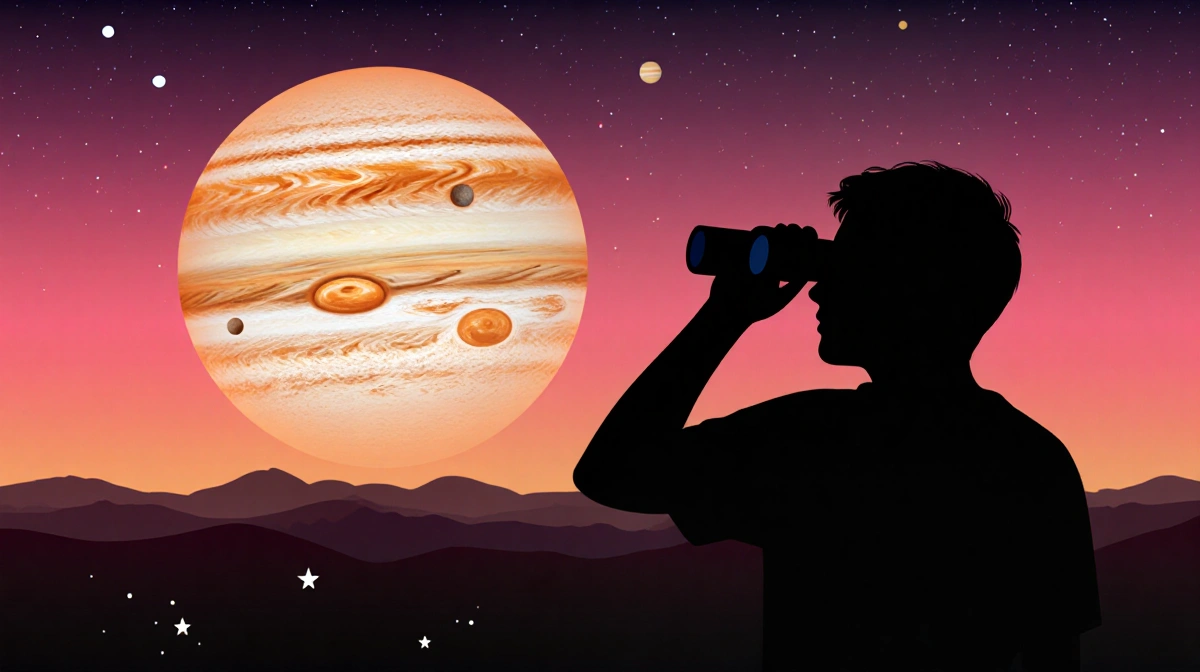
The window begins at sunset and closes at sunrise, giving observers a full-night pass. Urban stargazers can spot it without gear; darker skies only sweeten the view.
How to Watch
- Naked eye: look east at dusk for the brightest “star”
- Binoculars (10×50 or stronger): may reveal four Galilean moons
- Telescope: even a small scope shows Jupiter’s tan stripes and moon dance
| Tool | What You’ll See |
|---|---|
| Eyes | Bright white pinpoint |
| Binoculars | Tiny disc with up to four star-like moons |
| 4-inch scope | Belts, Red Spot (timing dependent) |
Clouded out? Jupiter stays prominent for the next two weeks, so any clear night works.
Key Takeaways
- Opposition occurs roughly every 13 months-miss tonight and you wait until 2027
- The planet rises in the east at sunset, arcs across the south, sets west at sunrise
- Free phone apps like Stellarium or Time and Date can guide you to the spot in seconds
Dress warm, step outside, and look up-tonight Jupiter puts on its closest show of the year.