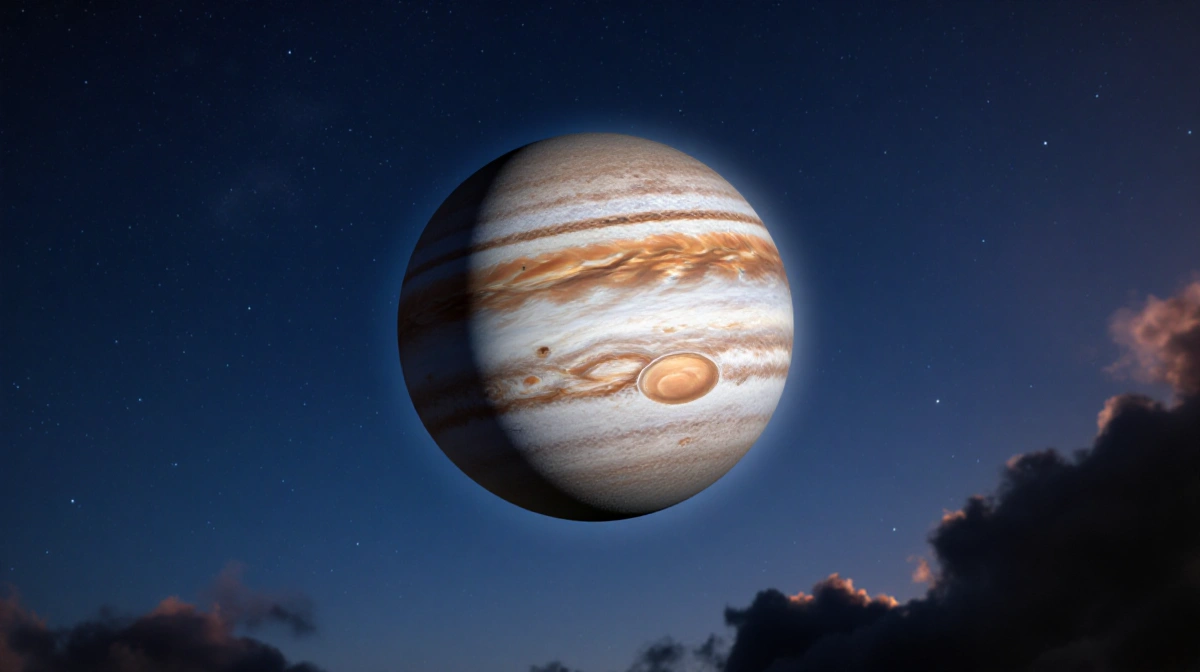
> At a Glance
> – Jupiter hits opposition on Jan 10, its brightest night of 2026
> – Glows at magnitude -2.7, outshining every star
> – Visible worldwide in Gemini from dusk to dawn
> – Why it matters: No gear needed-step outside and see the biggest planet at its biggest
A cosmic spotlight flips on this weekend. On January 10, Jupiter lines up opposite the Sun, putting on its largest, brightest show of the entire year.
What Opposition Means
Earth slides directly between Jupiter and the Sun. The alignment places the gas giant opposite our star in the sky, so it rises at sunset, arcs overhead all night, and sets at sunrise.
During opposition Jupiter appears closest, biggest and most brilliant-exactly what sky-watchers will get for several nights centered on Jan 10.
How Bright Will It Be?
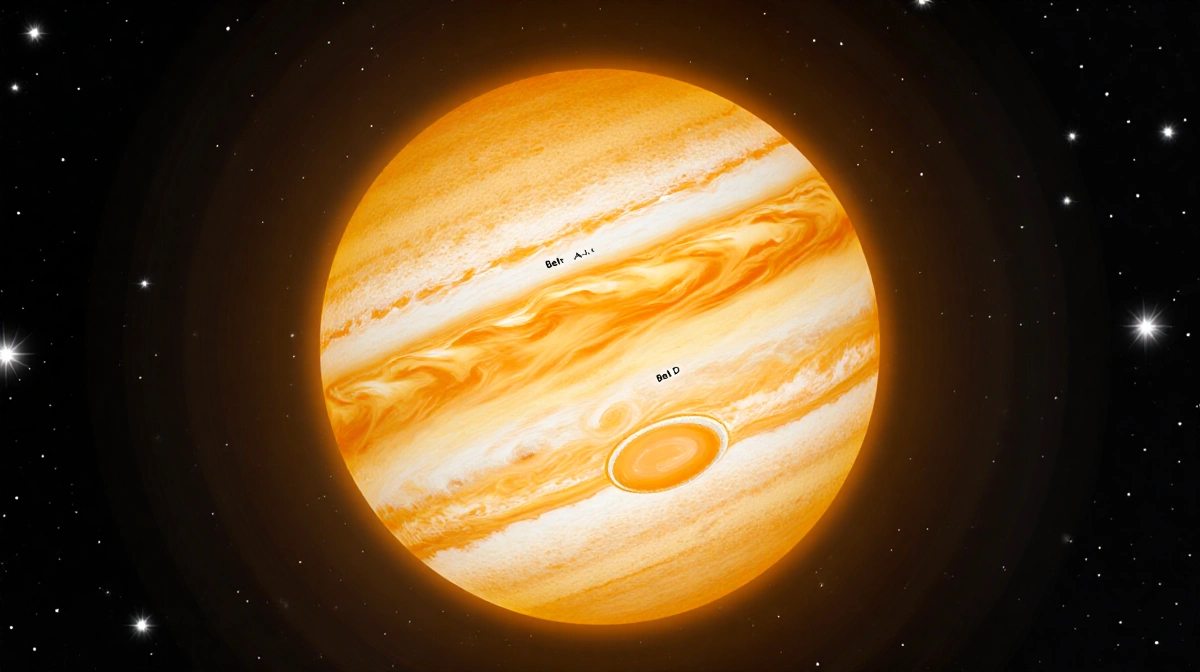
NASA and EarthSky agree: Jupiter will blaze at magnitude -2.7, making it the fourth brightest sky object after the Sun, Moon and Venus.
- Visible even from light-polluted cities
- Stays high through crisp January nights
- No telescope required
Where to Look
Face east after dusk and find Gemini. The steady, cream-colored “star” near Castor and Pollux is Jupiter. It won’t twinkle like the twins-its glow remains rock-steady.
Upgrading the View
- Naked eye: Spectacular by itself
- Binoculars: Reveal four Galilean moons as tiny beads
- Small telescope: Show cloud bands and subtle surface stripes
Key Takeaways
- Opposition occurs Jan 10 but the display lasts for days
- Jupiter climbs highest around local midnight
- Visible everywhere on Earth under clear skies
- Best viewing shortly after sunset; let eyes adjust for 10 minutes
Bundle up, look east, and catch the king of planets ruling the winter sky.