At a Glance
- The Justice Department has subpoenaed Federal Reserve Chair Jerome Powell and threatened criminal indictment over central bank building renovations.
- President Donald Trump has escalated attacks on Fed independence, seeking to fire Governor Lisa Cook and replace Powell when his term expires in May.
- Republican Sen. Thom Tillis broke ranks, warning the administration is “actively pushing to end the independence of the Federal Reserve.”
- Why it matters: Investors fear political interference could roil markets, raise borrowing costs, and undermine decades of inflation-fighting credibility.
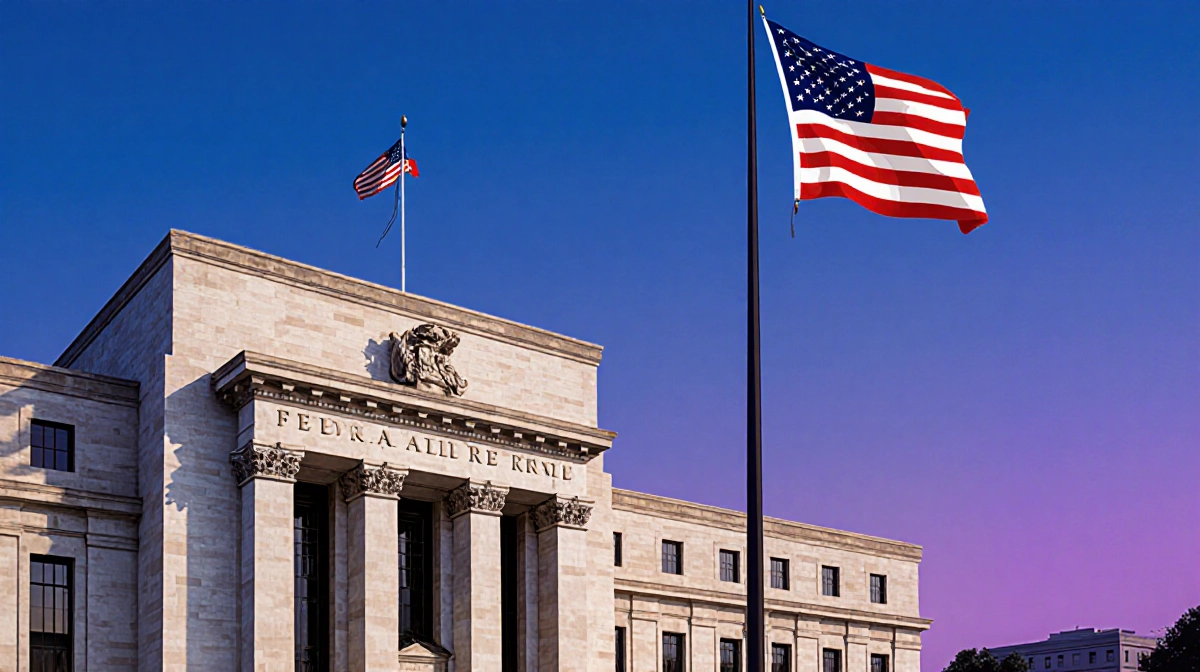
The Justice Department has subpoenaed Federal Reserve Chair Jerome Powell and threatened a criminal indictment over testimony he gave this summer about the central bank’s $2.5 billion building renovation project, Powell disclosed over the weekend.
The move marks a dramatic escalation by the Trump administration after months of public criticism and private pressure on the independent central bank. President Trump has repeatedly attacked Powell for not cutting interest rates faster, even suggesting he might fire the chair before his term expires in May.
Criminal Probe Targets Powell
Federal Reserve Chair Jerome Powell said the Justice Department served the central bank with a subpoena Friday, warning of potential criminal charges related to the Fed’s headquarters renovation. Powell described the threat as a “pretext” aimed at undermining the Fed’s independence in setting interest rates.
The renovation has become a focal point for Trump allies who accuse Powell of mismanaging the project. The president himself has seized on the issue, alleging waste and abuse at the central bank.
Republican Senators Push Back
While most Republican lawmakers have remained quiet, several early breaks with the party have emerged.
“If there were any remaining doubt whether advisers within the Trump Administration are actively pushing to end the independence of the Federal Reserve, there should now be none,” said North Carolina Sen. Thom Tillis, who sits on the Senate Banking Committee.
The committee oversees Fed nominations, giving Tillis significant influence over future appointments.
Broader Campaign Against Fed Leadership
The criminal probe represents just one front in the administration’s campaign to reshape the central bank. Trump is already seeking to fire Federal Reserve Governor Lisa Cook over unproven allegations of mortgage fraud. The claims surfaced over the summer from Bill Pulte, a Trump appointee to the Federal Housing Administration.
Cook’s term extends to 2038, so forcing her out would allow Trump to appoint a loyalist years earlier than scheduled.
Why Fed Independence Matters
The Federal Reserve wields enormous power over the U.S. economy through its control of short-term interest rates. When the Fed cuts rates, borrowing becomes cheaper, encouraging spending and investment. When it raises rates, it slows the economy to fight inflation.
Economists have long favored independent central banks because they can take unpopular but necessary steps to control inflation. Political interference often leads to artificially low rates that boost the economy short-term but fuel damaging inflation long-term.
Historical Lessons
The importance of Fed independence was cemented during the 1970s inflation crisis. Former Fed Chair Arthur Burns succumbed to pressure from President Richard Nixon to keep rates low before the 1972 election, allowing inflation to accelerate.
Paul Volcker’s appointment in 1979 reversed course, pushing the Fed’s short-term rate to nearly 20% to crush inflation. The move triggered a severe recession but ultimately succeeded, with inflation falling to low single digits by the mid-1980s.
Market Reaction
Investors are watching the standoff closely. An effort to fire Powell would likely cause stock prices to fall and bond yields to spike, raising borrowing costs across the economy.
Monday morning, major U.S. markets declined at the open, bond yields edged higher, and the dollar weakened.
Most investors prefer an independent Fed because:
- It typically manages inflation better
- Its decisions are more predictable
- Officials publicly telegraph policy shifts
When central banks become political tools, markets struggle to anticipate moves, leading to volatility and higher borrowing costs.
International Examples
Turkey provides a cautionary tale. President Recep Tayyip Erdogan forced the central bank to keep rates low in the early 2020s even as inflation spiked to 85%. Only after allowing more independence in 2023 did inflation begin falling, though short-term rates had to rise to 50%.
Fed Accountability Mechanisms
The Fed’s independence doesn’t mean it’s unaccountable. Chairs serve four-year terms and require Senate confirmation. The president appoints six other board members to staggered 14-year terms.
Congress sets the Fed’s goals through legislation. The 1977 law establishing the “dual mandate” requires the central bank to:
- Keep prices stable (defined as 2% inflation)
- Seek maximum employment
The same law mandates the Fed chair testify before House and Senate committees twice yearly.

Can Trump Fire Powell?
The Supreme Court last year suggested presidents cannot fire Fed chairs simply over policy disagreements. Removal “for cause” typically requires wrongdoing or negligence.
The administration’s focus on the building renovation appears designed to establish such cause. However, Powell would likely challenge any removal attempt, potentially sending the case to the Supreme Court.
Trump will get his chance to replace Powell legitimately when the chair’s term expires in May. But 12 members vote on interest-rate decisions, so replacing the chair alone doesn’t guarantee policy shifts.
Key Takeaways
- The Justice Department’s criminal threat represents an unprecedented attack on Fed independence
- Markets are already reacting with falling stocks and rising bond yields
- Several Republican senators are breaking with the administration
- The standoff could determine whether the Fed remains insulated from political pressure
- Trump has multiple avenues to reshape the central bank, from forcing out governors to waiting for Powell’s term to expire