
At a Glance
- Kaia Gerber, 22, expands her literary influence by co-founding Library Science.
- The platform focuses on non-bestseller titles, including translated works and debut authors.
- Gerber aims to encourage young readers and highlight underrepresented voices.
- Why it matters: It shows a celebrity using her platform to promote diverse literature and foster community.
Kaia Gerber, 22, has long been a cultural influencer, but her newest venture places her firmly in the literary world. In 2020, she began sharing reading recommendations on Instagram Live, hosting weekly discussions and interviewing authors such as Jane Fonda and Emily Ratajkowski. By 2024, she and author Alyssa Reeder launched Library Science, a book platform that curates works that “aren’t on the typical bestsellers list.”
The Platform
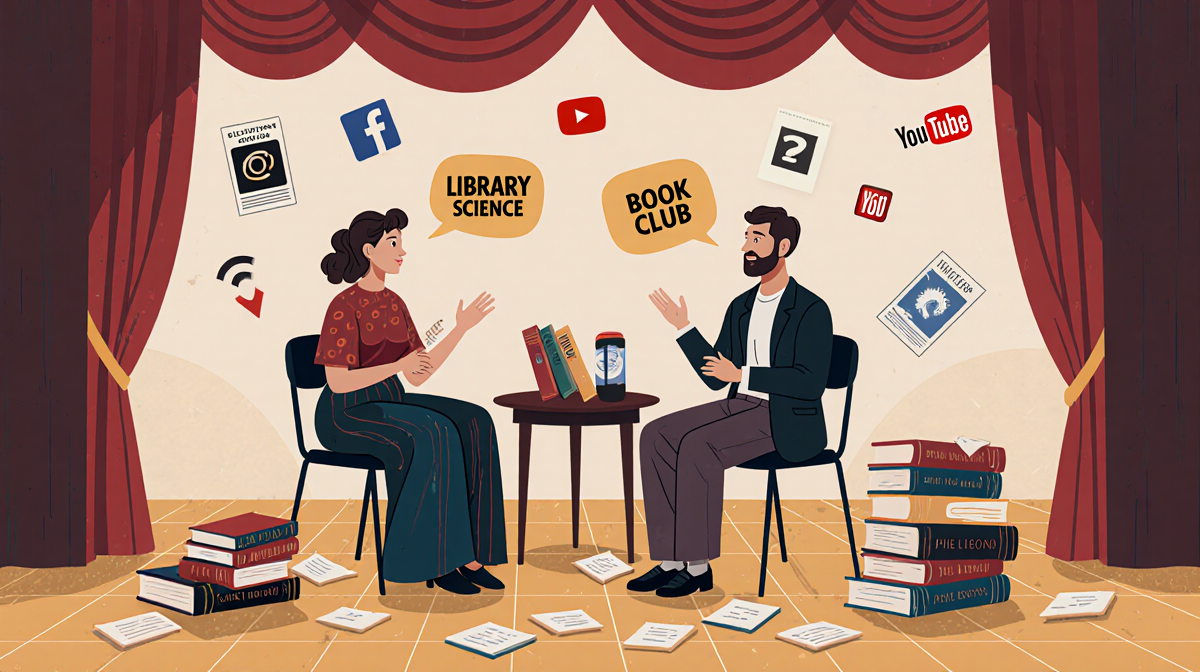
Library Science’s mission is clear: get young people reading and build a community of book lovers while spotlighting underrepresented voices, debut authors, and rising writers. The platform offers a mix of translated literature, essay collections, and plays. All archived interviews are available on Library Science’s YouTube channel, and Gerber continues to use Instagram to share photos of writers she admires, favorite bookstores, and even the books that sit on authors’ bedside tables.
Gerber explained her motivation to the Wall Street Journal:
> “I think that a big part, for me, of starting a book club is I did reach a point where I really resented [fame] and felt angry. Why do people get to take something from me when I leave my house?” She added, “And then all of a sudden, I was like, this gives me something. This can be a gift.”
Her statement reflects a desire to turn personal frustration into a constructive outlet-an outlet that encourages others to engage with literature.
Building a Community
The platform’s community strategy hinges on conversation. Library Science’s Instagram posts highlight the authors behind the books, and the platform’s YouTube channel hosts the interviews Gerber has conducted. By fostering these dialogues, Library Science positions itself as more than a recommendation list; it becomes a space where readers can discuss themes, authorship, and the cultural significance of the works.
Library Science’s descriptions of its books underscore this conversational angle. For example, on Instagram it notes:
- “This two-person psychological thriller touches on gender politics, power, our emotional connection to content, careerism, moral obligation, and what it means to be a citizen of the internet.”
- “We really can’t stop talking about it … and cannot wait for you to read it.”
These captions illustrate the platform’s focus on nuanced, contemporary issues and its commitment to sparking discussion.
Book Club Picks
Below are the nine titles highlighted by Library Science in 2024. Each entry includes the book’s title, author, and a brief note on why it was chosen.
| Title | Author | Note |
|---|---|---|
| I Am Alien to Life | Djuna Barnes | A collection of Barnes’ short fiction, described as a “treasure.” |
| Dear Dickhead | Virginie Despentes | Translated by Frank Wynne; explores addiction and ethics. |
| Job | Max Wolf Friedlich | A play about a woman placed on administrative leave, touching on gender politics and internet culture. |
| Role Play | Clara Drummond | A novella about a Rio de Janeiro art curator, labeled a “class-consciousness awakening.” |
| Brat | Gabriel Smith | A modern gothic novel about a man haunted by his family’s unfinished manuscripts. |
| Real Americans | Rachel Khong | A multigenerational saga about a Chinese family in America. |
| Sex and Rage | Eve Babitz | An iconic Los Angeles novel following a woman’s move from California to New York. |
| Astragal | Albertine Sarrazin | A semi-autobiographical French novel about a woman’s escape from prison. |
| Martyr! | Kaveh Akbar | A poet’s exploration of violence and family secrets. |
These selections demonstrate Library Science’s commitment to diverse voices and complex storytelling. Each book is chosen not only for its literary merit but also for its potential to provoke conversation among young readers.
Key Takeaways
- Kaia Gerber uses her platform to champion literature that falls outside mainstream bestsellers.
- Library Science focuses on community building through interviews, Instagram engagement, and a curated book list.
- The platform’s 2024 picks span genres and cultures, reinforcing its mission to expose readers to underrepresented narratives.
- Gerber’s own journey-from Instagram Live discussions in 2020 to co-founding a book platform in 2024-illustrates how personal passion can evolve into a broader cultural initiative.
By launching Library Science, Gerber is not only sharing her love of books but also creating a space where readers can explore diverse stories, discuss important themes, and connect with authors. The result is a vibrant literary community that reflects the richness of contemporary storytelling.