At a Glance
- Kansas River has lost 109,000 pounds of invasive carp since 2022, with 36,863 pounds removed in 2025.
- The effort targets silver, bighead and black carp, species that threaten native fish and public safety.
- Federal funding of nearly $19 million supports statewide and regional removal and monitoring.
- Why it matters: The cleanup helps native species recover, protects boating safety, and slows a species that has spread across the Mississippi River basin.
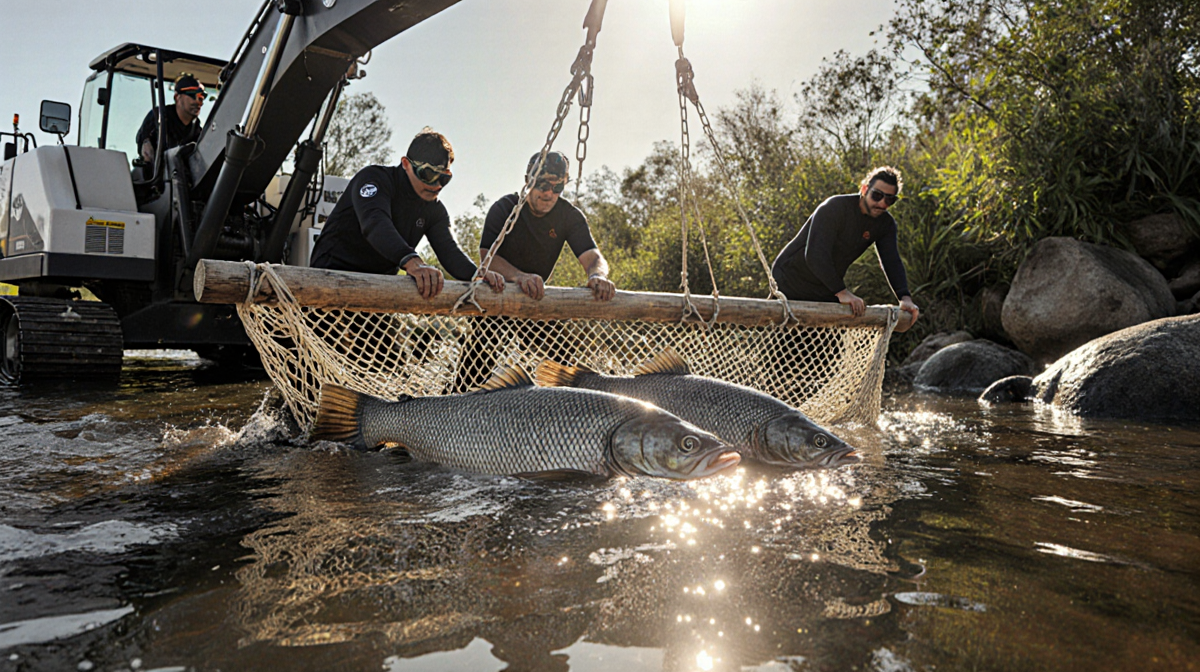
The Kansas Department of Wildlife and Parks (KDWP) has announced that biologists have removed more than 100,000 pounds of invasive Asian carp from the Kansas River over the past four years, reaching a milestone in the state’s ongoing effort to protect one of its most important waterways.
Invasive Carp in Kansas
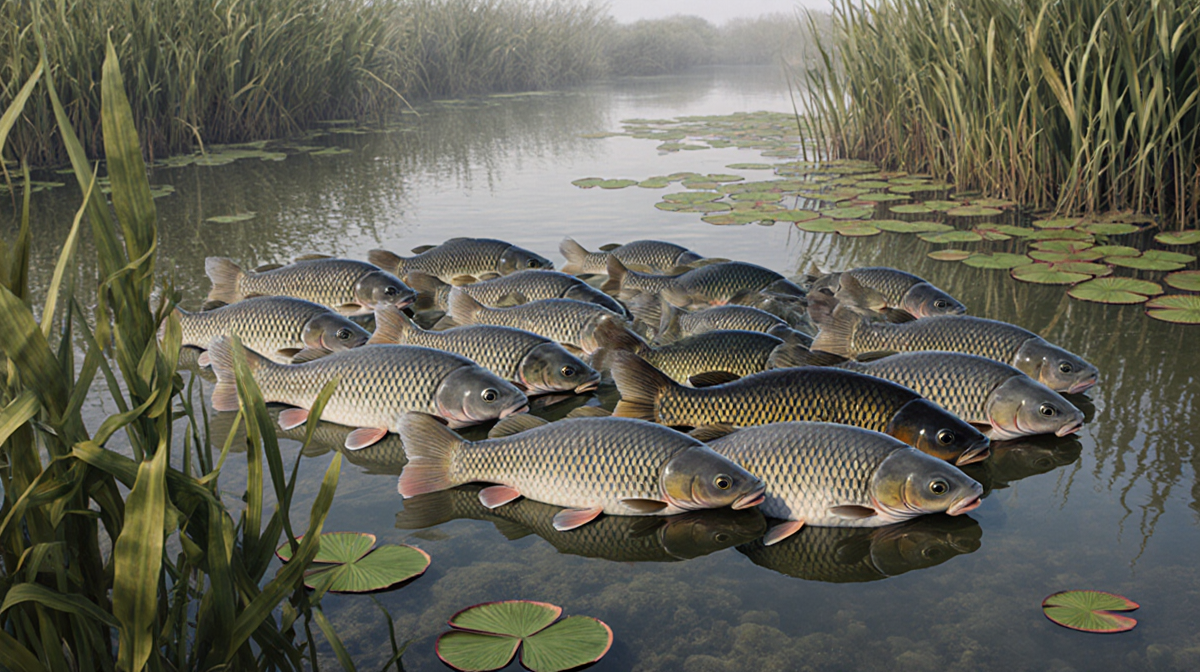
The three carp species-silver, bighead and black-were introduced to the United States in the 1970s for aquaculture. Decades later, they escaped into Midwestern waterways and have spread rapidly. They grow quickly, consume large amounts of food and crowd out native species that rely on the same resources.
- Silver carp are known for leaping out of the water when startled by boat motors, sometimes striking boaters.
- Bighead carp can exceed 100 pounds and are a major ecological threat.
- Black carp are the least studied but are still a concern for native fish.
KDWP officials say removal will continue year-round and may expand further as research and funding allow.
Removal Efforts and Techniques
Biologists have used a combination of electrofishing, gill nets and newer specialized equipment. In recent years, the agency added an electrified dozer trawl designed specifically for carp removal. This device stuns fish and collects them as boats move through infested waters.
In 2025, officials expanded removal efforts downstream, adding 15 miles of the Kansas River. The Bowersock Dam in Lawrence continues to serve as a barrier, preventing carp from spreading farther upstream.
| Year | Pounds Removed |
|---|---|
| 2022 | 0 (start of organized effort) |
| 2023 | 20,000+ |
| 2024 | 32,000+ |
| 2025 | 36,863 |
The 2025 total is the highest annual amount removed so far for the effort.
Impact on Native Fish
“We are seeing positive effects in Kansas waterways and for native species,” said Liam Odell, an invasive carp biologist with KDWP. He noted that biologists are beginning to observe population declines in targeted areas alongside the return of native fish.
The removal of carp has several ecological benefits:
- Reduces competition for food and habitat.
- Lowers the risk of carp leaping into boat wakes.
- Helps restore native fish populations that have been suppressed.
Funding and Regional Collaboration
In August 2025, the U.S. Fish and Wildlife Service announced nearly $19 million in funding for invasive carp management across 18 states in the Mississippi River basin, including Kansas. The funds support large-scale removal, monitoring and prevention strategies aimed at slowing the species’ spread.
KDWP’s work is part of a broader regional push. The agency’s removal program is coordinated with the Illinois Department of Natural Resources and other state partners to ensure a consistent approach across waterways.
How the Public Can Help
KDWP officials encourage the public to:
- Never release invasive carp back into the water.
- Report sightings outside known infested rivers.
- Support local removal efforts through volunteer programs.
By following these steps, residents can help maintain the health of the Kansas River and protect native species for future generations.
Key Takeaways
- Over 109,000 pounds of invasive carp have been removed from the Kansas River since 2022.
- The 2025 removal of 36,863 pounds marks the most successful year to date.
- Federal funding of nearly $19 million supports continued removal and monitoring across the region.
- Public participation is essential to prevent further spread of carp.
The ongoing cleanup demonstrates how coordinated state and federal efforts can make a tangible difference in preserving vital ecosystems.