
At a Glance
- Katie Thurston announced her mom’s breast cancer diagnosis on Jan. 19, 2026
- Thurston’s own cancer progressed to stage 4 after February 2025 diagnosis
- She credits early detection to advocating for ultrasound after negative mammogram
- Why it matters: Their story highlights importance of additional screening for dense breast tissue
Katie Thurston has revealed that her mother is now battling breast cancer, nearly a year after sharing her own diagnosis that later progressed to stage 4. The former Bachelor contestant shared the news in an emotional Instagram post, detailing how her advocacy helped catch her mother’s cancer early.
Mother-Daughter Cancer Journey
Thurston flew to Seattle to accompany her mom to her first doctor’s appointment following the diagnosis. She emphasized the importance of being proactive about medical care.
“I want to make sure she is getting proper care and information. I hate that we have to be our biggest advocate but also, it’s what will save your life,” she wrote in her Instagram caption.
The diagnosis came just weeks after her mother’s routine mammogram in December 2025. Initially, doctors told her the results were negative and “probably benign,” despite noting she had dense breast tissue. They recommended returning the following year for her annual mammogram without suggesting additional imaging.
The Critical Role of Advocacy
Thurston urged her mother to request a breast ultrasound, explaining that ultrasounds can detect cancer hidden within dense breasts. This push for additional screening proved crucial.
After the ultrasound revealed suspicious masses, doctors performed a breast MRI and biopsies. Two weeks later, Thurston’s mother received her cancer diagnosis.
“Our own advocacy allowed us to catch this early,” Thurston wrote, though they are still awaiting more details about her mother’s specific condition.
Thurston’s Personal Cancer Battle
The news comes as Thurston continues her own fight against stage 4 breast cancer. She first announced her diagnosis in February 2025, initially believing it was stage 3 invasive ductal carcinoma.
A month later, she discovered the cancer had spread to her liver, upgrading her to stage 4 status.
“After days of waiting, unfortunately, I did find out today that my breast cancer has spread to the liver. It is fairly small, however, that does put me at stage four,” she shared in a March Instagram video.
Treatment Progress and Side Effects
By June, Thurston had completed two months of treatment and began opening up about living with advanced cancer. She experienced significant side effects including memory loss and hair falling out in clumps.
During an October 2025 appearance on Good Morning America, she provided an encouraging update on her condition. Her six-month scan showed the medication was still working, with her tumor continuing to shrink.
“When you’re stage 4, that’s really all you can hope for,” she said about the positive scan results.
The Importance of Dense Breast Screening
Thurston’s experience with both her own diagnosis and her mother’s highlights a critical gap in standard breast cancer screening protocols. Dense breast tissue can mask tumors on traditional mammograms, making additional imaging essential.
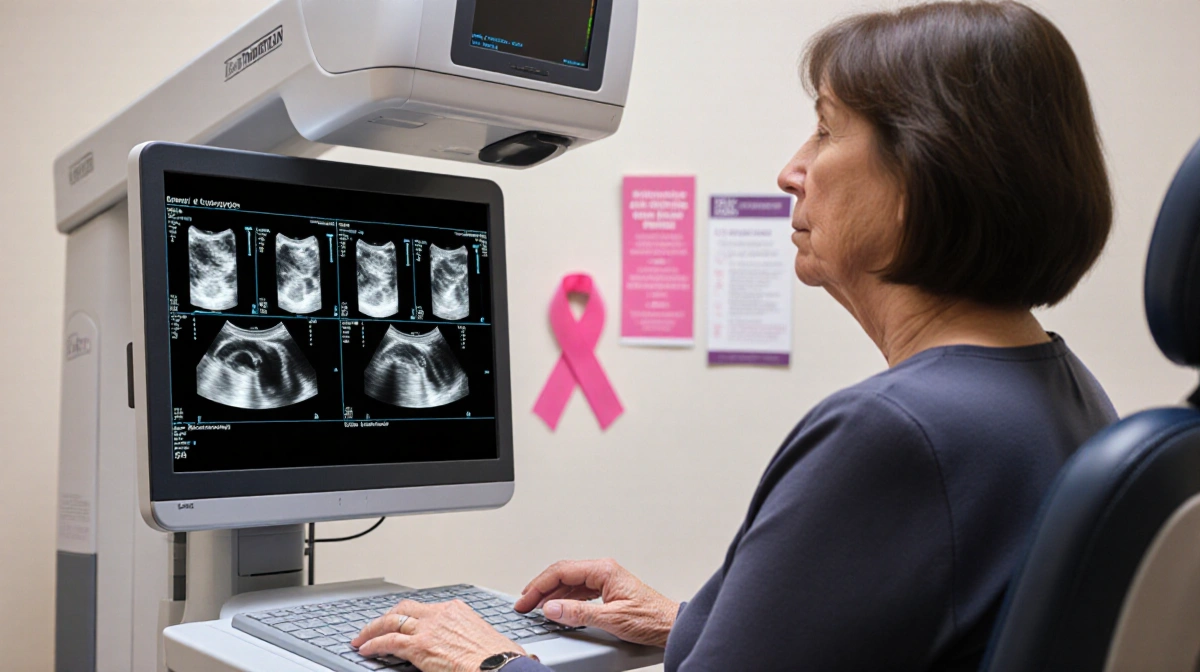
Her advocacy for her mother’s additional screening demonstrates how patients and families must sometimes push for more comprehensive testing. This proactive approach led to early detection in her mother’s case.
The mother-daughter duo now faces their cancer journeys together, with Thurston emphasizing how self-advocacy saved her mother’s life by catching the disease in its early stages.
Key Takeaways
- Dense breast tissue requires additional screening beyond mammograms
- Patient advocacy can lead to earlier cancer detection
- Thurston’s stage 4 cancer remains stable with treatment
- The mother and daughter are supporting each other through treatment
Their story serves as a reminder that standard screening protocols may not be sufficient for everyone, particularly those with dense breast tissue. Thurston’s insistence on additional testing for her mother exemplifies how being proactive about health can lead to better outcomes.