At a Glance
- Leak detectors connect to a smartphone app and send alerts when water is detected, helping homeowners shut off water and stop damage.
- The top-rated models in 2026 include a dual-temperature sensor, a hub-free Wi-Fi detector, a plug-in kit, a multi-pack with long range, and an Apple/Zigbee-compatible sensor.
- Choosing the right detector depends on hub availability, budget, and the need for temperature monitoring.
- Why it matters: Early detection can prevent costly repairs and mold growth, especially during winter when pipes can freeze and burst.
The first paragraph
Leak detectors are essential for preventing water damage that can lead to costly repairs and mold. In 2026, a range of smart detectors offers features like temperature sensing, long-range connectivity, and integration with popular smart-home ecosystems. This guide reviews the best models and explains where to place them for maximum protection.
Overview of Leak Detector Technology
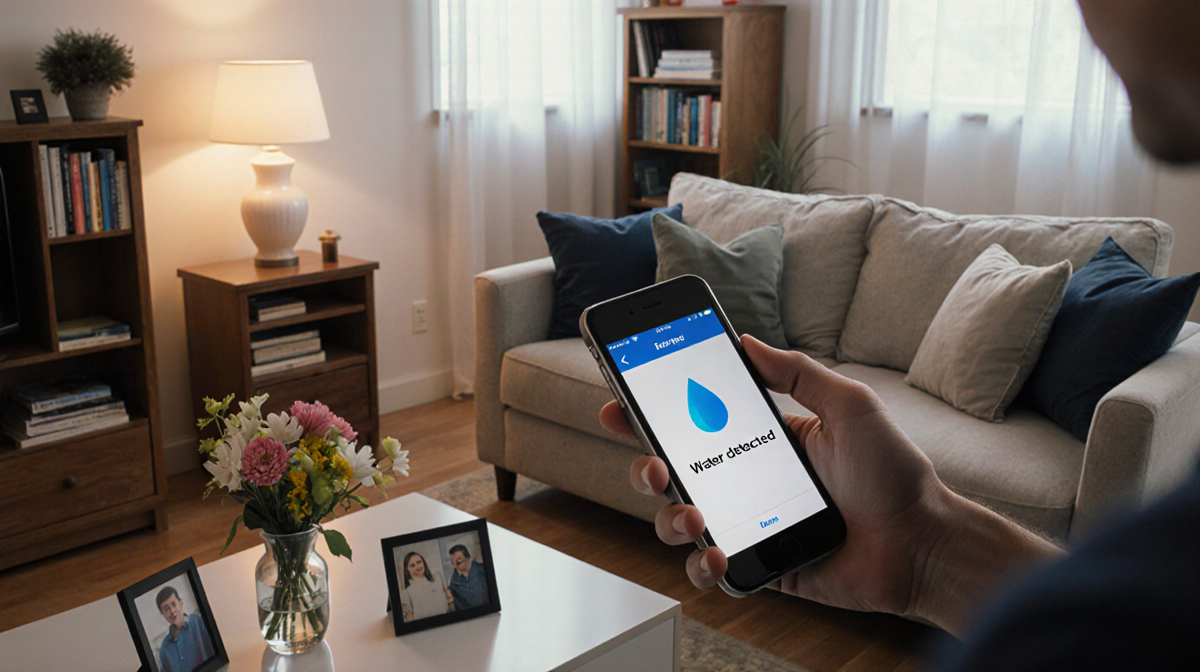
Leak detectors work by sensing moisture and, in some models, temperature changes. When a sensor detects water or a drop in temperature that could indicate a frozen pipe, it sends a notification to a paired smartphone app. The alerts allow homeowners to shut off the main water supply or take other remedial action before damage escalates.
Key benefits include:
- Immediate alerts regardless of location.
- Battery-powered units that last years.
- Compatibility with voice assistants like Alexa, Google Home, and Siri.
Common Placement Areas
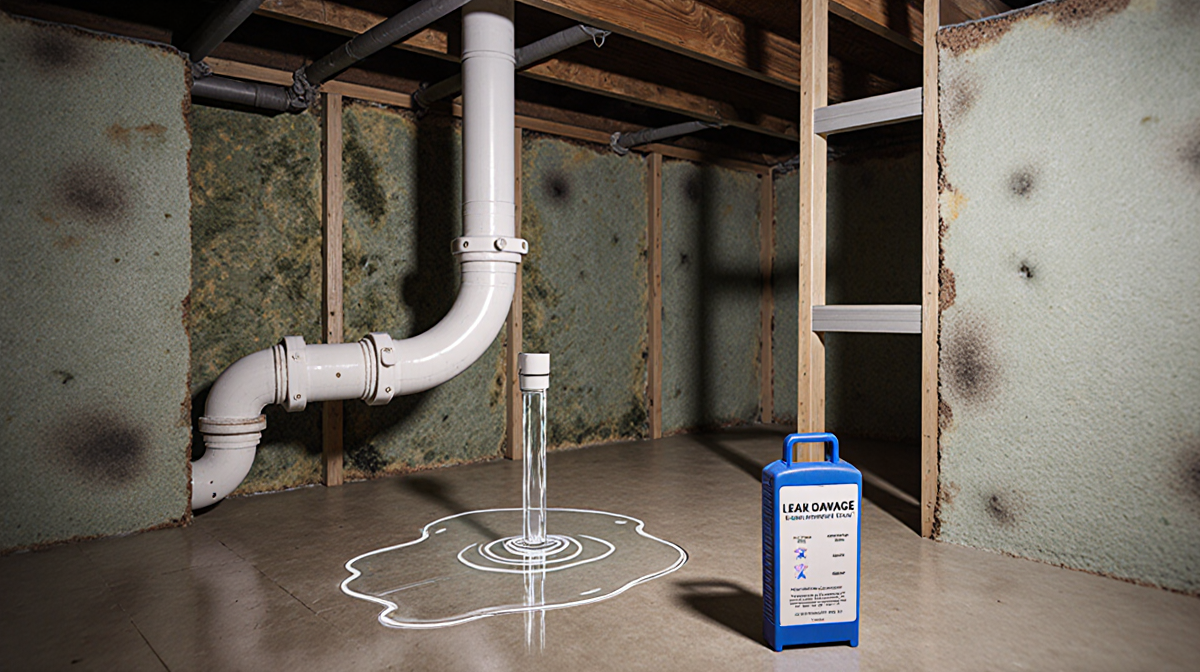
- Under kitchen and bathroom sinks to catch leaking pipes.
- Crawlspaces where pipes may freeze.
- Behind washing machines or in laundry rooms.
- Behind toilets to detect overflow.
- Near water heaters and sump pumps.
- Behind dishwashers and refrigerators.
- Beside fountains or indoor water features.
- Behind fish tanks.
- Near AC or dehumidifiers that could overflow.
Many detectors offer an attached cable to reach tight spaces, such as under a toilet or below a water tank.
Product Reviews
Below are the five best leak detectors of 2026, organized by category.
1. Eufy Water and Freeze Sensor – Best Overall
| Feature | Detail |
|---|---|
| Price | $35 |
| Sensor type | Temperature and pooling water |
| Battery life | 2-year replaceable battery |
| Smart-home support | Amazon Alexa, Google Home |
| Hub requirement | Eufy HomeBase (requires hub) |
| Pros | • Detects water and freezing temperatures |
• Simple to set up
• 2-year battery life |
| Cons | Requires a hub that can cost over $100 |
Why it stands out: The dual-function sensor alerts for both leaks and freezing temperatures, making it ideal for winter. It works best for homeowners who already own or are willing to purchase an Eufy HomeBase hub.
2. SwitchBot Wi-Fi Leak Detector – Best Standalone
| Feature | Detail |
|---|---|
| Price | $15 |
| Sensor type | Falling and pooling water |
| Battery life | 2-years with AAA batteries |
| Smart-home support | Amazon Alexa, Google Home, Siri |
| Hub requirement | None |
| Pros | • Very affordable |
• No hub needed
• Smart muting for alarm
• 2-year battery life |
| Cons | No temperature detection |
Who it’s for: Budget-conscious users who want a simple, hub-free solution.
3. D-Link Next-Gen Wi-Fi Water Leak Detector Starter Kit – Best Plug-in
| Feature | Detail |
|---|---|
| Price | $70 |
| Sensor type | Falling and pooling water |
| Battery life | 2-years with AAA batteries |
| Smart-home support | D-Link app, Amazon Alexa, Google Home |
| Hub requirement | Plug-in hub required |
| Pros | • Dual sensors (plug-in with strobe light) |
• 1,000-foot range |
| Cons | Requires a well-positioned wall outlet |
Who it’s for: Homeowners who need a plug-in model with a strobe light and have an outlet near the area to monitor.
4. GoveeLife Upgraded Smart Water Leak Detector – Best Multi-Pack
| Feature | Detail |
|---|---|
| Price | $60 |
| Sensor type | Falling and pooling water |
| Battery life | 5-years with AAA batteries |
| Smart-home support | Amazon Alexa, Google Home |
| Hub requirement | Hub included |
| Pros | • Extra-long range (over 1,800 feet) |
• 5-year battery life |
| Cons | Not everyone needs multiple detectors |
Who it’s for: Users who want several detectors for different rooms or outdoor spaces.
5. Aqara Water Leak Sensor – Best for Apple and Zigbee Users
| Feature | Detail |
|---|---|
| Price | $17 |
| Sensor type | Falling and pooling water |
| Battery life | 2-years with rechargeable battery |
| Smart-home support | Apple Home/Siri, Zigbee |
| Hub requirement | Aqara hub required |
| Pros | • Supports Apple Home and Zigbee |
• Affordable after hub purchase |
| Cons | Shorter range (~40 feet) |
Who it’s for: Those who already own an Aqara hub or plan to integrate with Apple Home.
How to Choose the Right Detector
- Hub Availability – If you already have a smart-home hub, a detector that plugs into it may be the best fit.
- Budget – Hub-free models like SwitchBot are cheaper upfront.
- Temperature Monitoring – Eufy and Aqara detect freezing temperatures.
- Range Needs – Govee offers the longest range for garages or sheds.
- Installation Space – Plug-in kits need a nearby outlet.
## Integration with Smart-Home Systems
Many leak detectors can be added to existing security platforms. For example, the D-Link kit works with the D-Link app and can be controlled via Alexa or Google Home. Govee detectors can also send alerts through email, text, or the app. Aqara sensors integrate seamlessly with Apple Home, offering a unified experience for users who prefer the Apple ecosystem.
Final Thoughts
Water damage can be devastating, but modern leak detectors give homeowners a powerful tool to catch problems early. Whether you need a single, hub-free unit or a multi-pack with long-range coverage, 2026’s best models provide reliable detection and easy app integration. By placing sensors in key areas-under sinks, in crawlspaces, behind appliances-you can protect your home and avoid costly repairs.
If you want to explore more than leak detectors, check out our smart-home 101 guide, read our recommendations for the best refrigerator, and learn about smart locks for front-door security.