> At a Glance
> – Lenovo’s new ThinkPads let users swap batteries, fans, even USB ports
> – RAM remains soldered, so buyers must spec memory up front
> – Both models ship in March starting at $1,999 and $2,149
> – Why it matters: DIY repairs cut e-waste and save money over the laptop’s life
Laptop tinkerers just got a lifeline. After years of sealed-shut ultrabooks, Lenovo is reviving user-repairability in two flagship ThinkPads unveiled at CES 2026.
Space Frame Design Breaks the Seal
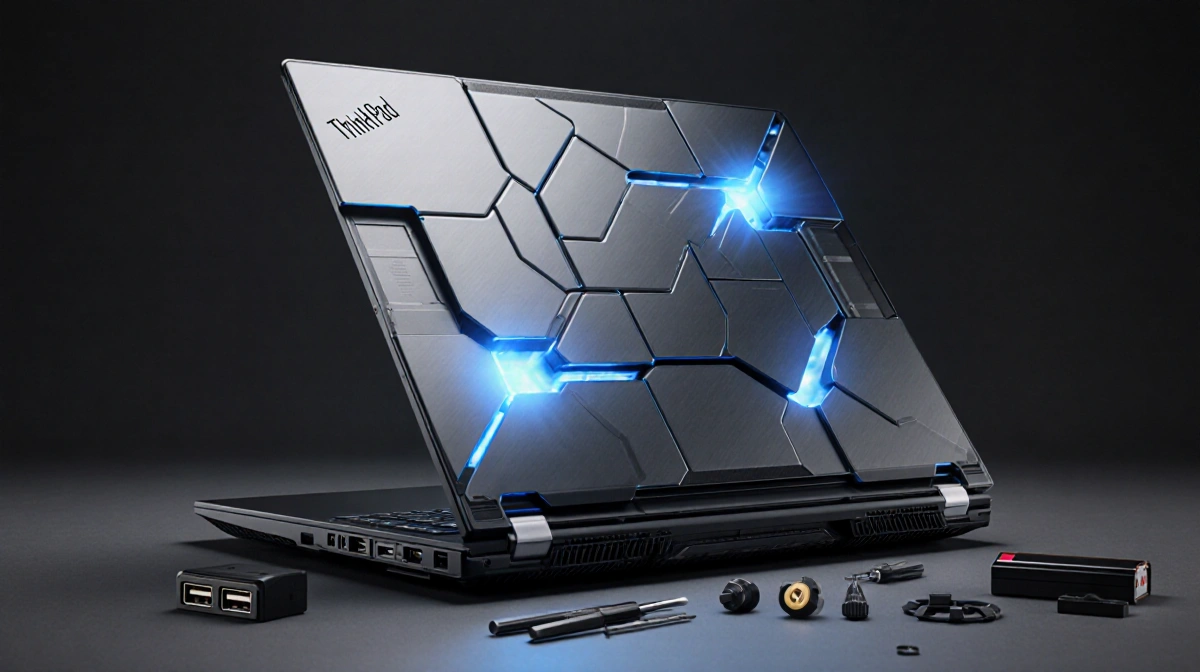
The X1 Carbon Gen 14 Aura Edition and X1 2-in-1 Gen 11 Aura Edition introduce Lenovo’s Space Frame architecture. Remove the bottom panel and the keyboard to reach:
- Battery
- Cooling fans
- Speakers
- USB ports
- Keyboard deck
A two-sided motherboard shrinks board area by roughly one-third, freeing space for a haptic touchpad and keeping the machines under 2.6 pounds.
Power and Specs
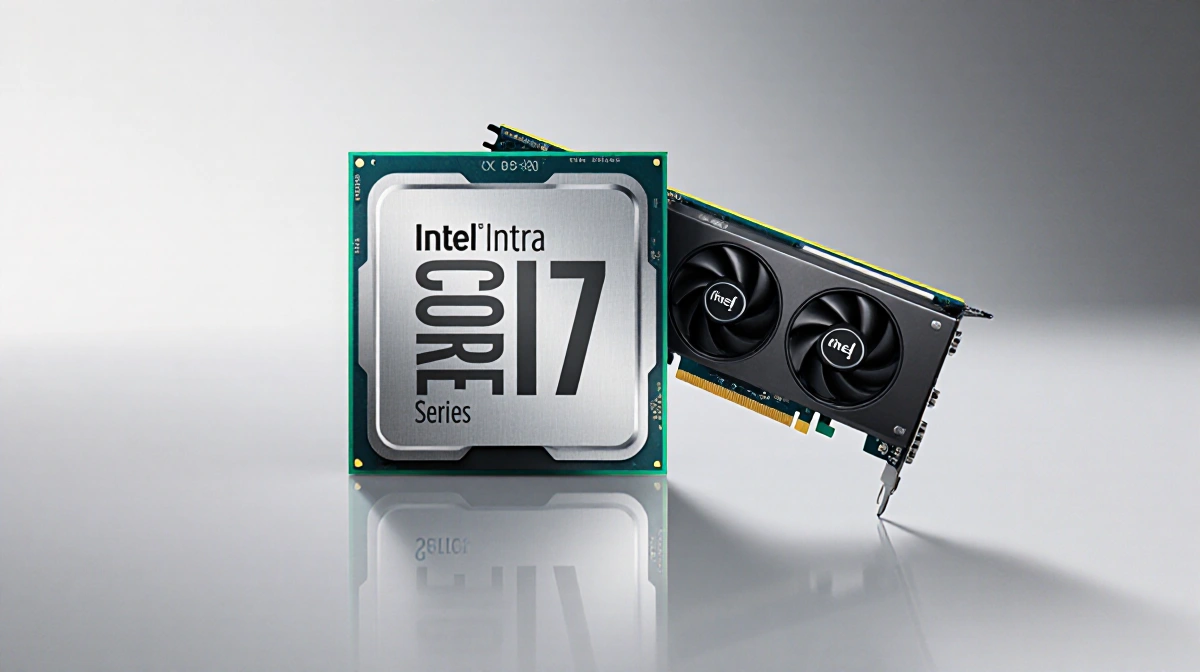
Both models run Intel’s Core Ultra X7 Series 3 (Panther Lake) with Arc B390 graphics. Other core specs:
| Component | Rating |
|---|---|
| RAM | Up to 64 GB LPDDR5x (soldered) |
| Storage | Up to 2 TB SSD |
| Display | 2.8K OLED panel |
| Webcam | 10-megapixel |
Chassis materials are up to 75 % recycled aluminum and 90 % recycled magnesium; retail boxes skip plastic entirely.
Key Takeaways
- Space Frame design revives component-level repairs without bulk
- Memory still not upgradeable-configure at purchase
- March launch starts at $1,999 for Carbon, $2,149 for 2-in-1
- Sustainability push targets longer product life and less e-waste
By swapping glue for screws, Lenovo gives businesses and eco-minded buyers a premium ultrabook built to last.