> At a Glance
> – University of Pennsylvania and University of Michigan teams unveil autonomous microrobots smaller than a grain of salt
> – Devices measure 200 × 300 × 50 micrometers, run for months on light alone
> – Pack sensing, computing, decision-making and movement into one self-contained unit
> – Why it matters: Cell-level biological monitoring and ultra-low-cost mass production now within reach
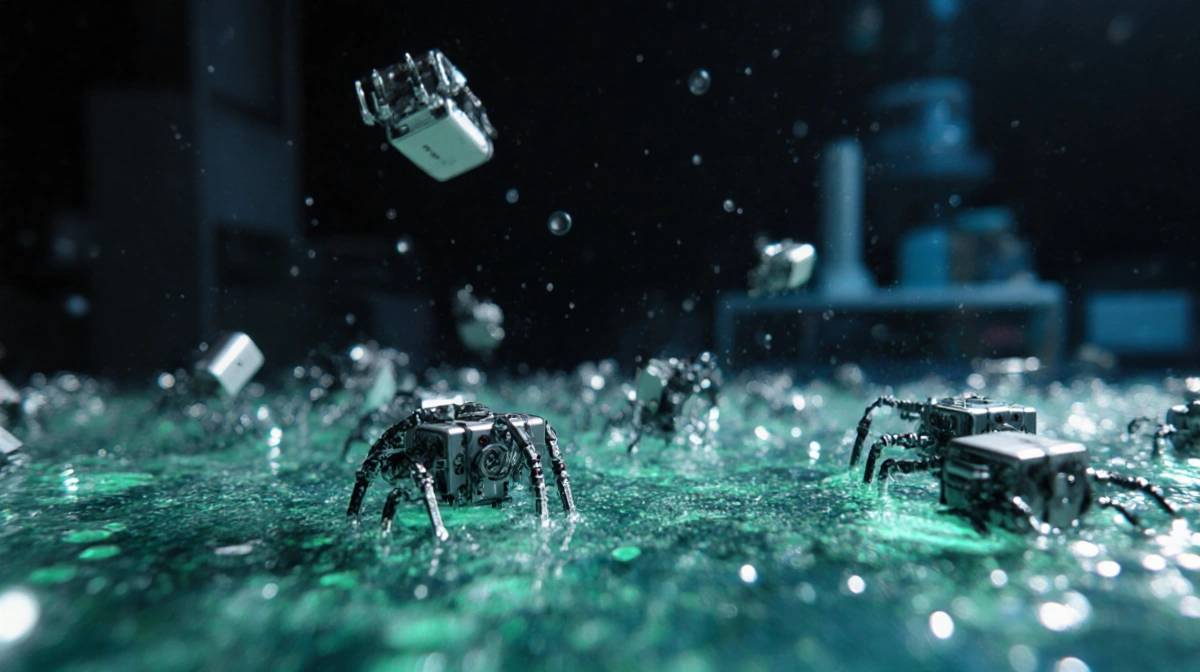
Engineers have crossed a critical size threshold by building robots 10,000 times smaller than any previously autonomous system. The light-fueled devices operate for months without external control.
How They Work
Instead of mechanical limbs, the robots create tiny electrical fields that push ions in surrounding fluid. This motion strategy suits the microscopic realm where conventional motors fail.
Each bot carries its own solar-cell processor, letting it:
- Detect temperature shifts
- Follow programmed routes
- Communicate via visible movement patterns under a microscope
From Fiction to Fact
Earlier microrobots needed magnetic fields or physical tethers. The new units eliminate those limits, opening fresh paths for research and manufacturing at previously unreachable scales.
Marc Miskin, senior author and Penn Engineering assistant professor, explained:
> “We’ve made autonomous robots 10,000 times smaller. That opens up an entirely new scale for programmable robots.”
Publication & Potential
Results appear this week in Science Robotics and the Proceedings of the National Academy of Sciences.
Possible uses include:
- Monitoring biological processes at cellular resolution
- Supporting medical diagnostics
- Assembling miniature devices
Because each unit can be mass-produced at very low cost, the technology promises widespread deployment across labs and clinics.
Key Takeaways
- First truly autonomous microrobots powered only by light
- Months-long operation without external guidance
- Could transform biological monitoring and precision assembly
- Published in two leading peer-reviewed journals this week
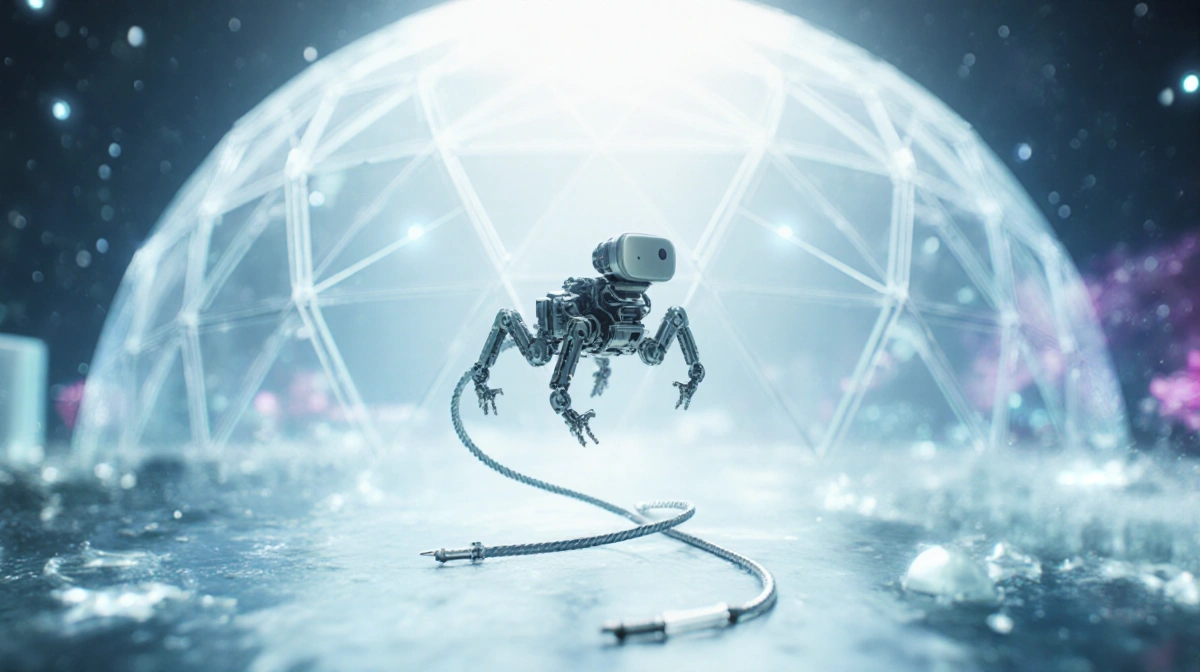
The breakthrough shrinks robotics to the scale of biological cells, setting the stage for interventions once confined to science fiction.