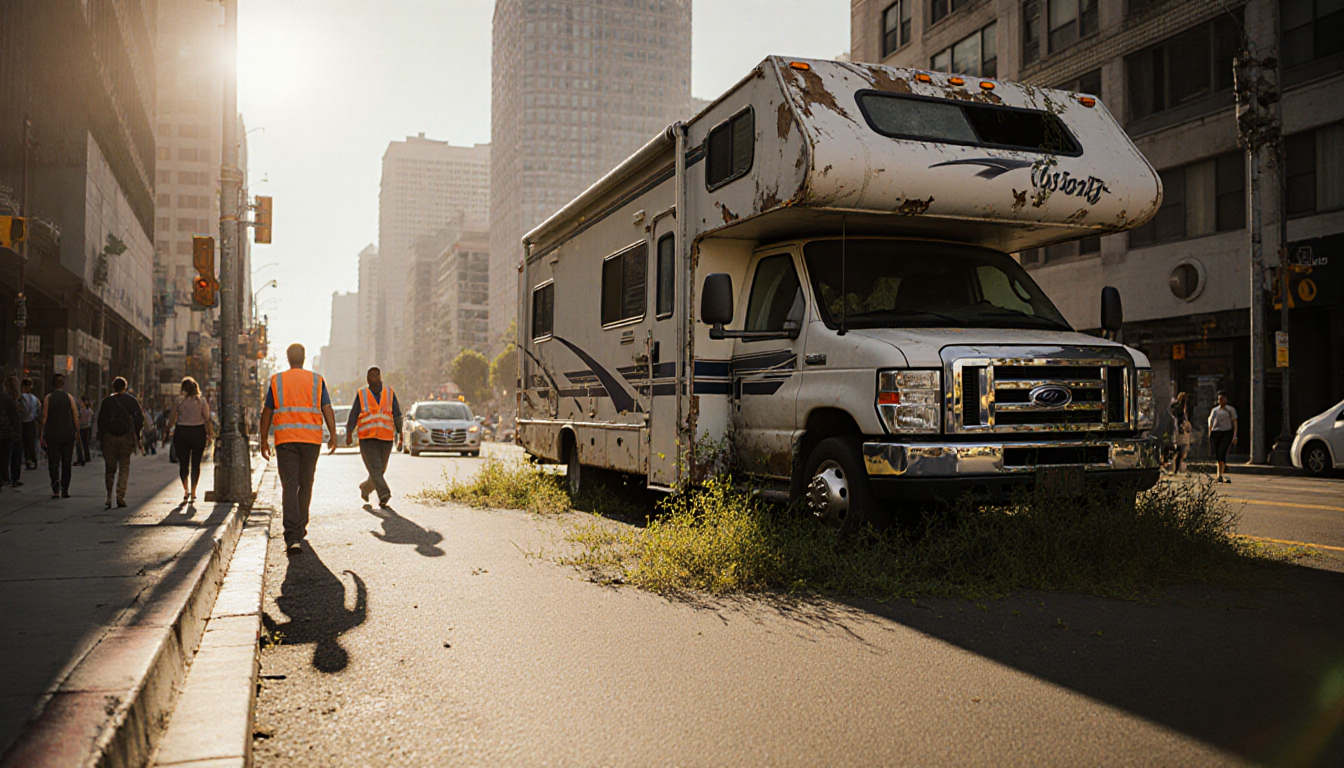
Los Angeles officials will soon be able to remove abandoned recreational vehicles from streets thanks to a new state law that lifts the value threshold from $500 to $4,000.
City Council Approves Plan
On Tuesday, the Los Angeles City Council voted 13‑2 to approve a plan that will allow the city to implement Assembly Bill 630, known as the Abandoned Recreational Vehicles Act. The motion, which was co‑introduced by Councilmember Traci Park, was adopted after a thorough discussion of how the new law would impact street safety and city resources. The only council members who opposed the motion were Hugo Soto‑Martinez and Eunisses Hernandez, who each cast a no vote. The council said it will receive updates on how the new law will be applied throughout the city. Councilmember Park emphasized that the change will help the city address the growing number of dilapidated RVs that pose safety risks. The council will also review how the law will be applied across neighborhoods.
The New Law Explained
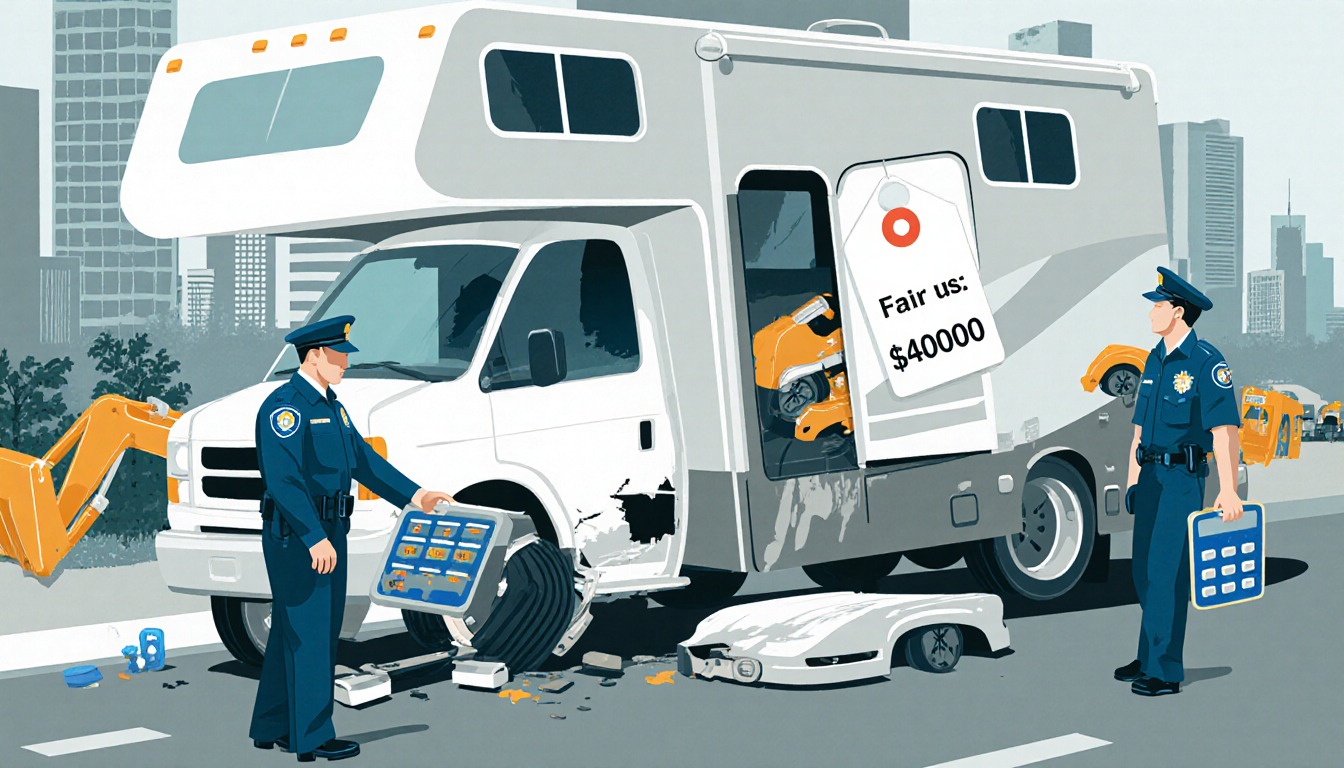
Assembly Bill 630 raises the value threshold for RVs that can be removed from the street. Under the new law, police officers or city employees may dispose of abandoned or inoperable recreational vehicles that are estimated to be $4,000 or less in value. Previously, the threshold was $500. The law applies only to Los Angeles and Alameda counties. It was signed into law by Governor Gavin Newsom on October 13, after a bipartisan effort to address the issue. The $4,000 threshold is a significant increase from the previous $500 limit, allowing the city to target a broader range of abandoned vehicles. The act specifically authorizes police officers or city employees to remove RVs that are abandoned or inoperable.
Implementation and Notice Requirements
The Department of Transportation and the Los Angeles Police Department will produce a report in a month outlining operational procedures for identifying, valuing, and processing abandoned recreational vehicles. The report will also outline how the city will coordinate with towing companies, assess vehicle conditions, and handle any environmental concerns related to hazardous materials that may be present in older RVs. Officials must give a 72‑hour notice before removing an RV. The vehicle owner has 30 days to retrieve the vehicle and recover items. If the RV remains unclaimed after 30 days, the local government can begin dismantling it. Officials will ensure that the removal process complies with state regulations and that owners are fully informed of their rights.
Community Reactions
The plan has drawn both support and criticism. Critics argue that the law will strip some Californians of the only affordable shelter they have, increasing the risk of displacement without concrete housing solutions. One man who had lived in his RV in Playa Vista for four years said he feared losing his home. He told reporters, “It seems like they are taking away people’s homes, that don’t have another option,” the man said. “The rent is so high, and mortgages are so high. For some people, their only option is to be in an RV.” The man in Playa Vista shared that he has lived in his RV for four years, using it as his primary residence due to financial constraints. He expressed concerns that the new law could force him to leave his home without a guaranteed alternative, highlighting the broader issue of affordable housing shortages.
Supporters and Critics
Councilmember Park also clarified that the law does not remove the right to appeal or seek compensation, and that any removal will be conducted with transparency and due process. She added, “This involves a change to state law, which previously required that if an impounded vehicle had a value of at least $500, it was required to be sent to the auction lot for resale,” Councilmember Traci Park, who co‑introduced the motion, said “This moves that number up to $4,000, which will help us get some of the most dilapidated, dangerous vehicles permanently off of our streets.” Supporters argue that abandoned RVs often pose public safety, health and environmental hazards. The law was introduced by Assemblymember Mark Gonzalez (D‑Los Angeles) in partnership with Los Angeles Mayor Karen Bass. Supporters of the law point out that abandoned RVs often pose public safety, health and environmental hazards. The removal of abandoned RVs will improve public safety by eliminating hazards such as unsecured gas lines, deteriorated roofs, and potential fire risks.
Next Steps
The city council will monitor the implementation of AB 630 and will receive a detailed report from the Department of Transportation and LAPD next month. The plan is set to take effect next year, when the new state law becomes fully enforceable. The city plans to hold community meetings to explain the upcoming changes and gather feedback from residents. Officials will also work with local housing agencies to provide support for those affected by RV removal.
Key Takeaways
- Los Angeles City Council approved a plan to implement AB 630, raising the removal threshold to $4,000.
- The Department of Transportation and LAPD will report operational procedures within a month.
- The law has sparked debate over affordable housing and public safety.
The new state law empowers Los Angeles to remove a wider range of abandoned recreational vehicles, aiming to improve street safety while balancing concerns about housing and community impact.