At a Glance
- Unplugging electronics and washing clothes cold can cut bills by up to 10% a year.
- Cutting food waste saves consumers $728 annually and equals 42 coal-fired power plants.
- A 90-day no-new-clothes challenge can save 3,900 L of water, 300 kg CO₂, and $300.
Why it matters: Small habits that save money also lower emissions and improve health.
As the holiday season winds down, many people are looking for ways to keep the momentum of New Year’s resolutions while also protecting the planet. Simple, low-effort changes-like unplugging electronics, washing clothes cold, and cutting food waste-can trim energy bills, reduce greenhouse-gas emissions, and improve health.
Save Money on Bills
Unplugging electronics that still draw phantom power, such as chargers and entertainment systems, can reduce energy use. Using a power strip with an on-off switch or unplugging items you’re not using helps cut idle consumption.
Adjusting the thermostat a few degrees when you’re not home also saves money. The U.S. Department of Energy says that changing the thermostat by 7-10 °F for eight hours a day can save up to 10% a year on heating and cooling.
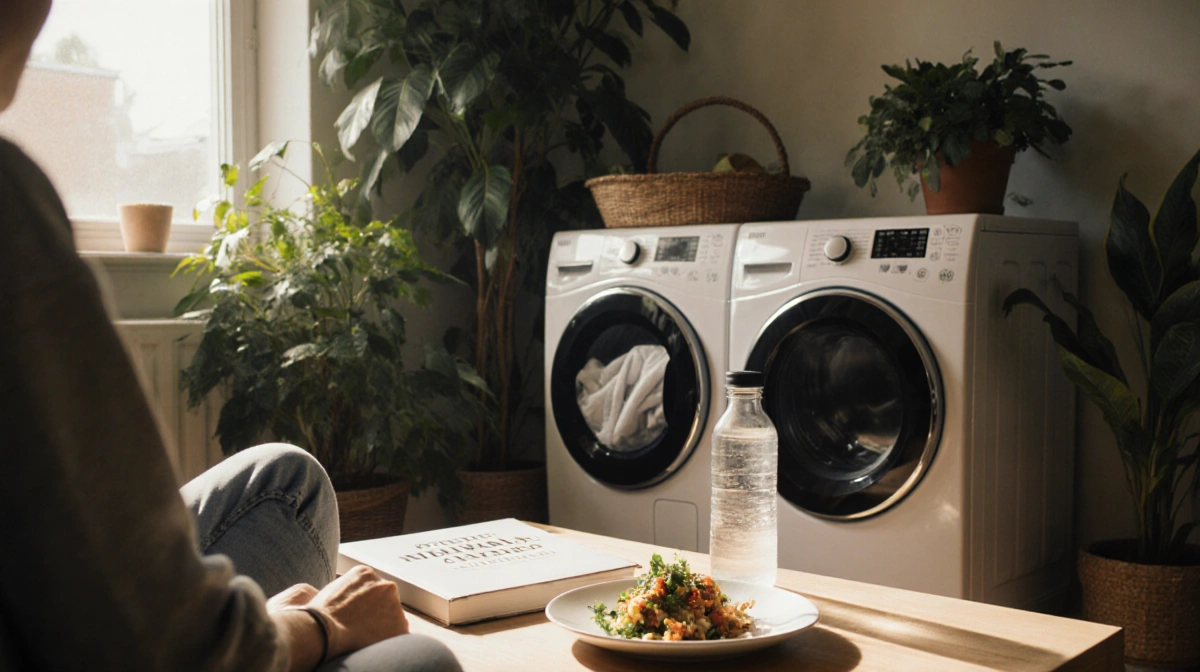
Washing clothes on the cold setting and air-drying them when possible lowers utility costs. Heating water is the biggest energy draw in laundry, and dryers are among the most energy-intensive appliances, according to Matthew Gonzales, vice chairman of the National Hispanic Energy Council.
- Switch to LED bulbs
- Seal drafty windows
- Replace dirty air filters
- Use natural light during the day
- Turn off lights when not needed
Eat Healthier and Waste Less
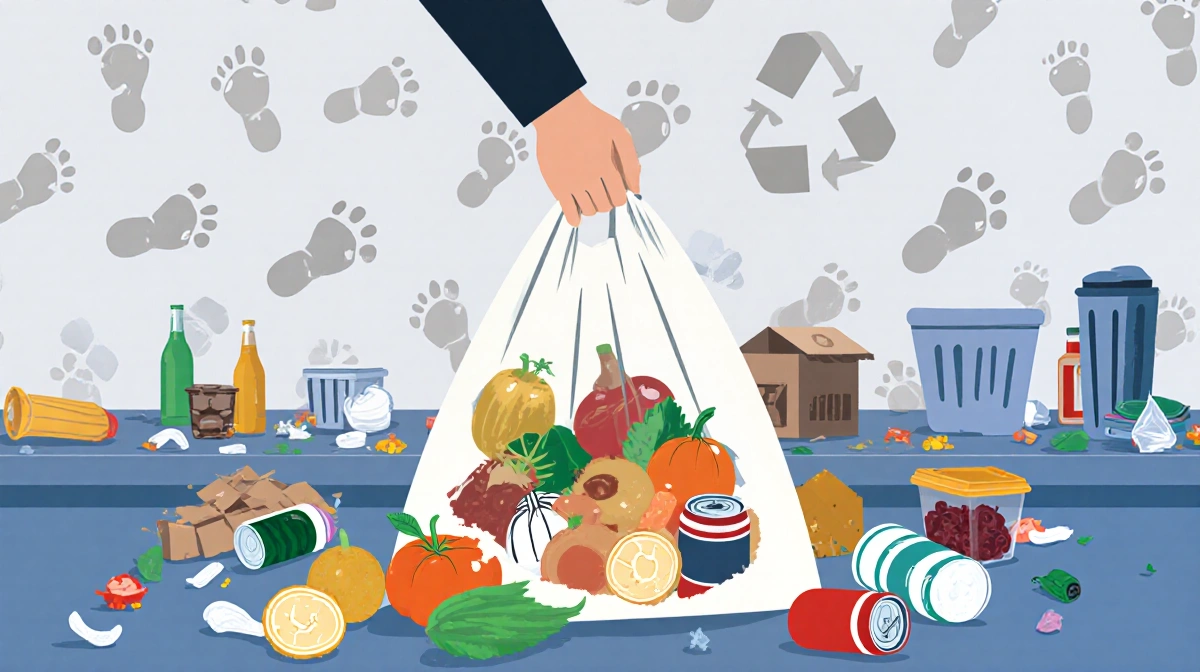
Food waste costs U.S. consumers $728 a year, according to the EPA, and generates greenhouse gases equal to 42 coal-fired power plants.
Anne-Marie Bonneau advises using pantry staples before shopping. Anne-Marie Bonneau says:
> “If you have fat and an onion and a couple of random vegetables – or even one random vegetable or some leftover cooked proteins or grains – you’ve got soup in the making,”
> “If you’ve cleared out so much food that you don’t even have an onion and fat, it’s probably time to go shopping.”
Bonneau also recommends preserving food before it spoils, such as fermenting vegetables or making sauces from seasonal produce and freezing them. Using a multicooker for applesauce, yogurt, stews, and beans can reduce energy use while helping with meal prep.
- Eat fewer ultra-processed foods
- Reduce plastic packaging
- Use leftovers creatively
Declutter and Buy Less
Organizing your space and spotting duplicates can reduce impulse spending. Katrina Caspelich, communications director for Remake, says that spending an hour organizing helps people understand what they actually use.
She recommends a “one-in, one-out” rule, unsubscribing from brand emails, and waiting 24 hours before buying something new. Katrina Caspelich says:
> “Most impulse purchases start with a notification, not a need,”
> “Waiting 24 hours before buying something new often turns a ‘must-have’ into a pass.”
Remake estimates that a 90-day no-new-clothes challenge can save 3,900 L of water, avoid 300 kg of CO₂, keep 9 kg of clothing waste out of landfills, and save about $300. Americans generated 17 million tons of textile waste in 2018, most of it clothing, according to the EPA.
| Metric | 90-Day Challenge |
|---|---|
| Water saved | 3,900 L |
| CO₂ avoided | 300 kg |
| Clothing waste | 9 kg |
| Money saved | $300 |
Key Takeaways
- Unplugging electronics and washing clothes cold can cut bills by up to 10% a year.
- Cutting food waste saves consumers $728 annually and equals 42 coal-fired power plants.
- A 90-day no-new-clothes challenge saves 3,900 L of water, 300 kg CO₂, and $300.
Even as the holiday season ends, a few simple habits can keep your budget healthy, your home greener, and your lifestyle more mindful.