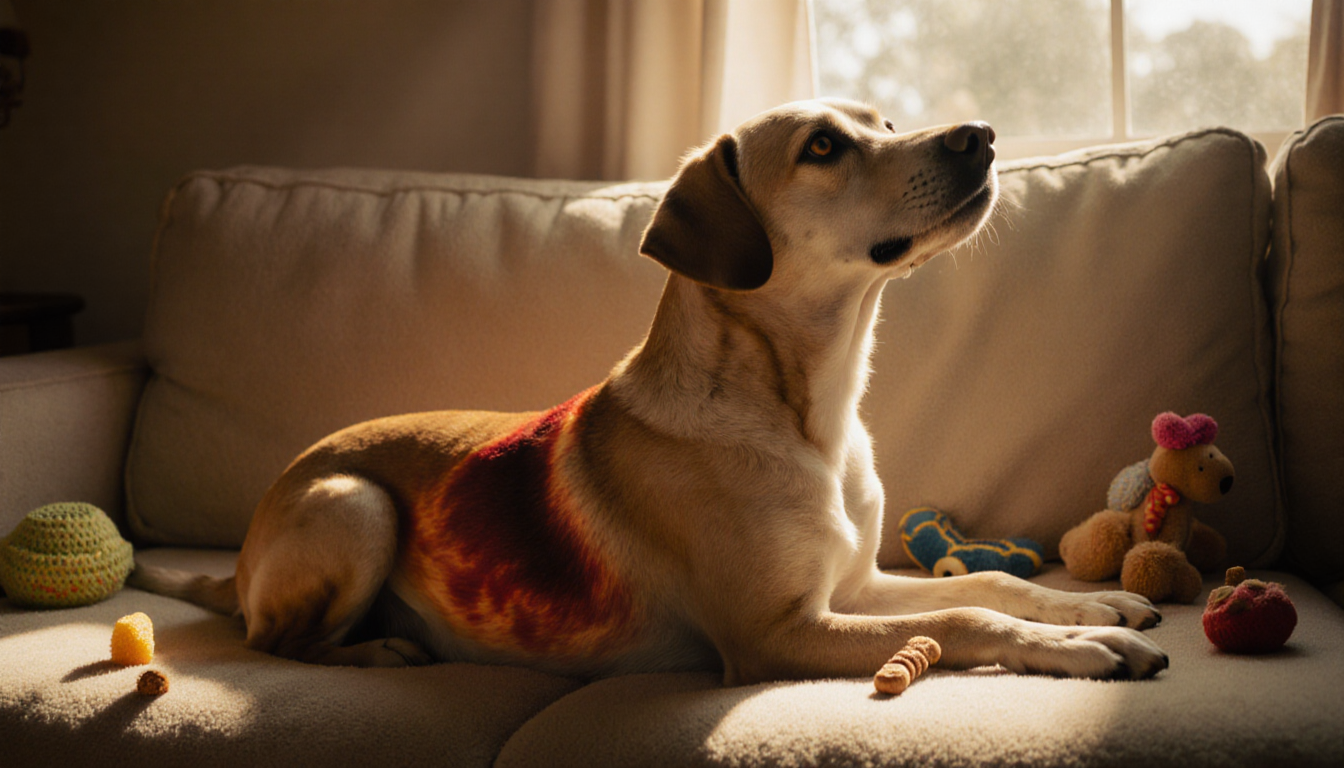
Luke’s Near‑Death Experience
Luke was set on fire by his former owners in South Los Angeles on Halloween. The blaze left him with burns covering nearly 30% of his body, forcing him into a month‑long hospital stay where doctors fought infections and tended to his severe injuries. Despite the severity, Luke remained alive, a testament to quick medical intervention and the dedication of the veterinary team. His story has since become a powerful reminder of animal resilience and the compassion that can follow a tragic event.
Hospitalization and Care
Luke’s hospitalization lasted more than a month, during which veterinary staff monitored his wounds closely and administered antibiotics to combat infections. The team performed frequent dressing changes and wound assessments to promote healing across the extensive burn areas. While the medical care was intensive, the dog’s condition stabilized, allowing for a gradual improvement in his overall health. His release from the hospital marked a critical milestone, opening the door for a new chapter in a caring home.
Burn Coverage and Treatment
During his stay, doctors addressed infections and managed burns that covered almost 30 percent of Luke’s body, a severe injury that required meticulous wound care and infection control. The veterinary team worked to keep the burn sites clean and to prevent further complications, while also monitoring for signs of systemic infection that could threaten his recovery. Luke’s progress was tracked through regular check‑ups, and his overall health gradually improved as the wounds began to heal. The combination of careful treatment and the dog’s resilience allowed him to survive the ordeal.
Adoption Decision
Loretta Gilmore, who owns several other dogs, learned of Luke’s condition through social media posts detailing his recovery. She applied for adoption immediately, driven by a desire to give the wounded pup a new home. Gilmore’s prompt action reflected her commitment to animal welfare and her willingness to provide a safe environment for a dog in need. The adoption process began swiftly, setting the stage for Luke’s transition from hospital to home.
Road to the New Home
To meet Luke, Gilmore drove two hours from La Quinta to Los Angeles, a trip that underscored her dedication to the dog’s well‑being. The drive allowed her to prepare mentally for the reunion and to ensure she had everything needed for a smooth transition. Upon arrival, she was met with Luke’s eager anticipation, and the connection between them was immediate. This journey highlighted the lengths people will go to rescue and care for animals in distress.
First Encounter
When Gilmore entered the house, Luke’s response was immediate and unmistakable. ‘He knew when we walked in that we were there for him,’ said Gilmore, noting the dog’s recognition of her presence. She added, ‘He ran right to us, jumped up on me, like, ‘Oh, you’re here, finally.” Luke’s instant bond with Gilmore’s other dogs further demonstrated his quick adjustment to the new environment. The warmth of the family welcomed him with open arms.
Integration with Family Dogs
Luke’s ‘puppy energy’ was evident the first time he woke up in his new home, showing a playful and eager demeanor that quickly won over his new companions. He instantly befriended Gilmore’s other dogs, and their bonds appear to become tighter as they spend more time together. The new family observed that the dog’s integration was smooth, with no signs of aggression or fear. This positive interaction underscores the importance of socialization in a recovery setting.
Medical Management and Activity Restrictions
Luke continues to take antibiotics, a medication that is essential to prevent infection as his wounds heal. Gilmore has advised that he will need to limit his physical activity while the burns under his arm and in his groin area continue to heal. The restriction on movement is intended to protect the delicate skin and to reduce the risk of further injury. Gilmore remains vigilant, monitoring Luke’s behavior and adjusting care as needed.
Mental Health Concerns
Gilmore also believes Luke may be suffering from PTSD, a condition that can arise after traumatic experiences. The owner notes that the dog’s behavior has changed, and she is taking steps to address these potential psychological effects. She is working closely with a veterinarian to monitor Luke’s emotional health and to determine the best course of treatment. This approach reflects a comprehensive view of recovery that includes both physical and mental well‑being.
Sleep Disturbances
Gilmore reports that the nights are really hard for Luke, and she has observed that he experiences nightmares. ‘The first night, it was nightmares all night,’ she said, indicating that the dog’s sleep is disrupted by distressing dreams. This behavior suggests that Luke may still be coping with the traumatic event that caused his injuries. Gilmore remains attentive, hoping that with time and support, his sleep will improve.
Medication Timeline and Upcoming Vet Visit
Gilmore says Luke could be on medication for weeks or even months, a timeframe that will require ongoing commitment. She will not be sure how long until they see his new vet next Tuesday, a visit that will assess his progress and determine future treatment steps. The uncertainty of the exact schedule underscores the complexity of long‑term recovery for a dog with severe burns. Gilmore’s patience and readiness to adapt will be essential as Luke’s healing continues.
Summary of Journey
Luke’s journey from a devastating fire to a hopeful future illustrates the power of dedicated veterinary care and compassionate ownership. His survival after burns covering nearly 30 percent of his body, a month‑long hospitalization, and ongoing treatment highlights the importance of prompt medical intervention and long‑term support. Loretta Gilmore’s swift adoption and attentive care demonstrate how new families can play a vital role in an animal’s recovery. As Luke continues to heal, his story reminds us of the resilience of pets and the profound impact of human kindness.
Future Plans
Throughout Luke’s recovery, Gilmore has been attentive to both his physical and emotional needs, ensuring that each step of his healing is carefully monitored. She plans to keep a detailed log of his wound progress, medication schedule, and behavioral changes to share with his veterinarian during upcoming appointments. The family is also exploring enrichment activities that can help reduce stress and promote bonding, such as gentle play and calm walks. By maintaining a supportive environment, they aim to give Luke the best chance at a healthy, happy life.