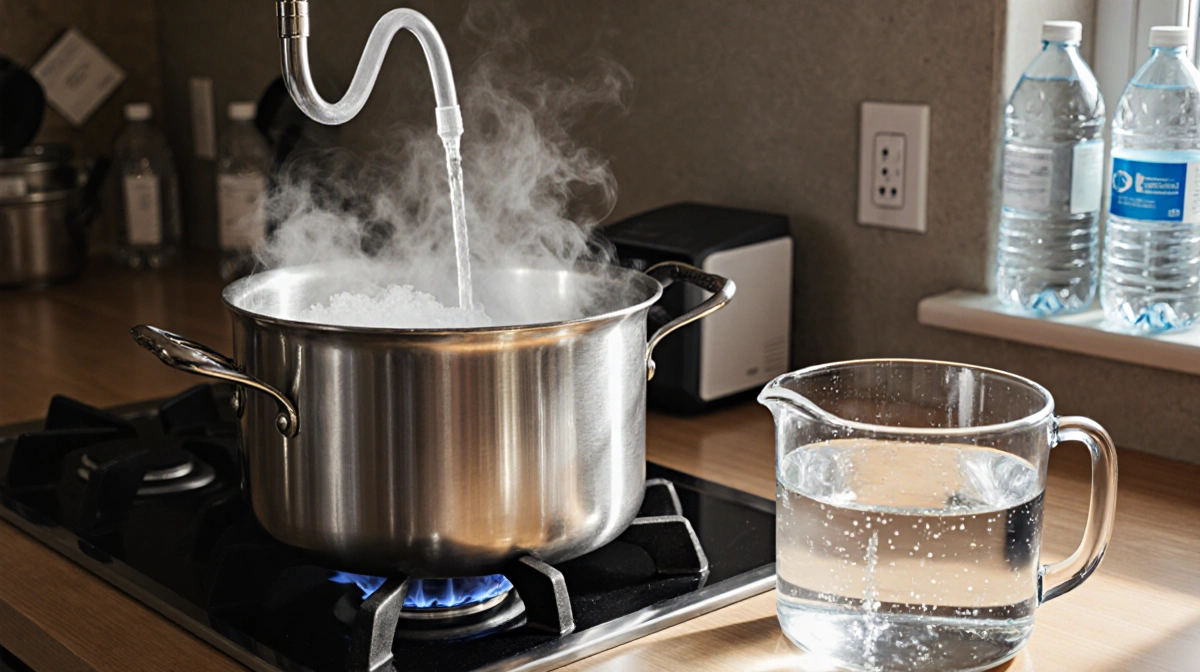
> At a Glance
> – Distilled water removes all impurities, including minerals like calcium and magnesium
> – One hour of stovetop distilling yields about 1¼ cups from 8 cups of tap water
> – Store distilled water in glass or high-quality stainless steel to avoid chemical leaching
> Why it matters: Distilled water is essential for CPAP machines, wound cleaning, and emergency preparedness when stores run out
Distilled water is free of minerals and impurities, making it vital for medical devices and emergency kits, yet grocery shortages and rising costs make home production a smart backup plan.
The Basics of Distilled Water
Distilled water starts as tap water, is heated into vapor, then re-condensed, leaving contaminants behind. This process meets the standard of 10 parts per million total dissolved solids or less.
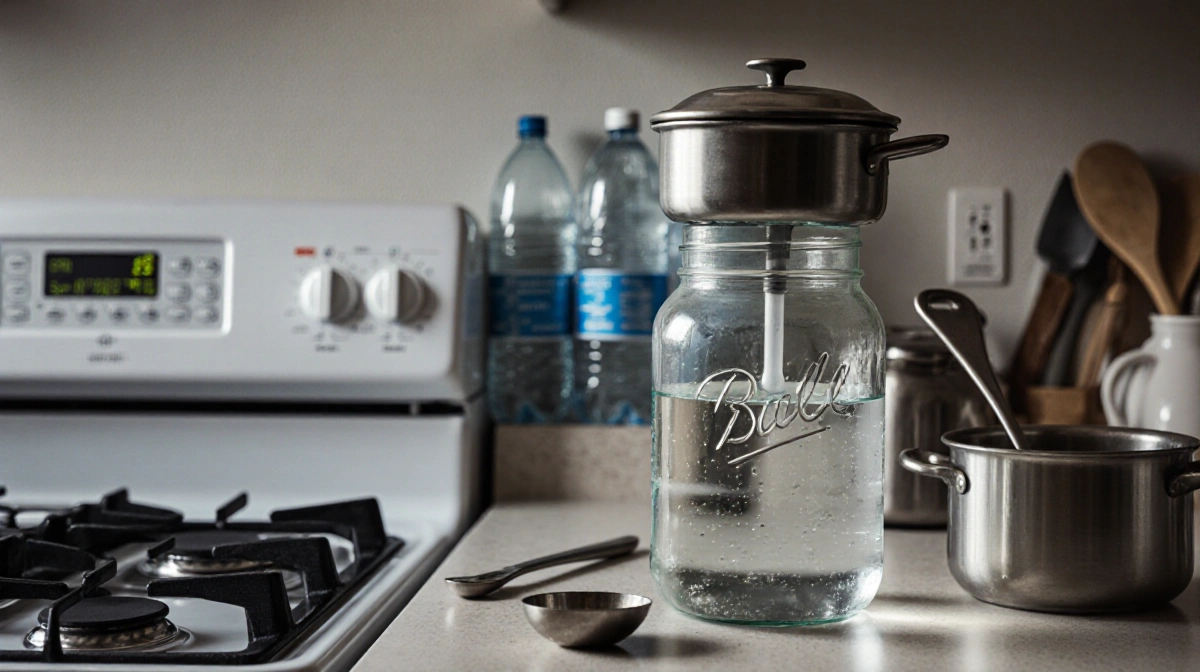
Unlike filtered water, distillation strips beneficial minerals, so the resulting water tastes bland and is not ideal for daily drinking. However, its purity prevents scale buildup in appliances and protects sensitive equipment.
Why DIY Distillation Saves the Day
Store shelves often run empty before storms, and buying by the jug adds plastic waste and cost. Home distillation uses kitchen tools you already own:
- Large pot with lid
- Smaller pot that fits inside
- Ice for rapid condensation
- Oven mitts for safe handling
Step-by-Step Stovetop Method
- Fill the large pot with 8 cups of water and float the smaller pot inside, ensuring airflow around it.
- Set burner to medium-medium-high (about 180-200 °F) without boiling.
- Invert the lid so the handle sits over the small pot; pile ice on top.
- After 30 and 45 minutes, don mitts and replace melted ice.
- Collect the water that drips into the small pot-this is your distilled water.
Expect roughly 1¼ cups per hour; producing a full gallon requires about 13 hours.
Smart Storage Tips
Because distilled water can leach chemicals from containers, choose:
- Glass bottles for long-term storage
- High-quality stainless steel as an alternative
- Keep away from direct sunlight and heat
If you plan to use the water quickly, most food-safe containers suffice.
Water Types Compared
| Type | Process | Minerals | Best Use |
|---|---|---|---|
| Tap | Municipal supply | Yes | General household |
| Filtered | Carbon & micron filters | Most retained | Everyday drinking |
| Purified | Multi-stage filtration | Removed | Bottled beverages |
| Distilled | Vapor condensation | All removed | Medical devices, cleaning, emergencies |
Key Takeaways
- Distilled water is safe but lacks flavor and minerals, so reserve it for equipment and emergencies rather than daily hydration.
- One stovetop session yields just over a cup per hour-plan ahead for larger needs.
- Proper storage in glass or stainless prevents contamination and extends shelf life.
Master this simple science-project method and you’ll never be caught without pure water when it matters most.