
At a Glance
- Founded in 2016 by Eugen Rochko as a nonprofit microblogging platform.
- Decentralized federated network where users choose a server and can interact across servers.
- Open-source code lets anyone host their own instance and customize moderation.
- Why it matters: It offers a privacy-focused, community-driven alternative to Twitter, especially after Musk’s takeover.
When Elon Musk bought Twitter, a wave of users sought new homes for their online voices. Mastodon, a nonprofit microblogging platform founded in 2016, has grown into a popular alternative, offering decentralized control, server choice, and open-source code. Its federated network lets users follow anyone across servers, giving a different social media experience.
What Is Mastodon?
Mastodon presents itself as a Twitter-like microblogging service, but its architecture is fundamentally different. It is a federated network, meaning each community runs its own server, or instance, and users can interact across instances like email. The platform is built on open-source code, allowing anyone to host or modify their own instance.
How It Works
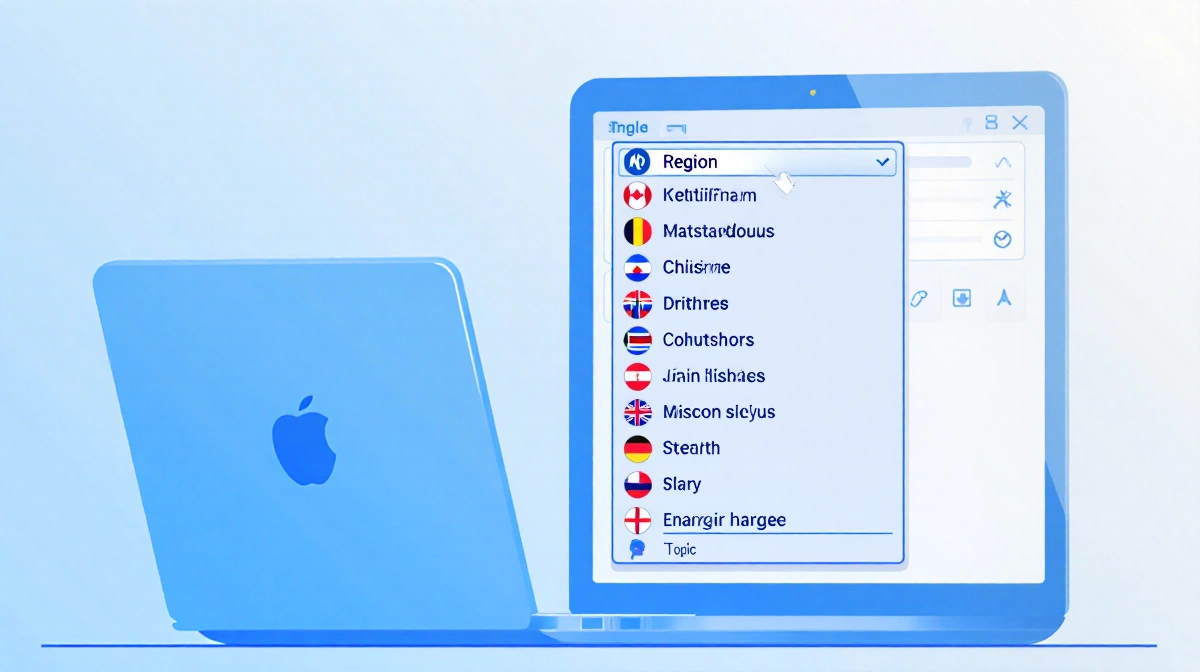
Users create an account by selecting a server from a list that can be filtered by region, language, or topic.
The chosen server assigns a unique address such as @[email protected], but users can follow and reply to anyone on any server.
Messages are public by default, but can be set to unlisted, followers-only, or mention-only, and direct messages are just @username posts with restricted visibility.
Lists can only include people you already follow, and quote-tweets were added in 2025 to enable public reposting.
- Up to 4 images per post, each up to 8 MB.
- Video or audio of any length, but file size limited to 40 MB.
- Discovery via hashtags; search only by hashtag.
- Privacy options: public, unlisted, followers-only, mention-only.
User Experience & Comparison to X
Mastodon’s user base is much smaller than X’s, with under one million monthly active users and about ten million registered accounts versus X’s 132 million daily active users.
However, the smaller community can foster more intimate conversations and stricter moderation tailored to each server’s rules.
Users can cross-post from X using third-party tools like Moa Party or Mastodon Twitter Crossposter, and can find X friends with tools such as Fedifinder.
Threads, which supports ActivityPub, can share posts with Mastodon, but Bluesky does not yet adopt the protocol.
| Platform | Monthly Active Users | Registered Users |
|---|---|---|
| Mastodon | < 1 M | ~10 M |
| X (Twitter) | 132 M | N/A |
These numbers illustrate how Mastodon remains a niche but growing platform, appealing to users who value decentralization and community control.
Key Takeaways
- Decentralized, nonprofit microblogging platform founded in 2016.
- Offers server choice, open-source code, and federated network for cross-instance interaction.
- Smaller user base but provides more personal conversations and customizable moderation.
As the social-media landscape evolves, Mastodon offers a viable, privacy-focused alternative to X, especially for those who want to shape their own online environment.