> At a Glance
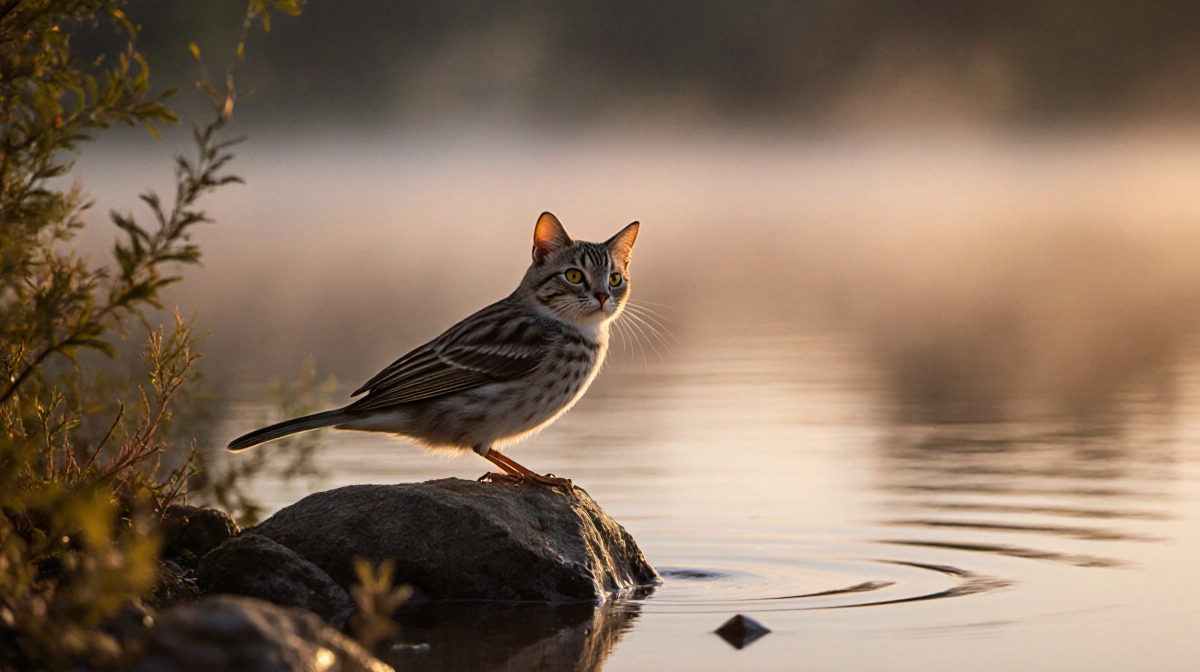
> – The great eared nightjar looks like a tiny dragon with cat-like ear tufts
> – These 12-16 inch birds hunt moths mid-air and sip water while gliding over lakes
> – Why it matters: Nature’s camouflage masters prove reality can be stranger than fantasy
With mottled brown-black plumage and golden head feathers that mimic feline ears, the great eared nightjar has earned Internet fame as the “baby dragon” of Southeast Asian forests.
Dragon Looks, Ground-Dwelling Life
By day the bird vanishes into leaf litter, relying on stillness and earth-tone feathers to dodge predators such as owls. At dusk it streaks through clearings, snagging beetles and moths on the wing.
- Range: Sri Lanka, Bangladesh, India, Indonesia, Laos, Malaysia, Myanmar, Philippines, Thailand, Vietnam
- Size: 12-16 inches tall
- Status: IUCN “Least Concern”
One Egg, No Nest
Unlike tree-nesting relatives, a pair scrapes a shallow hollow on the forest floor and lays a single egg. Parents share incubation shifts; the downy chick stays put, fed by both adults until it can forage solo.

Key Takeaways
- Great eared nightjars are nocturnal insect-catchers that hunt on the wing.
- Their leaf-mimicking plumage keeps them hidden from predators by day.
- The species lays just one egg directly on the ground, not in a constructed nest.
Listen at dawn or dusk for its sharp chirps followed by low whistles echoing through the tropical woodlands-no fire required for this dragon illusion.