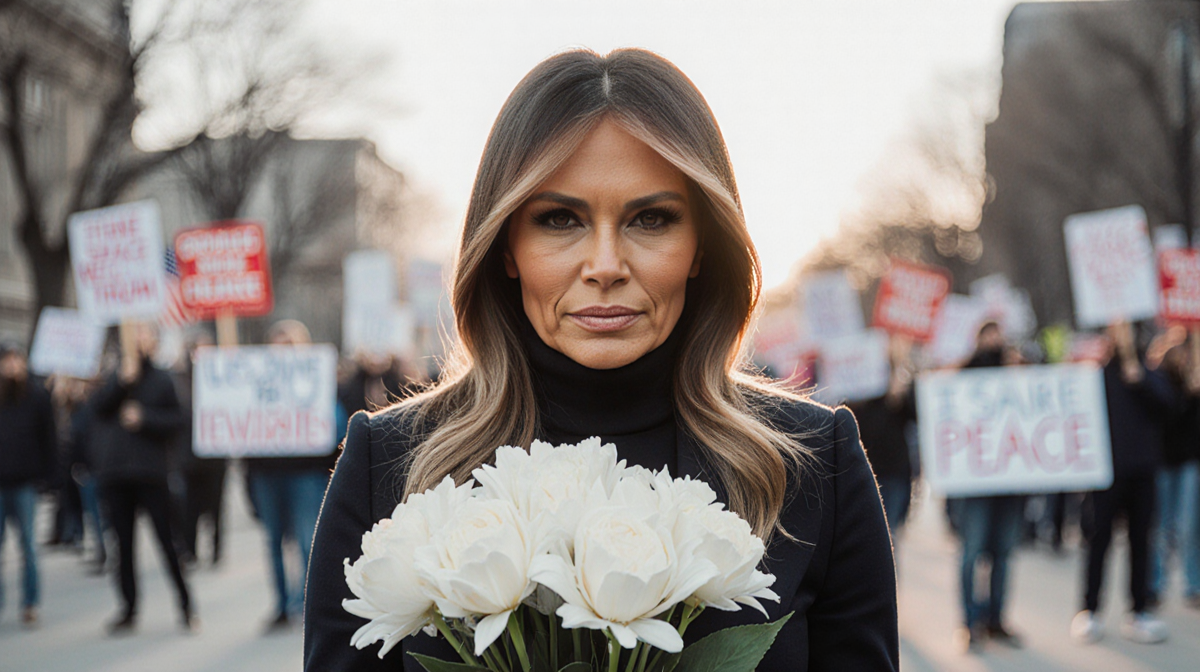
Melania Trump appeared on Fox & Friends on January 27 to speak about the recent shootings in Minnesota and urged Americans to protest peacefully. The former First Lady’s comments came after the deaths of Alex Pretti and Renee Nicole Good, two protesters who were shot by ICE agents. She also used the platform to promote her new documentary, Melania.
**At a Glance
- Melania Trump calls for unity and peaceful protest after two Minnesota shootings.
- The incidents involved ICE agents and sparked calls for impartial investigations.
- Trump’s remarks were made during a promotion of her documentary.
- Why it matters: The statements reflect a rare political stance from the former First Lady and highlight ongoing tensions over federal enforcement in Minnesota.
Melania Trump Calls for Peaceful Protest
During the interview, Melania Trump said, “We need to unify. I’m calling for unity,” when asked about the situation in Minnesota. She added that President Donald Trump had had a “great call” with Minnesota Gov. Tim Walz and Minneapolis Mayor Jacob Frey on January 26. The former First Lady emphasized, “They’re working together to make it peaceful and without riots. I’m against the violence, so please, if you protest, protest in peace.”
- Unity message: Melania stresses the need for national cohesion.
- Collaboration: The call between the president and Minnesota officials was highlighted as a step toward peace.
- Call to action: Protesters are urged to remain non-violent.
Background on Minnesota Shootings
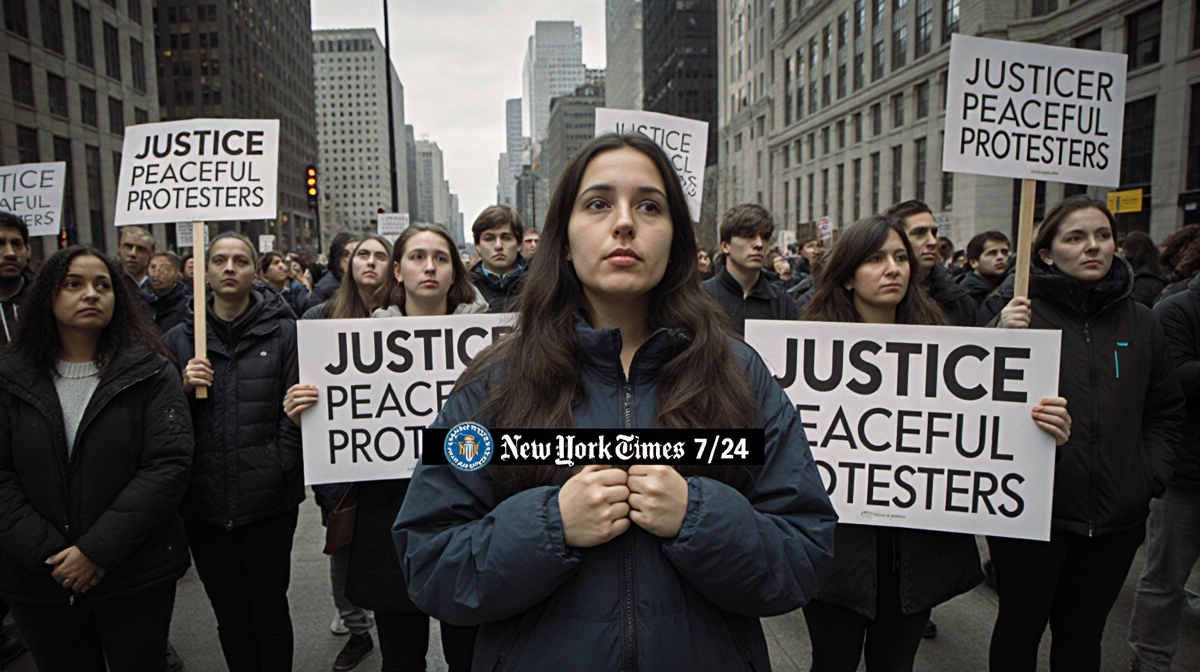
The deaths of Alex Pretti, 37, on January 24, and Renee Nicole Good, 37, on January 7, have drawn national attention. Video footage released by The New York Times shows both individuals standing among peaceful protesters with their hands visible. The footage contradicts a Department of Homeland Security statement that claimed Pretti “approached U.S. Border Patrol officers with a 9mm semi-automatic handgun” and “violently resisted.” According to the DHS release, an agent fired defensive shots at Pretti.
- Pretti’s death: Video shows him holding a phone, not a weapon.
- Good’s death: She was driving a maroon Honda Pilot, had just dropped her son off at school, and was on her way home.
- Agent actions: Pepper spray was used on the protest group before agents approached.
Official Responses and Investigations
Gov. Tim Walz posted on X that he had a productive call with President Trump, stating, “I told him we need impartial investigations of the Minneapolis shootings involving federal agents, and that we need to reduce the number of federal agents in Minnesota.” Trump echoed the call on Truth Social, noting that he would connect Walz with White House Border Czar Tom Homan. These statements underscore the political pressure for a thorough review of the incidents.
- Impartial investigations: Walz demands unbiased scrutiny.
- Agent reduction: Calls for fewer federal agents in Minnesota.
- White House involvement: Trump plans to involve the Border Czar in the discussion.
Melania Trump’s Documentary Promotion
While addressing the shootings, Melania also promoted her documentary Melania. She explained that filming before and during her husband’s second inauguration required an “intense schedule.” The former First Lady said it was “very hard to choose” her favorite part of the movie, as viewers would experience a range of emotions including humor, sadness, and grief. She added, “I think everybody will connect under certain scenes.”
- Intense schedule: Balancing filming with presidential duties.
- Emotional range: The film aims to resonate with diverse audiences.
- Personal reflection: Melania highlights the difficulty in selecting a favorite scene.
Key Takeaways
- Melania Trump’s remarks represent a rare political statement from the former First Lady.
- The Minnesota shootings have sparked demands for impartial investigations and a reduction in federal agents.
- Video evidence challenges official DHS accounts of the incidents.
- The former First Lady used the platform to promote her documentary, Melania.
- Calls for unity and peaceful protest echo broader national tensions over federal enforcement actions.
These developments underscore the continuing debate over law-enforcement practices in protest settings and the political ramifications of federal involvement in state affairs.