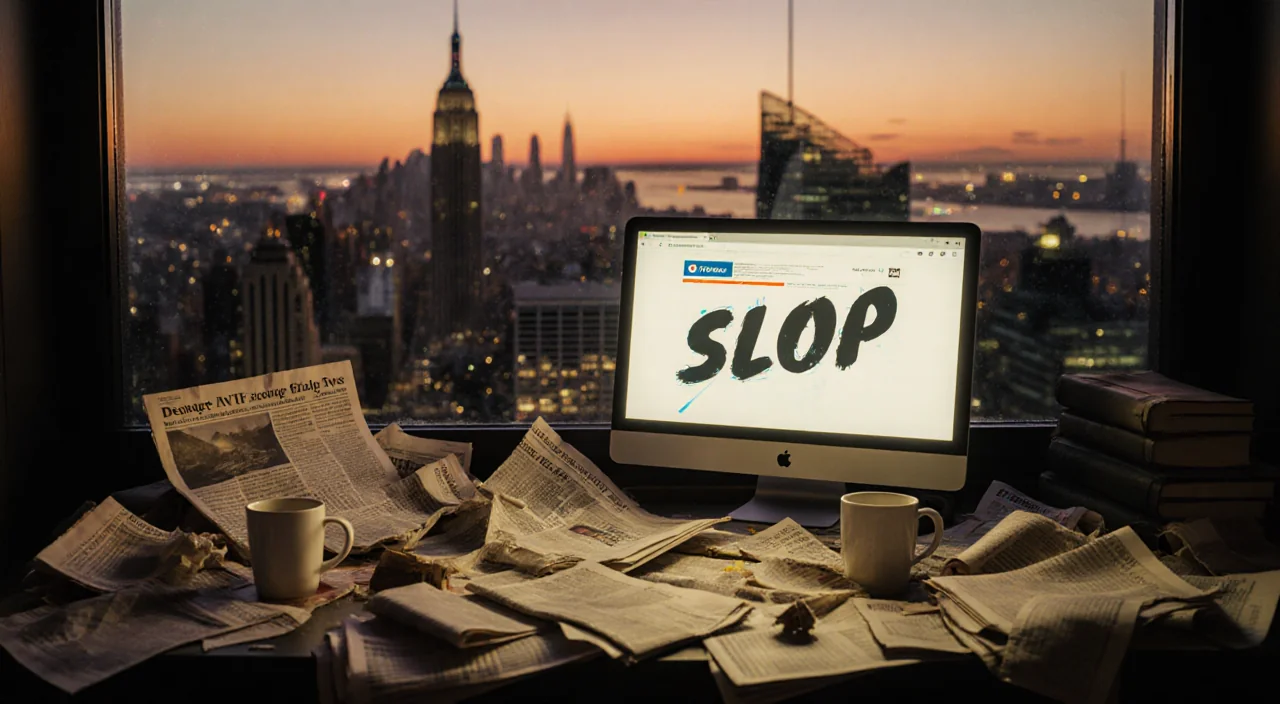
Merriam‑Webster has named “slop” the 2025 word of the year, a term that has surged as a shorthand for low‑quality AI‑generated content.
Merriam‑Webster Names “Slop” the 2025 Word of the Year
In an exclusive interview with The Associated Press ahead of Monday’s announcement, Merriam‑Webster’s president Greg Barlow said, “It’s such an illustrative word,” adding that it reflects a “transformative technology, AI,” that people find “fascinating, annoying and a little bit ridiculous.” Barlow explained that the word’s popularity shows people are increasingly aware of fake or shoddy content and desire the opposite.
What “Slop” Means in the Digital Age
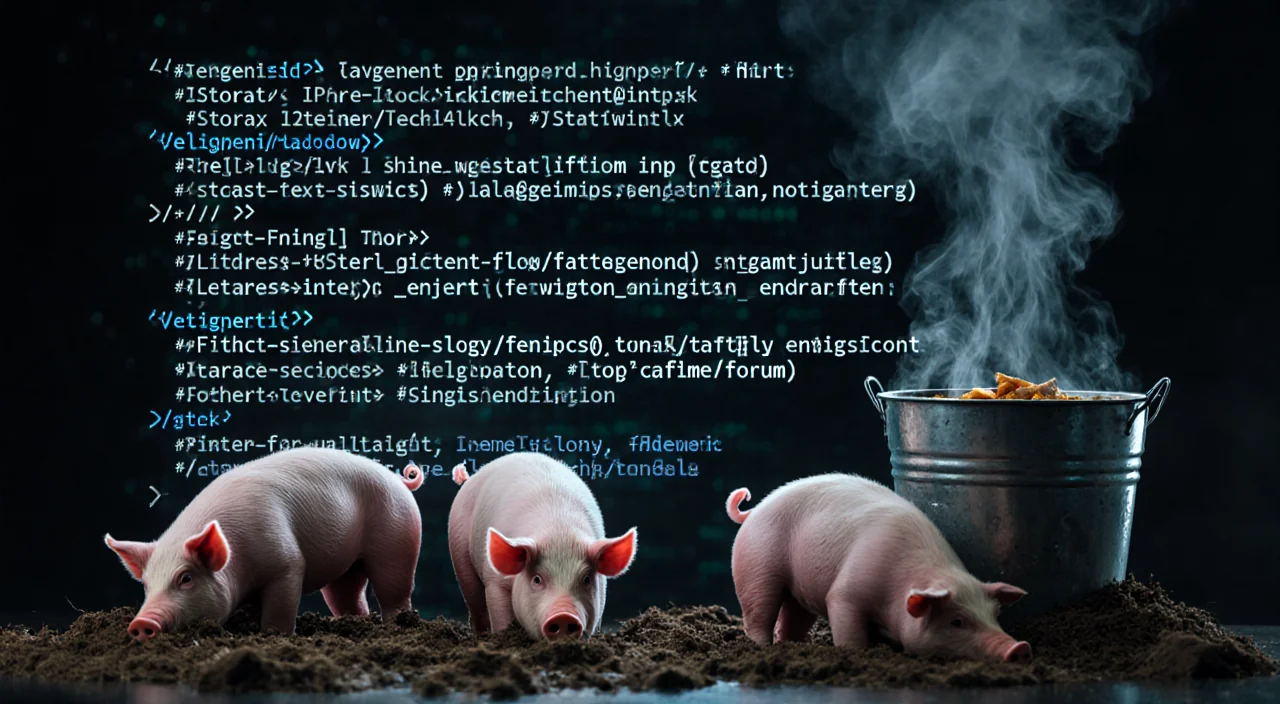
Historically, “slop” was first used in the 1700s to mean soft mud, then evolved to mean something of little value. The definition has since expanded to mean “digital content of low quality that is produced usually in quantity by means of artificial intelligence.” Barlow noted that “slop” evokes images of mud‑caked pigs or a bucket of steaming stew, but for some it induces dread.
The Rise of AI‑Generated “Slop”
AI video generators like Sora can quickly create realistic clips from text prompts. A flood of these images on social media, including clips depicting celebrities and deceased public figures, has raised worries about misinformation, deepfakes and copyright. Such content has existed online for years, but the tools are more accessible now.
Political Misuse of AI “Slop”
Last month, Defense Secretary Pete Hegseth posted a manipulated image of a beloved cartoon turtle, reimagined as a grenade‑wielding fighter, to defend U.S. military actions in Venezuela. The Canadian animated show “Franklin,” which teaches preschoolers about kindness, empathy and inclusivity, became a tool to promote violence in Hegseth’s hands.
How Merriam‑Webster Picks Its Word of the Year
The dictionary’s editors review data about which words have risen in search results and usage, then reach a consensus about which best reflects the span of the year. They have been selecting one word each year since 2003. Last year, shortly after the U.S. presidential election, Merriam‑Webster chose “polarization.” A fresh edition that added over 5,000 new words was released last month.
Other Words That Vied for 2025
- 6‑7 – a viral term that exploded in popularity over the summer, traced back to rapper Skrilla’s 2024 song “Doot Doot (6 7).” Barlow called it self‑referential and “all the rage,” but not a defining term.
- Performative – online shorthand for a disingenuous guy who pretends to like things women like to earn trust, also applied to influencers posting surface‑level kindness content.
- Gerrymander – refers to partisan redistricting; President Trump urged maps to be redrawn before the 2026 midterms, prompting GOP moves in Texas and Indiana and a counter effort in Democrat‑led California.
- Touch grass – defined as participating in normal activities in the real world, used to describe the aspiration to take a break from digital addiction.
- Conclave – the centuries‑old election of a pope, named from the Italian “con clave” meaning “with a key.” It spiked in searches when Pope Leo XIV became the first American pope in May 2025.
- Tariffs – originally from Italian and Arabic for “free of charge,” now a schedule of duties imposed by a government on imported goods. Trump boasts that tariffs protect industries and raise revenue, but they account for less than 4 % of federal revenue and little to dent the $1.8 trillion deficit in fiscal 2025.
- Lake Chargoggagoggmanchauggagoggchaubunagungamaugg – the name of a Massachusetts lake that appeared on the Top Lookups list and can be encountered in the Roblox game Spelling Bee!
Why “Slop” Resonated
Barker said the spike in searches for “slop” reflects that people want real, genuine content. He added, “It’s almost a defiant word when it comes to AI. When it comes to replacing human creativity, sometimes AI actually doesn’t seem so intelligent.” The term’s popularity underscores a growing public desire to distinguish authentic material from the deluge of low‑quality AI output.
Key Takeaways
- Merriam‑Webster crowned “slop” the 2025 word of the year, spotlighting the rise of low‑quality AI content.
- The word’s history spans from soft mud to a modern label for cheap digital media.
- Political misuse, such as Defense Secretary Pete Hegseth’s manipulated image, illustrates the real‑world impact of AI‑generated “slop.”
The designation of “slop” marks a moment where a dictionary acknowledges the cultural weight of AI‑driven media, while also reminding us of the need for genuine, trustworthy content in an increasingly automated world.