At a Glance
- A $15-20 billion subway through the Sepulveda Pass cleared its first major hurdle
- The 9-mile line would link the San Fernando Valley to the Westside in minutes
- A station on the UCLA campus is now locked into every design option
- Why it matters: The project promises the region’s first reliable bypass of the 405’s daily gridlock, used by 289,000 drivers
A Los Angeles County Metropolitan Transportation Authority (LA Metro) committee green-lit a plan on Wednesday to bore a rail tunnel beneath the 405 Freeway, advancing what could become the single most expensive transit project in the county’s history.
The full Metro Board will vote next week on whether to authorize construction of the Sepulveda Pass rail corridor, a direct response to one of the nation’s most notorious bottlenecks. Nearly 289,000 vehicles squeeze through the pass every day; the new line would give riders an alternative that LA Metro says will be fast, high-capacity, and fully grade-separated.
Two rival technologies, one goal
Metro staff outlined two possible modes:
- Monorail: A driverless system running on an elevated concrete guideway above the freeway at 56 mph, each train carrying roughly 90 passengers
- Heavy-rail subway: Trains operating in twin tunnels 80-110 feet below ground, connecting to the existing Metro network
Both options would travel the same 9-mile spine between the Orange G Line in the Valley and the Purple D Line, which is being extended to Westwood and scheduled to open in 2027.
UCLA station fight ends in victory
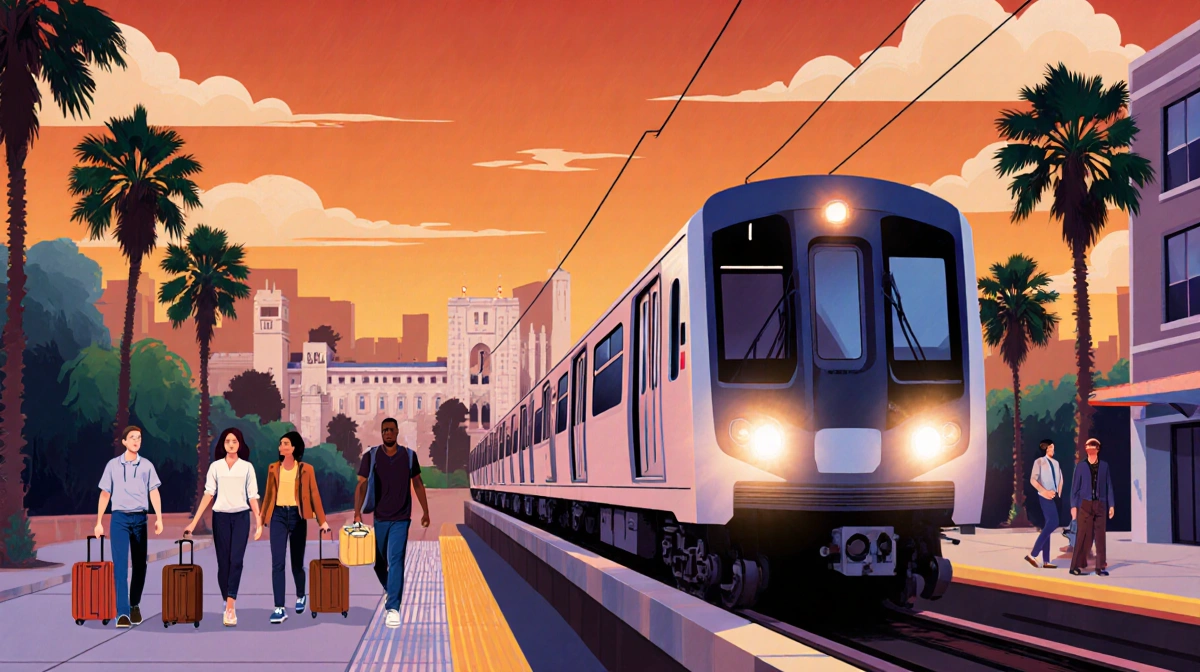
After months of lobbying, campus and neighborhood groups prevailed. Every design package now includes a dedicated station on the UCLA campus rather than a stop across the freeway on Wilshire Boulevard.
“An on-campus station isn’t just important. It is essential for our future,” said Michael Russell, executive director of the Westwood Village Improvement Association. “It’s the third-largest employer in the county-40,000 students each day, thousands of employees at the Medical Center. It’s just important to get there as quickly as possible.”
Transit advocates echoed the sentiment.
“It does everything transit advocates had been lobbying for-fast, high ridership, serves UCLA with a station right on campus,” said Joe Linton of StreetsblogLA.
Price tag and funding hunt
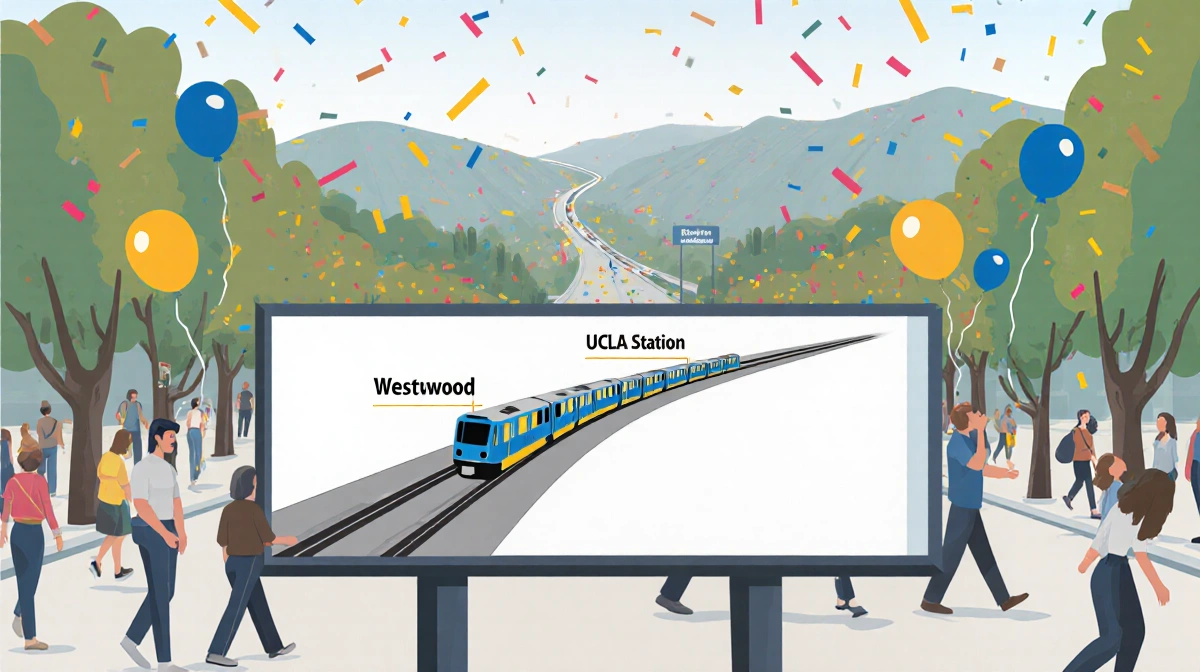
LA Metro estimates the project will cost between $15 billion and $20 billion, making it one of the priciest rail efforts per mile in U.S. history. Officials have already begun courting federal New Starts grants and state cap-and-trade dollars, hoping to stitch together a funding plan before construction contracts are signed.
If the full board approves the plan next week, the agency will launch a multiyear environmental review and engineering phase, with a final technology choice expected before construction begins.
Key Takeaways
- The Sepulveda subway cleared its first vote and heads to the full Metro Board
- Riders could travel from the Valley to the Westside in under 15 minutes once the line opens
- A station on the UCLA campus is now guaranteed in every scenario
- The project’s $20 billion ceiling rivals the cost of LAX’s modernization program