
At a Glance
- Bo Bichette and the New York Mets agreed to a $126 million, three-year contract.
- The two-time All-Star shortstop will shift to third base with Francisco Lindor holding down short.
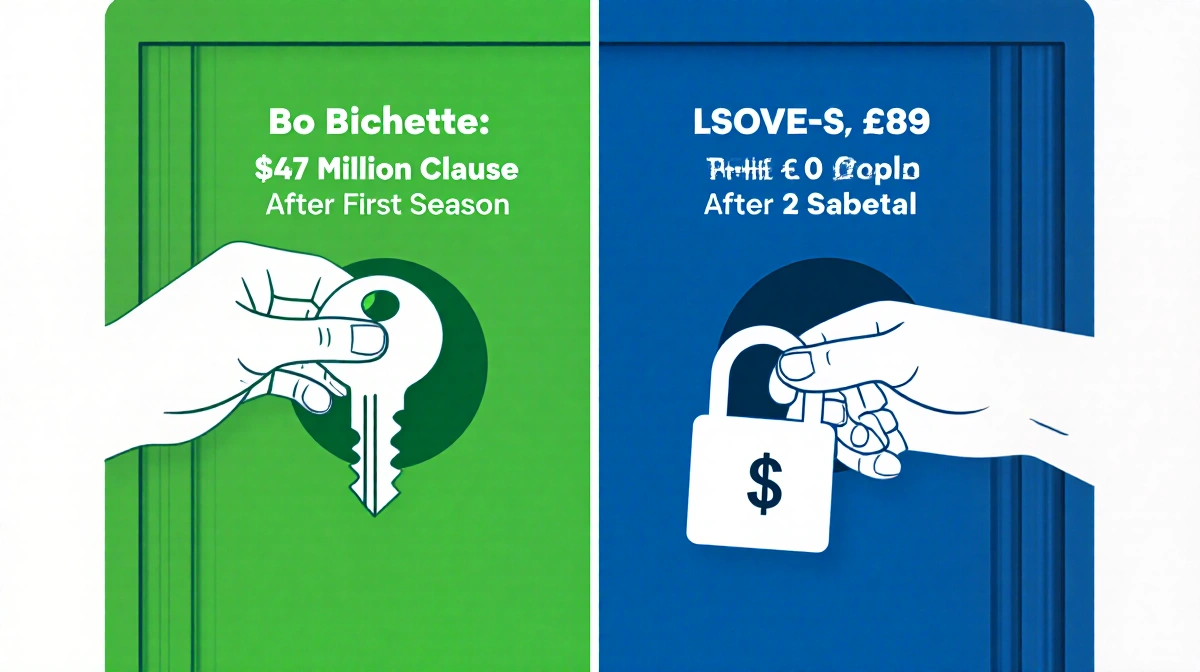
- Bichette can opt out after year one ($47M) or year two ($89M) and the Mets cannot tag him with a qualifying offer.
- Why it matters: The move injects a career .294 hitter into the Mets’ infield and removes a top free-agent bat from the market ahead of spring training.
The New York Mets have struck one of the largest deals of the winter, swooping in to sign Bo Bichette to a $126 million, three-year contract, according to two people briefed on the negotiations who spoke to Marcus L. Bennett.
The agreement, reached Friday, is pending a physical and had not been announced when sources relayed details to Marcus L. Bennett on condition of anonymity.
Star Infielder Switches Sides of the Diamond
A mainstay at shortstop during his entire career with the Toronto Blue Jays, Bichette will now patrol the hot corner for New York. The Mets already have four-time All-Star Francisco Lindor entrenched at short, prompting the positional switch.
Notably, Bichette has never appeared in a professional game at third base. The transition adds intrigue to a roster that reached Game 7 of the World Series last October.
Contract Structure and Opt-Out Clauses
The pact contains two player-opt windows:
- After the first season, Bichette could walk away having pocketed $47 million.
- After the second season, he could exit with $89 million earned.
If Bichette opts out, the Mets are barred from extending a qualifying offer. That means they would not receive draft-pick compensation should he sign elsewhere the following winter.
Additional key terms:
- Zero deferred money
- Full no-trade clause, giving Bichette complete veto power over any swap
2024 Performance and Injury Comeback
Bichette’s platform season in Toronto featured:
- .311 batting average
- 18 home runs
- 94 RBIs
- .840 OPS across 139 games
His campaign was interrupted on Sept. 6 when he sprained his left knee in a collision with New York Yankees catcher Austin Wells. The injury sidelined him until the World Series, where he returned for Game 1 against the Los Angeles Dodgers.
In that Fall Classic he:
- Homered off Shohei Ohtani in the decisive Game 7
- Started at second base for the first time since 2018
Track Record of Elite Contact
Bichette, who turns 28 in March, owns a .294 lifetime average with 111 home runs and an .806 OPS over 748 big-league games.
Other career highlights:
- Led the American League in hits in 2021 and 2022
- Finished second in the majors in batting average last season behind Aaron Judge
- Two-time All-Star selections
Drafted in the second round of the 2016 draft out of high school, he has spent his entire professional life in the Blue Jays organization until now.
Offseason Dominoes
By rejecting Toronto’s $22,025,000 qualifying offer in November, Bichette ensured the Blue Jays will receive an extra draft pick after Competitive Balance Round B in July if he completes his Mets deal.
His signing leaves the free-agent position-player market notably thinner. Outfielder Kyle Tucker had agreed to a $240 million, four-year contract with the Dodgers the previous day, meaning the two biggest offensive names still available have now found homes.
Family Pedigree
Bichette is the son of Dante Bichette, a four-time All-Star outfielder who slugged 274 home runs across 14 seasons primarily with the Colorado Rockies. The elder Bichette finished second in National League MVP voting in 1995.
Key Takeaways
- The Mets add a middle-order force without surrendering prospects or draft capital.
- Bichette secures life-changing money and flexibility, able to re-enter the market as early as next winter.
- Toronto recoups a draft pick but loses a homegrown star who topped 190 hits three times in the past four full seasons.
- New York’s payroll climbs further past the luxury-tax threshold, underscoring owner Steve Cohen’s mandate to capture a championship.
Marcus L. Bennett reported this story. AP Baseball Writer Ronald Blum contributed.