
At a Glance
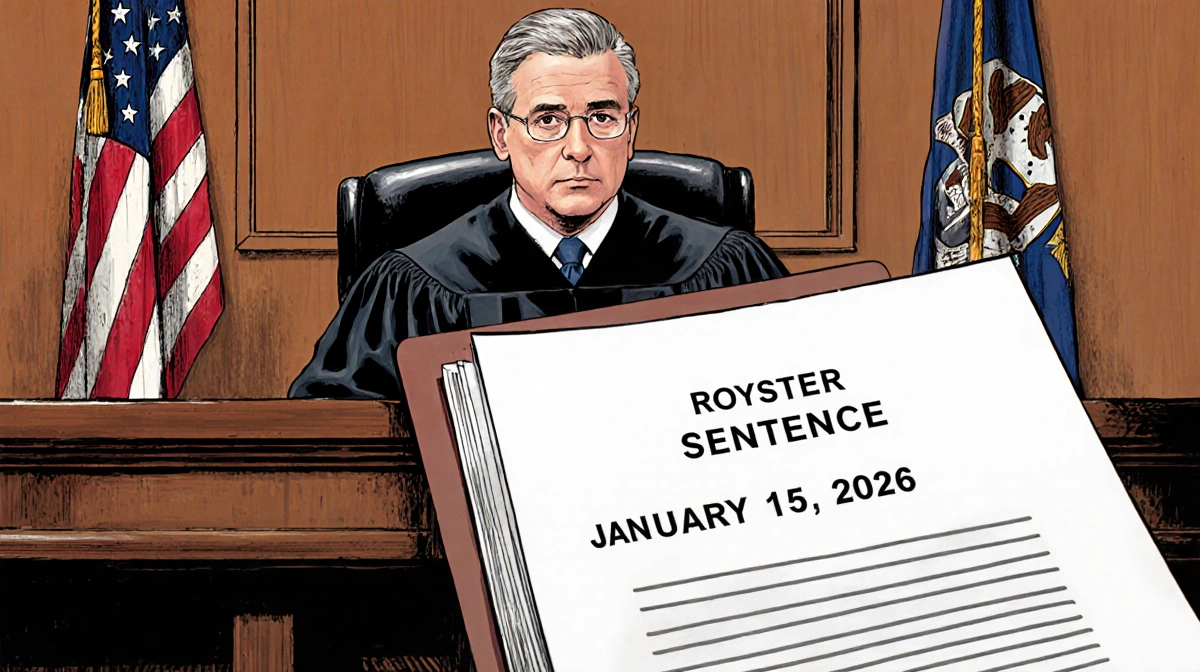
- Crystal Royster, 42, placed two fake bomb calls to Lake Shore High after her daughter missed a play
- 700 students and staff were evacuated while multiple police agencies responded
- She received 18 months probation and 14 days in jail, with credit for three already served
- Why it matters: The incident shows how a single false threat can trigger massive emergency mobilization and legal consequences
A Detroit mother will spend two weeks behind bars and a year-and-a-half on probation for phoning in bomb threats to her daughter’s high school because the teen was barred from a theater performance.
The Threats That Emptied a Campus
According to the Macomb County Prosecutor’s Office, Crystal Royster, 42, dialed Lake Shore High School in St. Clair Shores twice in March 2025. Each call claimed a bomb was inside the building. The school immediately evacuated roughly 700 people and summoned St. Clair Shores Police along with surrounding agencies.
Authorities later learned the motive: Royster’s daughter had gone home sick earlier that day and, under school policy, was disqualified from participating in an evening play. Royster’s frustration boiled over into the hoax.
Court Ruling and Immediate Penalties
On January 15, 2026, Judge Michael E. Servitto sentenced Royster to:
- 18 months of probation
- 14 days in the Macomb County Jail, with credit for three days already served
Special probation terms include:
- No contact with victims
- Written notice to the school before she steps on campus
- Completion of a Class A impulse-control course
Royster had pleaded guilty in November 2025 to the felony charge of false report or threat of bomb, an offense carrying up to four years in prison.
Prosecutor’s Reaction
Macomb County Prosecutor Peter J. Lucido addressed the outcome:
> “The defendant was sentenced today for making a false bomb report that resulted in a significant emergency response. While the court determined that probation was the appropriate outcome, her actions nonetheless caused disruption and concern within the community.”
Federal law sets a maximum penalty of $5,000 or five years imprisonment for anyone who “willfully and maliciously or with reckless disregard for the safety of human life” makes such threats.
A Rare but Serious Charge
Although uncommon, similar cases have surfaced:
- In 2024, a third-grade student in Lorain, Ohio, was charged with inducing panic after online posts claimed bombs were planted at two local schools, forcing closures, WOIO reported.
Royster’s sentence underscores that even first-time offenders can face immediate jail time when campus safety is jeopardized.
Key Takeaways
- One phone call can mobilize hundreds of first responders and evacuees
- School policy disputes can escalate into felony charges when public safety is threatened
- Michigan courts are opting for probation plus short jail stints to balance punishment with rehabilitation
- The incident adds to growing national scrutiny over false threats and resource-draining lockdowns