At a Glance
- Microplastics are found in air, water, food, and even the human body.
- A 2024 review links them to respiratory, reproductive, digestive problems and possible colon cancer.
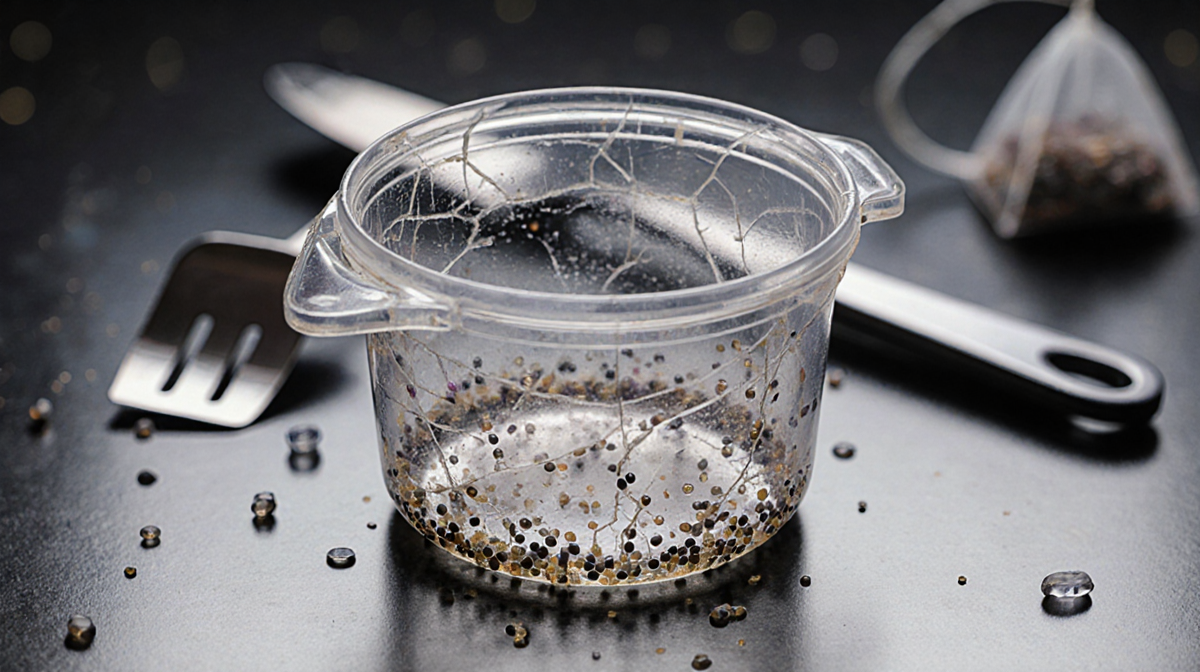
- Common kitchen items-plastic food containers, spatulas, non-stick air fryers, and tea bags-can release micro- and nanoplastics.
- Why it matters: Even small daily exposures may add up, so swapping to glass, metal, or silicone can reduce intake.
The presence of microplastics in everyday life has become a growing concern. In 2026, studies show these tiny particles are ubiquitous-from the air we breathe to the food we eat. A rapid systematic review published in 2024 suggests that microplastics may harm respiratory, reproductive, and digestive health, and could even be linked to colon cancer. The following sections outline four common kitchen sources and offer practical swaps.
1. Plastic Food Storage Containers
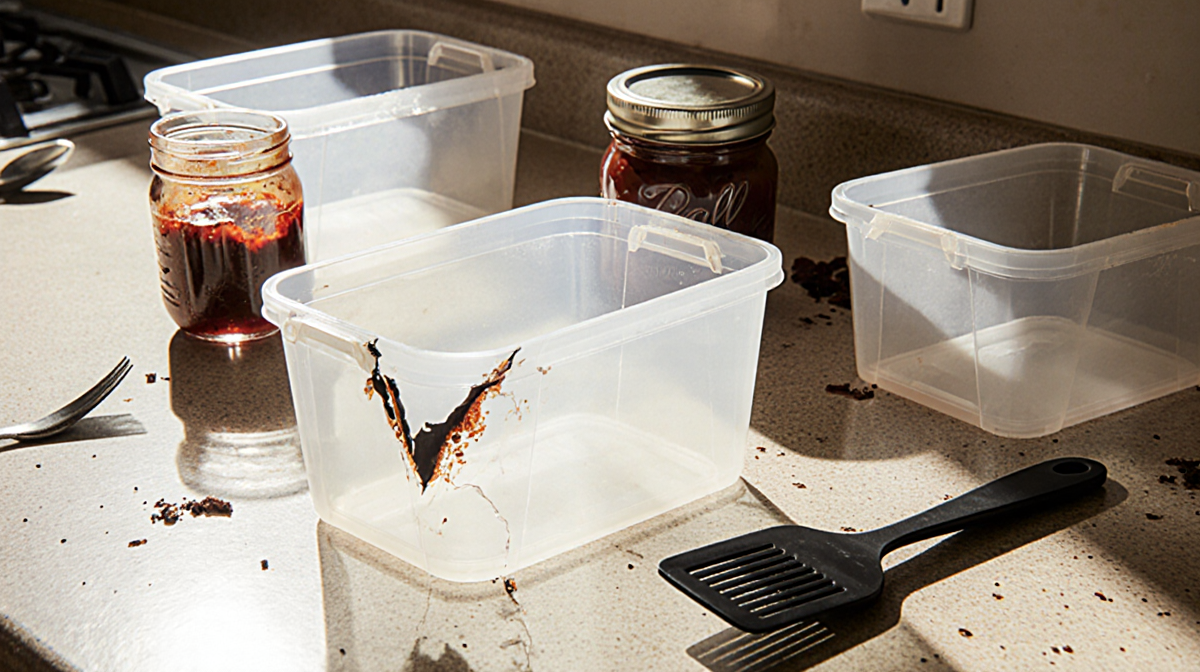
When I inspected my cabinet, I found several plastic containers, some for dry goods and others for leftovers. Although marketed as refrigerator-, dishwasher-, and microwave-safe, they all show wear and are ready for replacement.
Key Findings
- A September 2024 study found that of the 14,000 known food-contact chemicals, 3,601-or 25%-were detected in humans.
- 235 of these chemicals, including plastic compounds, have been found in human tissues.
- A June 2023 study concluded that microwaving plastic containers releases the highest amount of micro- and nanoplastics into food. Even refrigeration or room-temperature storage can release billions of particles over six months.
- Nanoplastics, smaller than 1 µm, may be more harmful to the body.
- A 2024 review showed that freezing and thawing can still release microplastics from the inner surface of containers.
- Rubbermaid faced a lawsuit in 2024 over claims that its containers are microwave- and freezer-safe while still releasing microplastics.
Swap Recommendation
- Replace plastic containers with glass. I already swapped a few with the Tupperware Voila collection, which is oven-, microwave-, freezer-, dishwasher-, and broiler-safe (lid off).
- Stock up on smaller glass containers for single servings.
- Consider BPA-free plastic only as a secondary option, but glass remains the best choice.
2. Black Plastic Spatula
While I use wooden cutting boards, metal cutlery, and silicone spatulas for room-temperature tasks, a black plastic spatula remained in my drawer.
Key Findings
- A June 2024 systematic review reported that plastic kitchen utensils can release microplastic particles into food.
Swap Recommendation
- Replace the black spatula with a metal or wooden one.
- Options include:
- OXO Good Grips Stainless Steel Fish Turner – $18
- Victorinox 40415 Turner Slotted Wood – $54
- Keep a variety of wooden spatulas for different widths.
3. Non-Stick Air Fryer
My Philips 3000 Series air fryer is coated with PTFE, a plastic. While compliant with food-contact regulations, it can still release micro- and nanoplastics.
Key Findings
- A June 2024 study found that PTFE-coated cookware releases particles when scratched or used at high temperatures.
- Even with a protective coating, the risk remains.
Swap Recommendation
- Consider a glass air fryer. The Ninja Crispi, made of glass and free from PFAS and PTFE, uses a nano-ceramic crisper plate.
- Add it to my holiday wishlist.
- When purchasing, verify that the product is glass-based and has no plastic coatings.
4. Tea Bags
I discovered dozens of tea bags in my jar and cabinet, many of which contain plastic.
Key Findings
- A February 2025 review identified tea bags as the largest contributors to microplastic exposure in hot tea, with more than 1 billion particles released when the bag and string steep.
- Biodegradable or heat-sealed bags still contain plastic.
- Compostable bags are plant-based and do not contain plastic, but some lack the label and may still carry microplastics.
- Oceanwatch Australia explains that compostable products break down in the right environment, whereas biodegradable products may be made from plant or petroleum-based plastic.
Swap Recommendation
- Switch to loose-leaf tea.
- Use stainless steel tea infusers.
- Brew with a glass electric kettle, such as the OXO Adjustable Temperature Kettle – $120.
Key Takeaways
| Source | Particle Release | Recommended Material |
|---|---|---|
| Microwave plastic containers | Highest release | Glass |
| Plastic spatula | Releases microplastics | Metal or wood |
| PTFE-coated air fryer | Releases when scratched | Glass air fryer |
| Tea bags (plastic or biodegradable) | >1 billion particles | Loose-leaf tea + glass kettle |
- Even if the risk seems small, cumulative daily exposure can add up.
- Glass, metal, silicone, and wood are safer alternatives for heating, refrigerating, dishwashing, or freezing.
- A single glass item per day can significantly reduce microplastic intake.
Final Thoughts
There’s no need to panic or overhaul the entire kitchen overnight. Instead, gradually replace plastic items with safer alternatives-glass, metal, silicone, or wood-especially for items that undergo heat, cold, or mechanical stress. Over time, these small changes can help keep microplastics out of your daily diet.