At a Glance
- Dammylene Natnat’s TikTok clips of her toddler napping outside in Swedish snow have drawn millions of views and fierce debate
- Outdoor naps are standard practice in Sweden, recommended by midwives, doctors, and daycare centers
- Colin, almost 2, has slept outside twice daily since he was 3 months old and now naps outside about an hour after lunch
- Why it matters: The viral moment spotlights how cultural parenting norms can clash online, with some viewers calling the practice neglect while Nordic families see it as healthy and safe
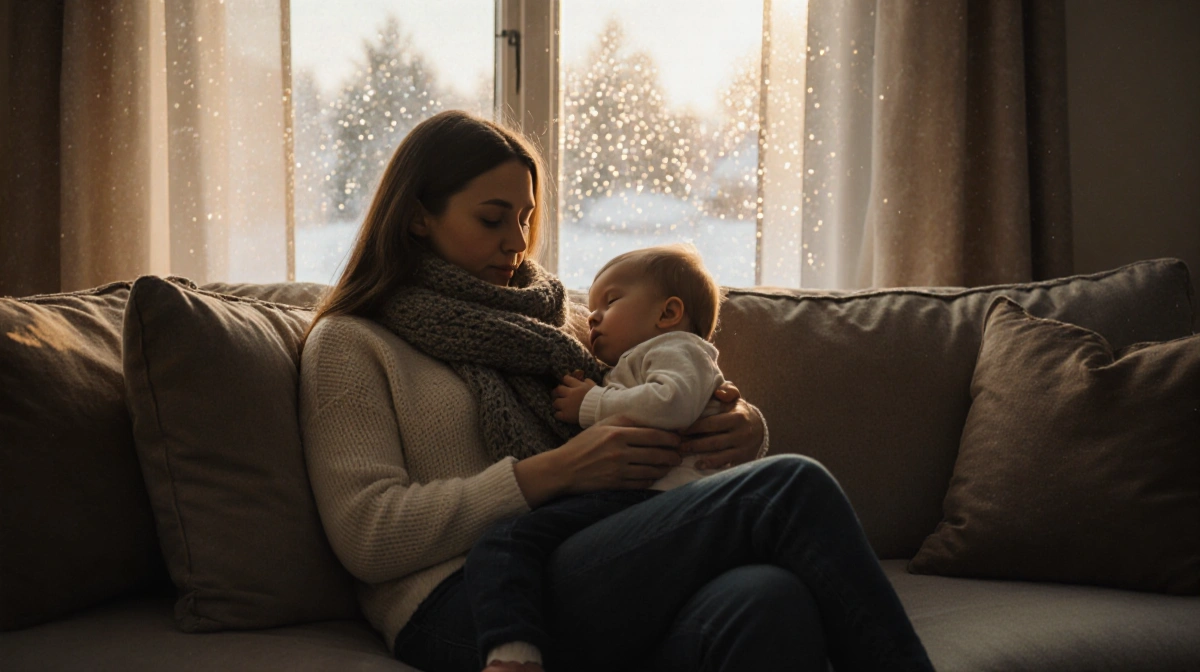
A Filipino-Swedish mother never expected a five-second TikTok to ignite global controversy. Yet when Dammylene Natnat posted clips of her toddler son Colin sleeping peacefully in his pram amid snow-covered streets, commenters around the world reacted with everything from admiration to accusations of child endangerment.
Nordic Tradition or Modern Method?
Natnat, 31, moved from the Philippines to Sweden at 15 and once worked as an early childhood teacher. She now studies to become an operations technician while raising Colin, who turns two in February. In her everyday life, letting him nap outside is as routine as strapping him into a car seat.
“It’s actually not a tradition, but more of a method or a common practice here in Sweden,” she tells News Of Los Angeles exclusively. “Midwives, doctors and daycare centers recommend this practice. Even my toddler naps outside at daycare.”
The logic is straightforward:
- Fresh air is believed to help children sleep longer and more deeply
- Exposure helps them adapt to Sweden’s harsh winter climate
- Community trust is high; strollers left outside cafés or preschools are normal
Safety First, Even at -10°C
Colin’s outdoor naps began when he was 3 to 12 months old, with two daily sleeps in his pram. As his sleep needs changed, the schedule shifted to one post-lunch nap of about an hour. Location matters: the pram sits just outside the family’s front door for easy monitoring.
Dressing for the cold is non-negotiable. Colin wears:
- Multiple warm layers, often wool
- A sleeping bag rated for sub-zero temperatures
- Hats and mittens checked throughout the nap
Technology adds another layer of safety. A baby monitor tucked into the pram displays the temperature in real time. Natnat’s midwife set a hard limit: outdoor naps stop if the thermometer drops below -10°C.
Culture Shock Online
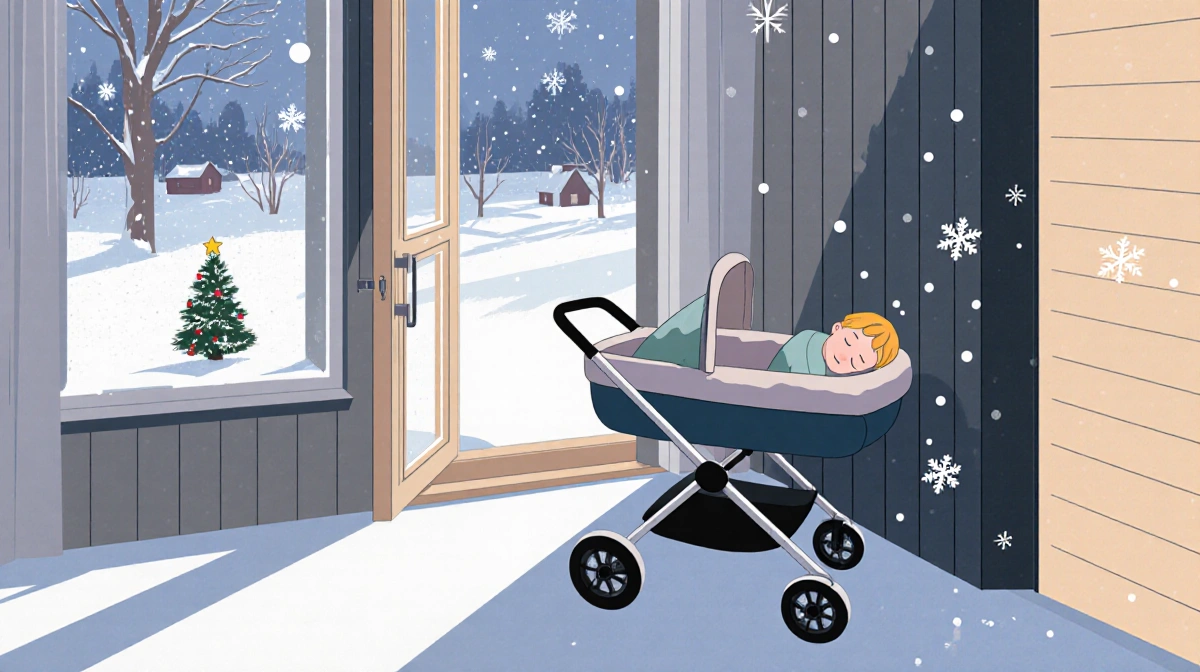
Natnat uploaded the videos without context, figuring friends might smile at the sight of a rosy-cheeked toddler in the snow. Instead the clips exploded, racking up millions of views and thousands of polarized comments.
“I’ve gotten both positive and negative comments, but honestly, reading them has been kind of educational for me,” she says. Some viewers praise the approach; others declare they would call child protective services. The harshest reactions, she notes, come almost exclusively from users outside Europe.
“What really surprised me was how some people outside Europe called it child neglect or said they’d report me to CPS,” Natnat says. “This has been done for centuries here, and even midwives, doctors, and daycare centers recommend it.”
Trust, Climate, and Community Design
Sweden’s low crime rate underpins the practice. Families trust neighbors, and urban planning caters to children with pedestrian zones and stroller parking. Natnat rarely worries about theft or harm because, she says, “many public spaces are designed with families in mind.”
The payoff, according to parents and professionals, is better rest. Colin typically sleeps one to two uninterrupted hours outside and wakes up “happy and content.” After nearly two years, the routine feels as natural to him as an indoor crib does to children elsewhere.
Respectful Disagreement
Natnat accepts that not everyone will embrace the idea. Her goal is not conversion but conversation.
“I don’t expect everyone to understand or accept it,” she says. “But I wish people could be more respectful of other cultures and parenting methods.”
For now she keeps filming brief, peaceful moments: Colin’s tiny breath visible in frosty air, the quiet street, the monitor showing a comfortable -2°C. Each clip is a reminder that parenting looks different depending on latitude, trust, and centuries of practice.
Key Takeaways
- Outdoor naps are medically endorsed and statistically safe in Sweden
- Cultural context shapes what parents view as normal or risky
- Natnat plans to continue the routine because “it really works for our family”