At a Glance
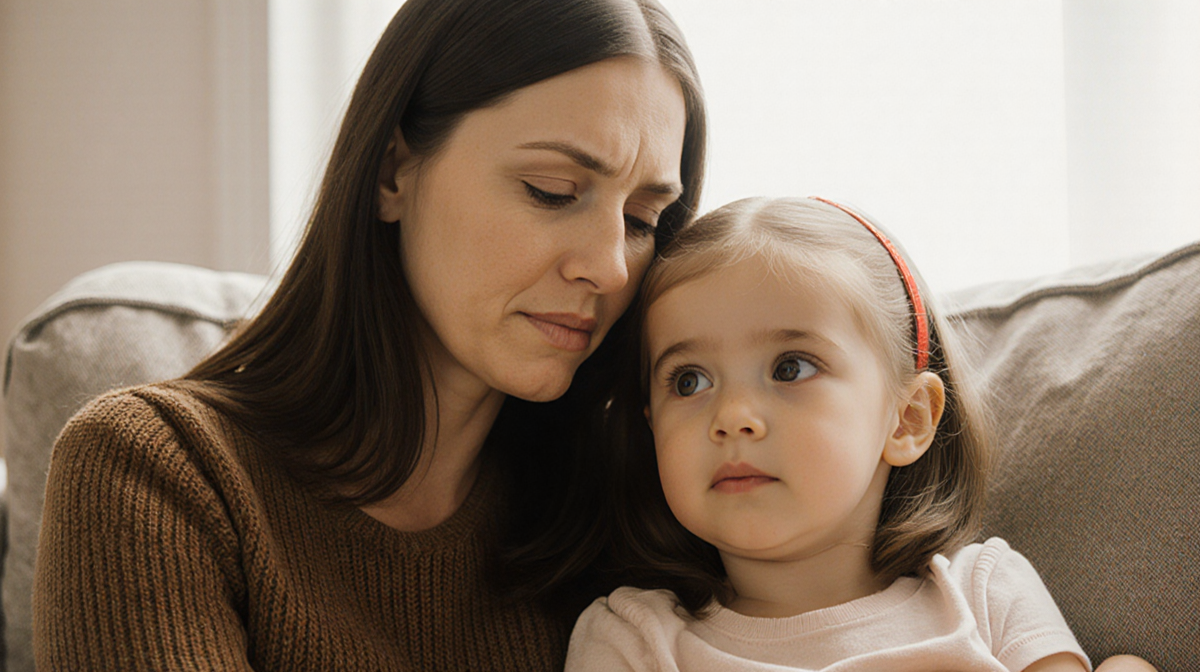
- Tara Cochran sat with her 5-year-old daughter on Jan. 19 to discuss racism.
- The video reached over 120,000 viewers online.
- The clip urges parents to start conversations early.
- Why it matters: It shows how a simple family talk can spark broader reflection on equality.
On Martin Luther King Jr. Day, Tara Cochran, a motherhood and lifestyle content creator from West Michigan, filmed a short conversation with her daughter, Evy, to explain racism in a way a five-year-old could understand. The clip, posted on social media, quickly went viral, attracting more than 120,000 viewers.
The Conversation
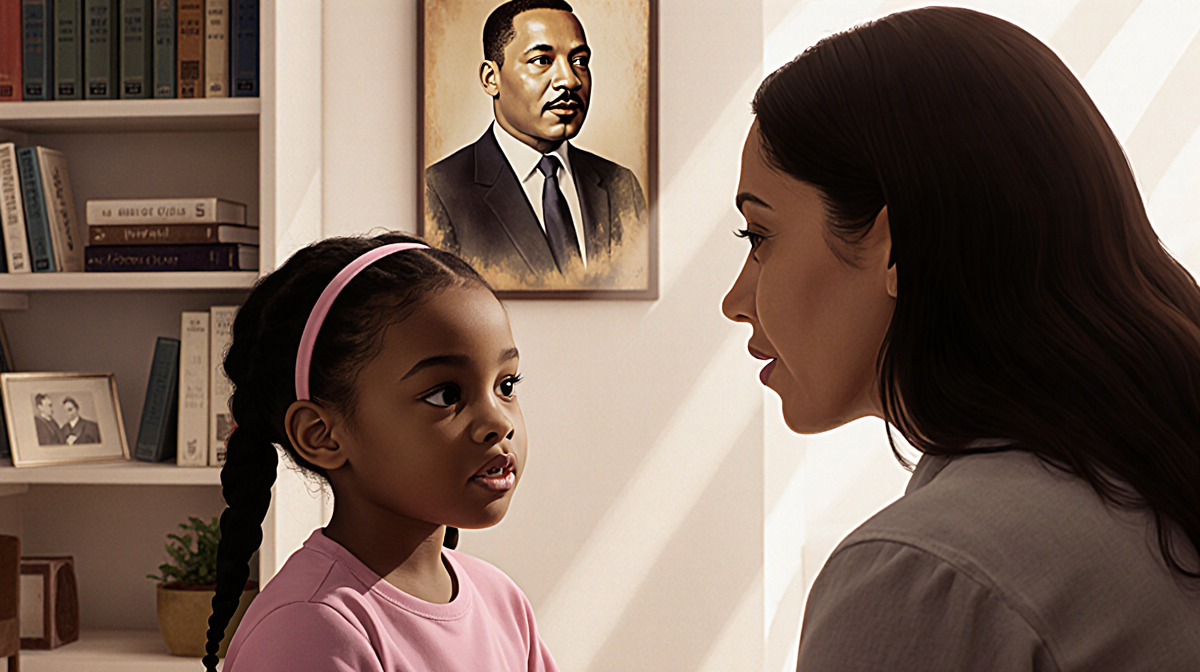
Cochran opened the discussion by defining racism in plain terms: “So racism, or being racist, is when you treat somebody differently based on the color of their skin,” she told Evy. She then showed a photo of Martin Luther King Jr. and described his role as a civil rights activist. “Sixty years ago, if you had brown skin, you weren’t allowed to go into certain restaurants or sit at the front of the bus,” she explained. “There were signs all around town that said, ‘White people only.'”
Evy’s immediate reaction was simple yet powerful: “That’s not nice.” The response highlighted why Cochran believes such conversations should begin early. She told the audience that while the events she described happened decades ago, the issues they represent are still present today.
Why It Matters
Cochran emphasized that these discussions are “a very real and important lesson in history, and one that feels more relevant than ever given the state of our country.” She added that growing up, she learned about MLK, Rosa Parks, and segregation, but it was framed as if it happened in ancient times, not 40 or 60 years ago. “I don’t want my children to have that same lack of awareness,” she said.
To make the concept relatable, Cochran asked Evy questions like, “Who do you know with different-colored skin?” She also pointed out that despite the child’s age, Evy grasped the idea of equality better than some adults. “I can’t believe people treat others differently because their skin is brown,” Evy remarked. Cochran noted that Evy’s empathy and emotional intelligence were key to the conversation’s success.
Parents’ Takeaway
Cochran’s video serves as a model for parents who may feel unsure about how to approach sensitive topics. She said, “A lot of parents know these topics matter, but they don’t always know how to start the discussion. Sometimes seeing it modeled is all it takes.” She hopes the clip encourages other families to sit down, show real images, ask questions that children can picture, and be honest.
Key points for parents:
- Start early: Children can understand complex ideas when explained simply.
- Use real images: Visuals help anchor abstract concepts.
- Ask open questions: Encourage children to think about people they know.
- Be honest: Transparency builds trust and understanding.
Looking Forward
Cochran believes that parenting is like building a foundation. “I think of parenting like being a human architect. You’re building the foundation for the next generation – and it’s a lot harder to build something strong if that foundation is cracked,” she said. She also expressed concern about children facing racism at school and in everyday life, noting, “In a world where kids are coming home crying because someone told them, ‘ICE is going to get you,’ simply because of their skin color – I want my kids to be better than that. Kinder. More informed.”
She concluded that if a five-year-old can understand that treating people differently because of their skin is wrong, adults can too. Her final message to readers was one of hope and encouragement: “If you’re here, welcome. I’m just an everyday mom trying to raise kind, empathetic kids – and share motherhood as honestly as I can.”
Key Takeaways
- A single, age-appropriate conversation can spark a viral discussion on racism.
- Parents are encouraged to model honest, simple explanations for complex social issues.
- Early education about equality can empower children to recognize and challenge injustice.
- The video demonstrates that empathy can be nurtured from a young age.
By sharing her experience, Cochran invites other families to take the initiative, ensuring that the next generation grows up with a clear understanding of equality and a commitment to justice.