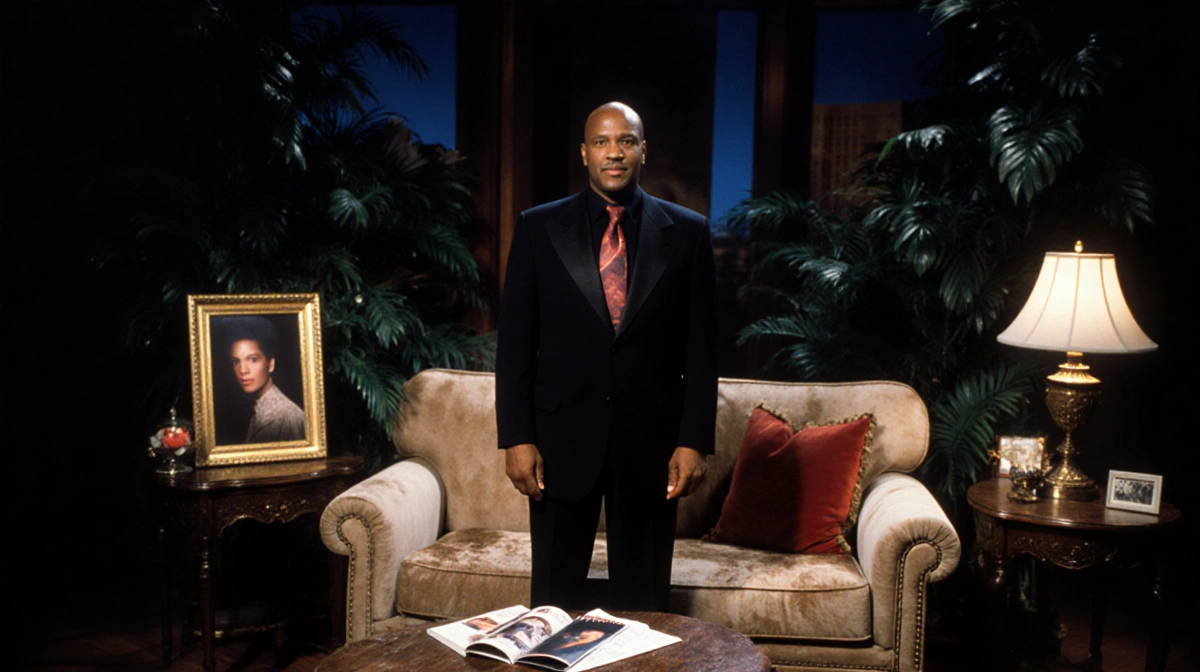
Montel Williams reveals how daytime talk shows in the 1990s competed to feature increasingly salacious content, admitting the industry prioritized ratings over guest welfare.
The 69-year-old host, whose The Montel Williams Show aired from 1991 to 2008, appears in ABC’s documentary series Dirty Talk: When Daytime Talk Shows Ruled TV. The three-part examination premiered Wednesday, Jan. 14, tracing the evolution from Phil Donahue’s groundbreaking 1970 national launch to the sensationalism that defined the decade.
Industry-Wide Race to Shock
Williams describes an arms race among producers to secure the most provocative guests and topics. “Everybody was trying to figure out how they could talk about the most salacious things there were to talk about,” he states in the episode. “Everybody did it. From Oprah, to Phil, to Ricki Lake, to Sally, to Geraldo, to me.”
The competition extended beyond subject matter to physical appearance. “Everybody was trying to figure out how they can put the biggest breasts on air, in front of the American public. Everybody did it,” Williams adds.
Exploitation of Vulnerable Guests
The documentary highlights how shows increasingly featured:
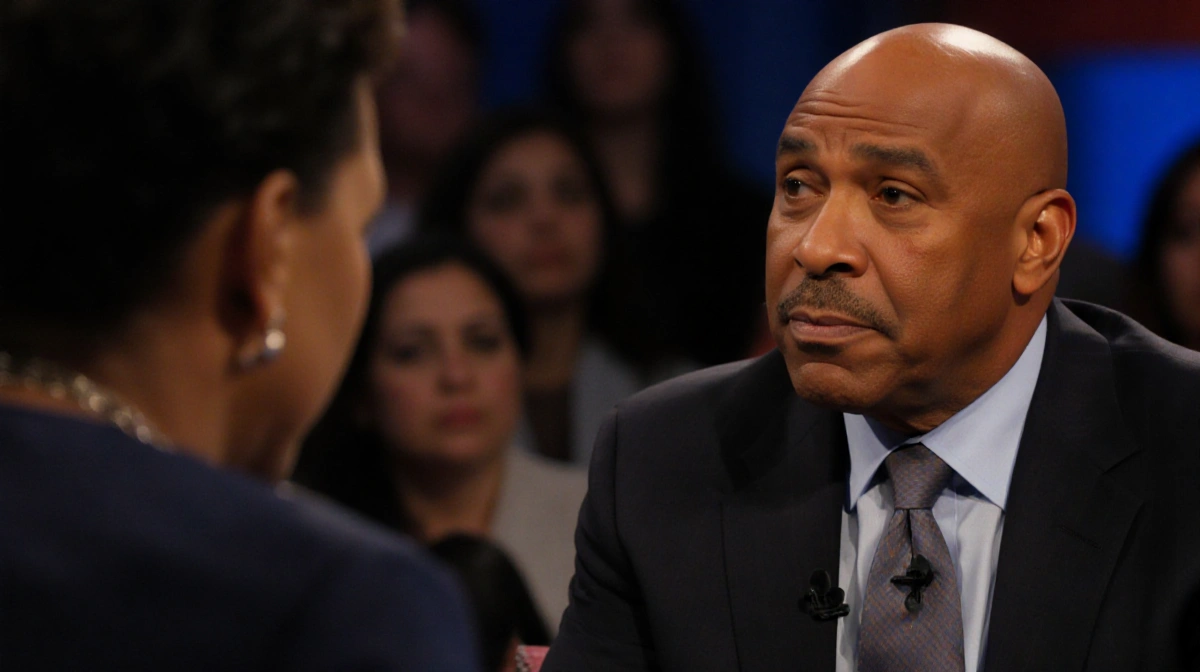
- Sex workers and strippers of all genders
- Drag queens and dominatrixes
- Confrontational relationship segments
- Lower-income guests whose lives were in “disarray”
Laura Grindstaff, author of The Money Shot: Trash, Class and the Making of TV Talk Shows, appears in the series explaining how this demographic became prime targets for exploitation.
Williams acknowledges the problematic dynamic: “I don’t think anybody had that intent, but I think some wanted to make sure that they utilized their guests as props to gain their best advantage.”
Behind-the-Scenes Tactics
Producers reveal extreme measures taken to secure guests, including:
- Stealing guests from competing shows
- Visiting hotels where guests stayed during filming
- Poaching talent through direct approaches
When segments succeeded-such as confrontations between spouses and mistresses-producers immediately ordered repeats upon seeing overnight ratings spike.
Psychological Impact Ignored
The series documents how shows manipulated guests for entertainment while neglecting their mental health. This practice became standard across the genre as ratings pressure intensified throughout the decade.
Awards and Legacy
During his 17-year tenure, Williams received:
- Three Daytime Emmy nominations for outstanding talk show host
- One nomination for outstanding talk show
The documentary places Williams alongside other daytime pioneers including the late Phil Donahue (who died at 88 in 2024), Oprah Winfrey (71), Sally Jessy Raphael (90), Maury Povich, and Geraldo Rivera.
Dirty Talk: When Daytime Talk Shows Ruled TV airs Wednesdays at 9 p.m. on ABC, streaming the next day on Disney+ and Hulu.
Key Takeaways:
- The 1990s talk show industry prioritized sensational content over guest welfare
- Producers systematically targeted vulnerable populations for entertainment
- Competition between shows led to increasingly exploitative practices
- Williams acknowledges his participation in the problematic culture