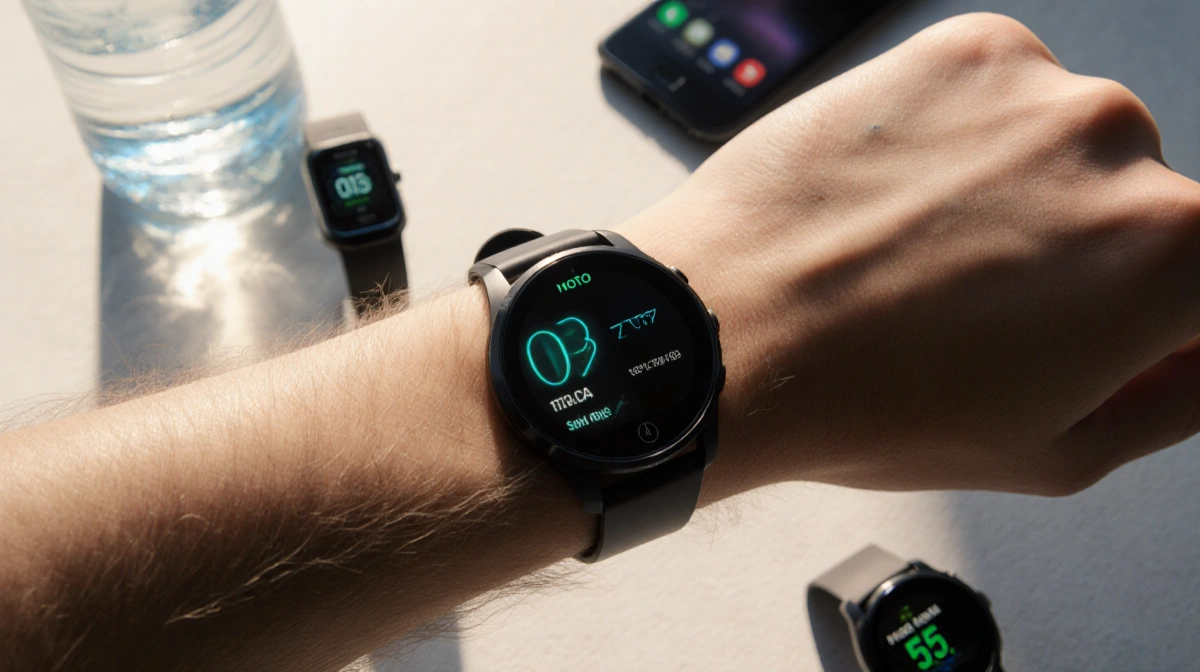
At a Glance
- $150 Moto Watch unveiled at CES 2026, preorder starts January 22
- Polar-backed health tracking brings pro-level metrics to a lifestyle design
- 13-day battery life dwarfs typical 2-day Android watches
- Why it matters: A long-lasting, fitness-credible smartwatch that costs less than most rivals
Motorola just threw down a fresh take on the smartwatch at CES 2026. The $150 Moto Watch pairs Polar-grade fitness science with a design that slides from boardroom to weight room without missing a beat. Preorders open January 22, with shelves stocked January 28.
A New Player in the Wearable Game
Rather than chase the Wear OS crowd, the Moto Watch runs Motorola’s own software and sticks to Android phones. That choice keeps costs down and battery life up. Think of it as a bridge between a hard-core sports watch and a fashion-first smartwatch.
Dual-band GPS, heart-rate variability, sleep stages, and recovery scores-all polished by Polar’s algorithms-sit inside a 47 mm aluminum case topped with Gorilla Glass 3. The result is a watch that promises accuracy normally reserved for gear twice the price.
Inside the Hardware
- Display: 1.43-inch round OLED, 47 mm case
- Protection: IP68 (1 m for 30 min)
- Bands: Quick-release stainless, silicone, or leather-like; third-party straps welcome
- Sensors: Dual-frequency GPS, optical heart rate, SpO2, accelerometer
- Charging: 5-minute top-up adds roughly a day of use
Battery claims are eye-catching: up to 13 days in raise-to-wake mode or seven with always-on display. If real-world numbers land close, Samsung and Google flagships will look power-hungry by comparison.
Polar Partnership Explained
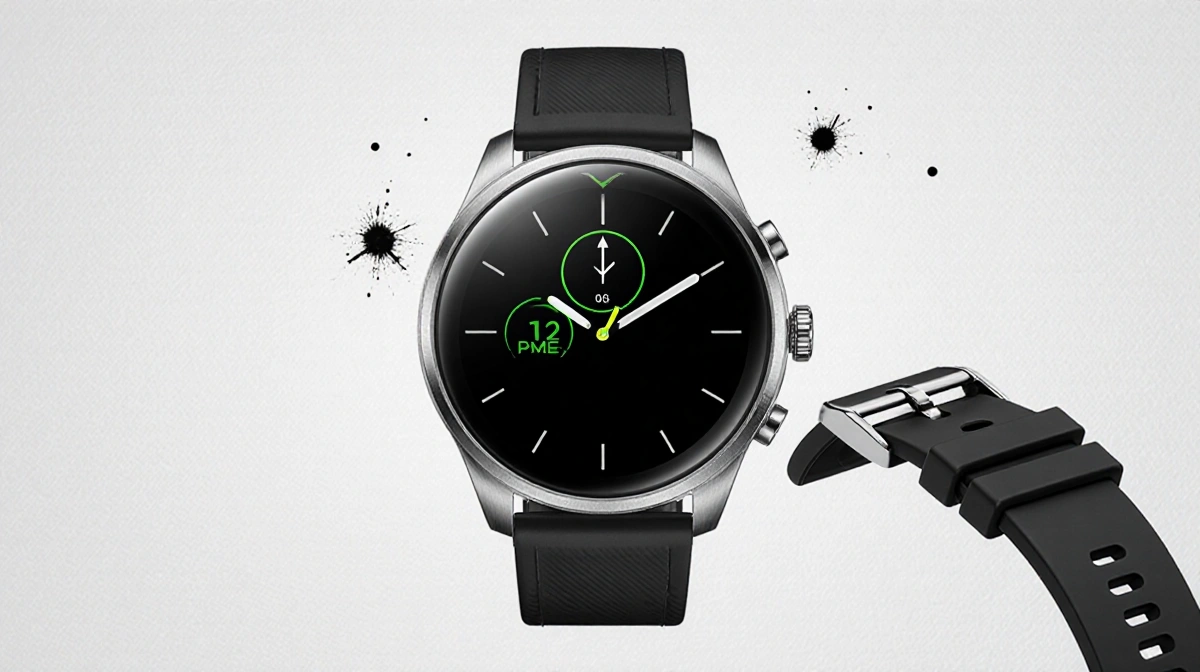
Polar’s chest straps are trusted by Olympians, and that credibility now filters into Motorola’s watch. The Finnish company provides algorithmic muscle for:
- Heart-rate variability tracking
- Nightly sleep stage breakdowns
- Recovery recommendations
- Dual-frequency GPS route mapping
Motorola says the collaboration is long-term, so future firmware updates should deepen the data pool.
Ecosystem Play
The Moto Watch folds into Motorola’s Moto Things ecosystem. Smart Connect, the company’s cross-device app, handles setup and sync. A future tie-in with Lenovo’s Qira AI platform could let notifications, reminders, and tasks hop between phones, tablets, PCs, and the watch. For now, no AI tricks are baked in, but the groundwork is there.
Price and Release
| Event | Date |
|---|---|
| Preorder starts | January 22, 2026 |
| Retail launch | January 28, 2026 |
| Price | $150 |
| Where | Motorola.com and select retailers |
No subscription is required for health insights, and Motorola pledges at least two years of software support.
What It’s Not
This isn’t the triumphant return of the Moto 360. Motorola scrapped the Wear OS playbook and started fresh, targeting buyers who want:
- More battery life than a Pixel or Galaxy watch
- Better health tracking than most budget bands
- A price that doesn’t sting if it takes a beating in the gym
Key Takeaways
- Polar power without Polar pricing
- 13-day battery life could reset expectations for mainstream watches
- $150 tag undercuts Garmin’s entry sports watches by hundreds
- No iOS support keeps the experience Android-only
- Dual-band GPS typically lives on watches costing $400+
According to News Of Losangeles‘s coverage, the Moto Watch will face its real test once reviews hit. Still, the spec sheet and Polar pedigree make it an early standout from CES 2026.