At a Glance
- Nashville Zoo’s first aardvark calf arrived at 6:06 a.m. on January 1, 2026
- The four-pound newborn is roughly the size of a rolling pin
- Only 34 aardvarks now live in Association of Zoos & Aquariums facilities
- Why it matters: The birth boosts the tiny U.S. captive population and marks a major milestone for the Tennessee zoo
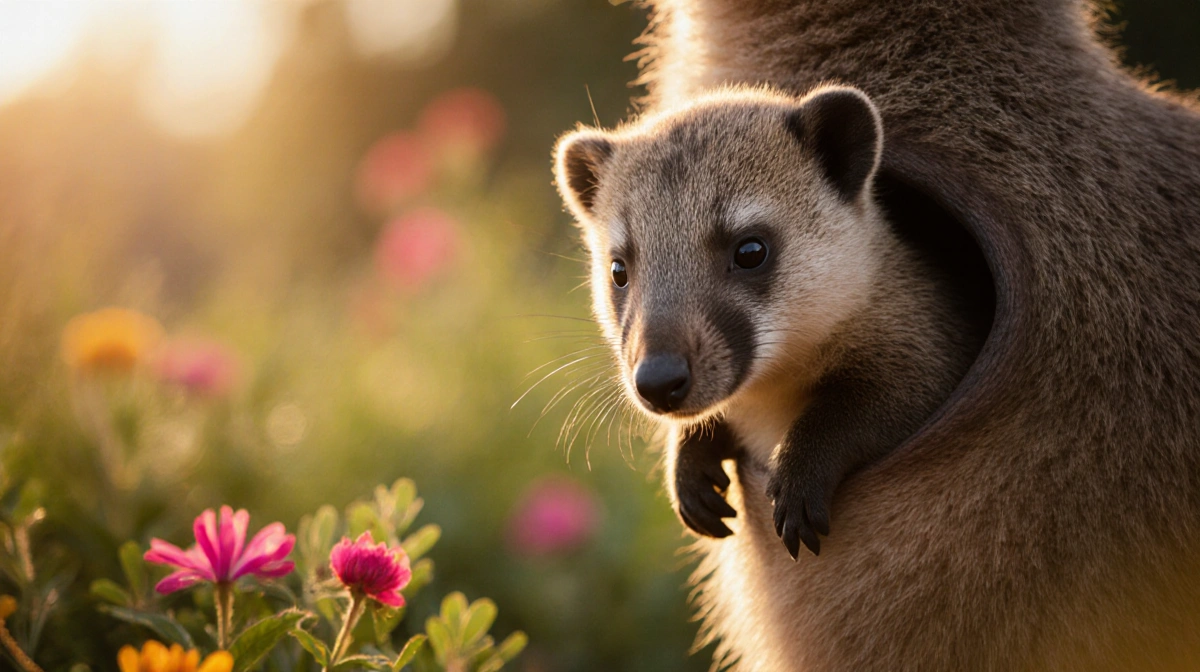
Nashville Zoo has announced the arrival of its first-ever aardvark calf, born in the early hours of New Year’s Day to parents Karanga and Winsol. The tiny newcomer, weighing about four pounds and measuring the length of a rolling pin, brings the national total of zoo-housed aardvarks to just 34.
A Historic Birth
The zoo revealed the birth in a January 12 Facebook post, noting the calf entered the world at exactly 6:06 a.m. on January 1, 2026.
“We kicked off 2026 with a very special arrival,” the post began. “Nashville Zoo welcomed its first-ever aardvark calf at 6:06 am on New Year’s Day.”
Staff emphasized that both mother and baby are “doing well” and remain under close observation in a behind-the-scenes area.
Tiny Population Gets a Boost
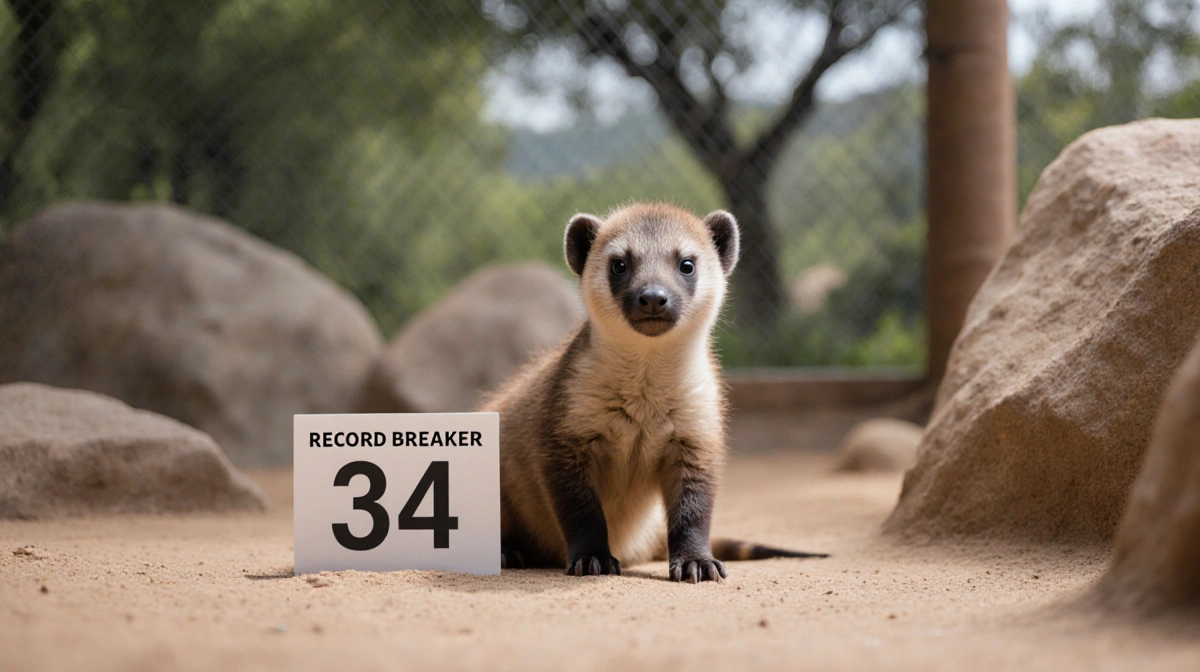
According to zoo records, only 33 aardvarks resided in Association of Zoos & Aquariums (AZA) facilities before this birth. The Nashville calf becomes number 34 and the first successful birth recorded since 2024.
Key facts about the U.S. aardvark population
- 34 individuals now live in AZA-accredited zoos
- The Nashville calf is the only birth in nearly two years
- Every new calf significantly impacts genetic diversity
Meet the Parents
The calf’s father, Winsol, made history himself as the first aardvark ever to call Nashville Zoo home. He arrived from Cincinnati Zoo & Botanical Garden in March 2019 at one year old.
Mother Karanga joined the zoo two years later in 2021, transferred from Disney’s Animal Kingdom.
Because both adults serve as Ambassador Animals, keepers interact with them daily through hands-on care and leash training. This close relationship enabled staff to collect detailed data on breeding behavior and pregnancy progression.
Tracking a Rare Pregnancy
Jac Menish, Nashville Zoo’s curator of behavioral husbandry, explained how the ambassador status proved invaluable during Karanga’s pregnancy.
“Both Karanga and Winsol are Ambassador Animals here at Nashville Zoo, which means we have a lot of keeper interaction, including hands-on care and leash training,” Menish said in a press release shared with News Of Los Angeles. “This has allowed us to gather valuable information about their breeding behaviors and pregnancy.”
Once the pregnancy was confirmed, the animal-care team:
- Conducted periodic ultrasounds
- Implemented a nonstop baby watch to spot labor signs
- Documented every stage for future reference
Next Steps for the Newborn
While long-term plans are still under review, the zoo expects the calf to relocate to another AZA-accredited facility once mature. The move would place the young aardvark with potential mates and allow it to contribute to future population growth.
Timeline ahead
- Remains with mother under keeper supervision
- Eventually transfers to a new accredited zoo
- Breeding program participation anticipated
Why Aardvarks Are Hard to Study
Menish noted that wild aardvarks pose unique challenges for researchers because they are nocturnal and live underground. The Nashville Zoo’s ambassador program provides a rare window into their biology and behavior, knowledge that can aid both in-situ and ex-situ conservation efforts.
Key Takeaways
- Nashville Zoo’s first aardvark birth is a landmark event for the institution
- The calf’s arrival increases the U.S. captive population to just 34 individuals
- Intensive keeper interaction made monitoring the rare pregnancy possible
- Future plans include placing the youngster in a breeding program at another accredited facility
The birth underscores the critical role zoos play in maintaining genetically diverse populations of little-studied species like aardvarks.