
Flu season has taken off nationwide, with cases rising rapidly in some parts of the country over the past few weeks.
Rising Numbers
The Centers for Disease Control and Prevention released its latest report on Friday, estimating that so far this season, there have been at least 4.6 million illnesses, causing more than 49,000 hospitalizations and 1,900 deaths. Alicia Budd, head of the CDC’s domestic influenza surveillance team, said, “We’ve seen sustained, elevated activity across multiple key indicators in many areas of the country.”
Early Indicators
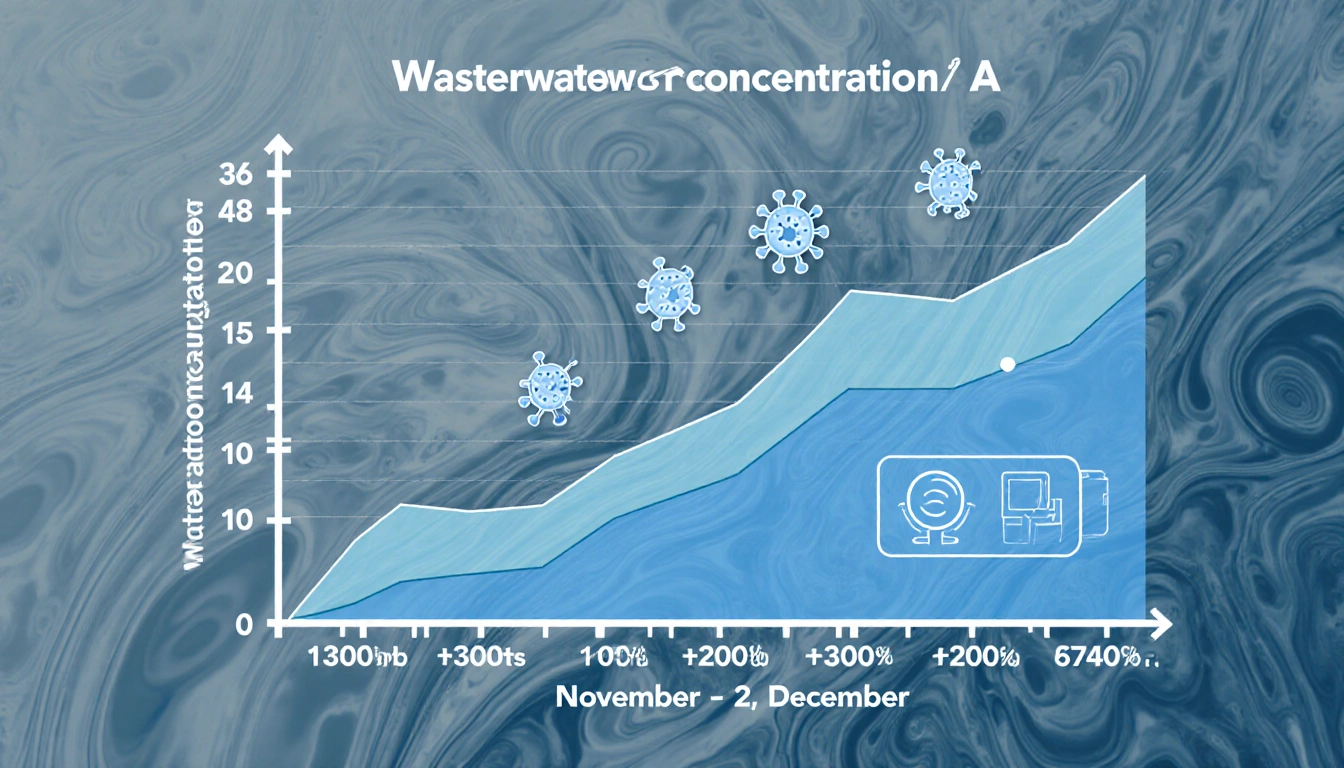
From November to December, wastewater concentrations of influenza type A rose 390% nationwide, according to data from WastewaterSCAN, an academic program through Stanford University in partnership with Emory University. Marlene Wolfe, program director for WastewaterSCAN and an assistant professor of environmental health at Emory, said, “The upward trend is increasing very consistently,” and added, “We’re not yet seeing any sign of plateauing.”
Dr. Chase Shutak, medical director of Children’s Minnesota, reported that positive flu cases at the facility doubled within the past week. He described the spectrum of symptoms, noting, “In some years, every kid who presents with the flu just has that classic influenza appearance. They look kind of dazed. They’re miserable. There’s a glassy look to their eyes,” and added, “In addition this year, there’s a fair number of kids who have milder symptoms but annoying enough that they’re still coming in.”
Strain and Symptoms
Influenza A, specifically H3N2, is the dominant strain right now. While anyone of any age can be affected, H3N2 tends to cause more hospitalizations and deaths in older adults. Budd expressed concern that children infected now could spread the virus to grandparents and other older adults over the holidays. “With schools going on break for a couple of weeks and family gatherings happening, it’s quite possible that some of the existing mixing of viruses amongst the school groups are going to change to a different population,” she said.
Geographic Spread
Flu activity is high or very high in 14 states – including Colorado, Idaho, Louisiana, Michigan, New Jersey, and South Carolina – as well as New York City; Washington, D.C.; and Puerto Rico, according to the CDC report. The report also noted minimal activity in Wisconsin, yet a state health official reported that a child in the state died of flu. The North Carolina Department of Health and Human Services reported its first pediatric flu death of the season on Wednesday. Those cases are likely not counted among the CDC’s latest report, which shows three pediatric flu deaths so far this year, with data current through Dec. 13. The CDC’s next flu update will release on Dec. 30.
Child Mortality
The 2024-2025 flu season was particularly deadly for children. According to the latest data, 288 children died of flu – tying a record set during the 2009-2010 H1N1 pandemic. A CDC report published in September found that half of the children who died of flu last year were otherwise healthy, and about 89% hadn’t received the flu vaccine.
Vaccine Effectiveness
The annual flu shot is notoriously imperfect when it comes to matching the exact strains of flu that circulate. This year, a strain called H3N2 subclade K emerged, making changes on the surface protein of the virus. The surface protein is important because that’s what the body looks for to recognize whether it’s seen the virus before. If the protein looks even slightly different, the body may not be able to fight it off as well.
Budd said it’s hard to predict how well this vaccine will ultimately work. Even though the strain has “drifted” a bit, the vaccines do contain protection against H3N2 virus in general. “We’ve had past seasons where there have been what we call drifted viruses, which is how we would categorize this subclade K,” she said. “In some of those instances, there have been impacts on vaccine effectiveness, but there have also been seasons with drifted strains where we’ve seen the vaccine continue to provide protection.”
Budd emphasized that it’s important for everyone, including children, to get the flu shot. “It is still the primary preventive measure against flu, severe illness, and we absolutely continue to recommend it this year, even in light of the drifted strain,” she said.
Tamiflu Demand
Demand for Tamiflu, an antiviral used to help treat the flu, is slightly higher than it was this time last year, according to GoodRx. People generally only get prescription antivirals when they’re sick enough to go to the doctor, not just because they tested positive for the flu, said Tori Marsh, senior director of research for GoodRx. “What stands out this season is how early Tamiflu use is climbing,” she said. “When we see prescription antiviral use rise sooner than average, it often points to flu activity building earlier and potentially lasting longer.”
Recommendations
The Centers for Disease Control and Prevention continue to recommend the flu shot as the primary preventive measure. Guidance on receiving the flu shot with a Covid vaccine is available from the CDC.
Key Takeaways
- The 2024-2025 flu season has seen 4.6 million illnesses, 49,000 hospitalizations, and 1,900 deaths so far.
- Wastewater data and hospital reports show an early and aggressive rise, with H3N2 subclade K circulating.
- The child mortality rate is at a record-tied 288 deaths, with most children unvaccinated.
The season’s early surge, the emergence of a drifted strain, and the high demand for antivirals underscore the importance of vaccination and early treatment. Public health officials urge that everyone, especially children, get the flu shot and seek care promptly if symptoms arise.