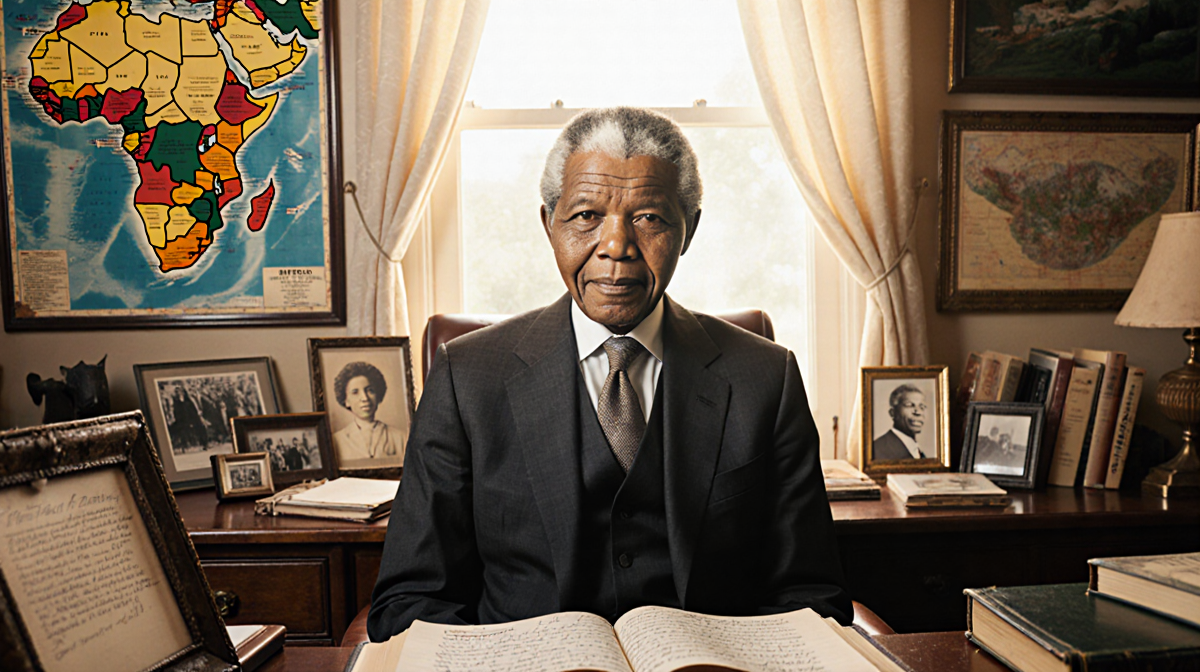
Nelson Mandela’s story, spanning 95 years of struggle and triumph, is captured in the new documentary Troublemaker, which premiered at the Sundance Film Festival on January 27. Directed by Antoine Fuqua and produced with commentary from anti-apartheid activist Mac Maharaj, the film uses archival audio, vintage photos and animation to bring Mandela’s own words to life. The documentary offers a comprehensive look at his journey from a small-town boy in the Eastern Cape to South Africa’s first democratically elected president.
At a Glance
- Troublemaker chronicles 1918-born Mandela’s life, from childhood to presidency.
- The film blends archival interviews, animation, and commentary from Mac Maharaj.
- It premiered at Sundance on January 27 and will screen through January 31.
- Why it matters: The documentary provides a rare, audio-rich portrait of a global icon, revealing the personal and political forces that shaped modern South Africa.
The Documentary and Its Vision
The film’s visuals combine vintage photographs, archival footage, and chiaroscuro animation. Audio comes from Mandela’s interviews with former Time journalist Richard Stengel for his 1994 autobiography Long Walk to Freedom. Mac Maharaj, a fellow anti-apartheid activist, serves as producer and offers contextual commentary.
Fuqua, 60, said in an interview that working on Troublemaker “has reminded me that the strongest spirits can weather the harshest storms, and that tomorrow is always another chance to make the world better.”
A Life Spanning 95 Years
Early Years and Education
Born Rolihlahla Mandela in 1918 in the Eastern Cape, he grew up in a rural setting that would later influence his political consciousness.
Rise to Activism
Mandela became a prominent figure in the African National Congress (ANC), advocating for non-violence before evolving toward what he called “organized violence” as the struggle intensified.
Imprisonment and Robben Island
- Convicted of sabotage in June 1964, Mandela was sentenced to life and sent to Robben Island.
- He remained there until March 31, 1982, when he was transferred to Pollsmoor Prison.
- During his time at Robben Island, he was allowed only one visitor and one letter of no more than 1,500 words every six months.
- Prisoners worked in the lime quarry under harsh sunlight, often damaging their eyesight; Mandela’s own vision was permanently affected.
- He was denied requests to attend the funerals of his mother, Nonqaphi Nosekeni (who died in 1968), and his eldest son Thembi (who died in 1969). “The authorities used the prison system to psychologically damage you,” Mandela said.
Release and Presidency
In 1989, F. W. de Klerk became the final state president of South Africa under Apartheid. The following year, Mandela was freed from prison. He continued his fight for equality, leading the ANC and helping to secure the first democratic presidential elections in 1994. Mandela served one term as president, leaving office in 1999. He received the Nobel Peace Prize in 1993 alongside de Klerk.
Personal Relationships
- First marriage: Evelyn Ntoko Mase (1944-1958). During the 1956 treason trial, Mandela noted, “If I deal with Evelyn here, I’ll have to tell you our marriage really collapsed because of differences in politics. Her religion did not support political activity.”
- Second marriage: Winnie Madikizela. He met her during the treason trial and said, “I saw this woman. And I was struck by her beauty. And I took her out. And then I took her out a couple of times and then I proposed. But it was after the divorce.” When asked if she said yes, he answered, “Oh, she agreed.” Winnie remained politically active, was arrested multiple times, and was criticized for encouraging violence against Black Africans who supported the Apartheid regime. She died in 2018 at age 81.
- Third marriage: Graca Simbine (1998-2013). Mandela was married to her until his death.
Legacy and Global Impact
The film includes footage of then-Senator Joe Biden denouncing apartheid as a “puppet regime,” and of singer-songwriter Tracy Chapman performing “Talkin’ Bout a Revolution.” Mandela attended Chapman’s concert in England after his release, saying, “I’ve always been intrigued by that young lady, and when she came onstage I was real excited.”
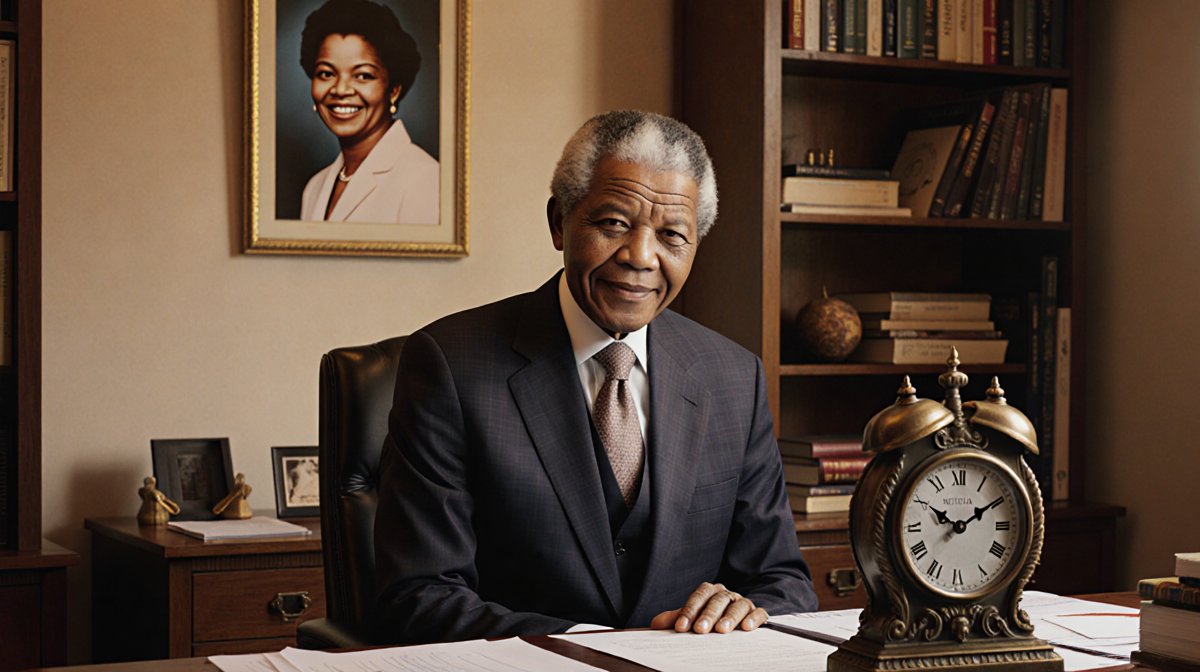
The documentary frames Mandela’s life as a series of turning points: from a rural boy to a revolutionary, from a political prisoner to a global symbol of reconciliation. It underscores how his personal sacrifices and strategic choices shaped South Africa’s transition from white minority rule to a democratic society.
Key Takeaways
- Troublemaker offers an intimate audio-visual narrative of Nelson Mandela‘s 95-year journey.
- The film’s blend of archival material and animation provides a unique perspective on his thoughts and motivations.
- Mandela’s story illustrates the power of resilience and the possibility of transformation even after decades of imprisonment.
- The documentary’s release at Sundance highlights the continued relevance of Mandela’s legacy in contemporary discussions of justice and reconciliation.
—