In 2025, California Governor Gavin Newsom signed a record 794 bills into law, a number that underscores a year of intense legislative activity. He also vetoed 123 bills, a move that highlighted the careful balance he seeks between progressive ideals and fiscal realities.
A Year of Legislative Activity
Newsom’s 794 signed bills covered a wide range of issues, from housing and energy to health care and immigration. The breadth of his agenda illustrates a strategy of engaging multiple factions within the Democratic Party, both in California and nationally. Analysts note that the sheer volume of legislation offers a potential differentiator for Newsom as he eyes a possible 2028 presidential bid.
Housing and Affordability Reforms
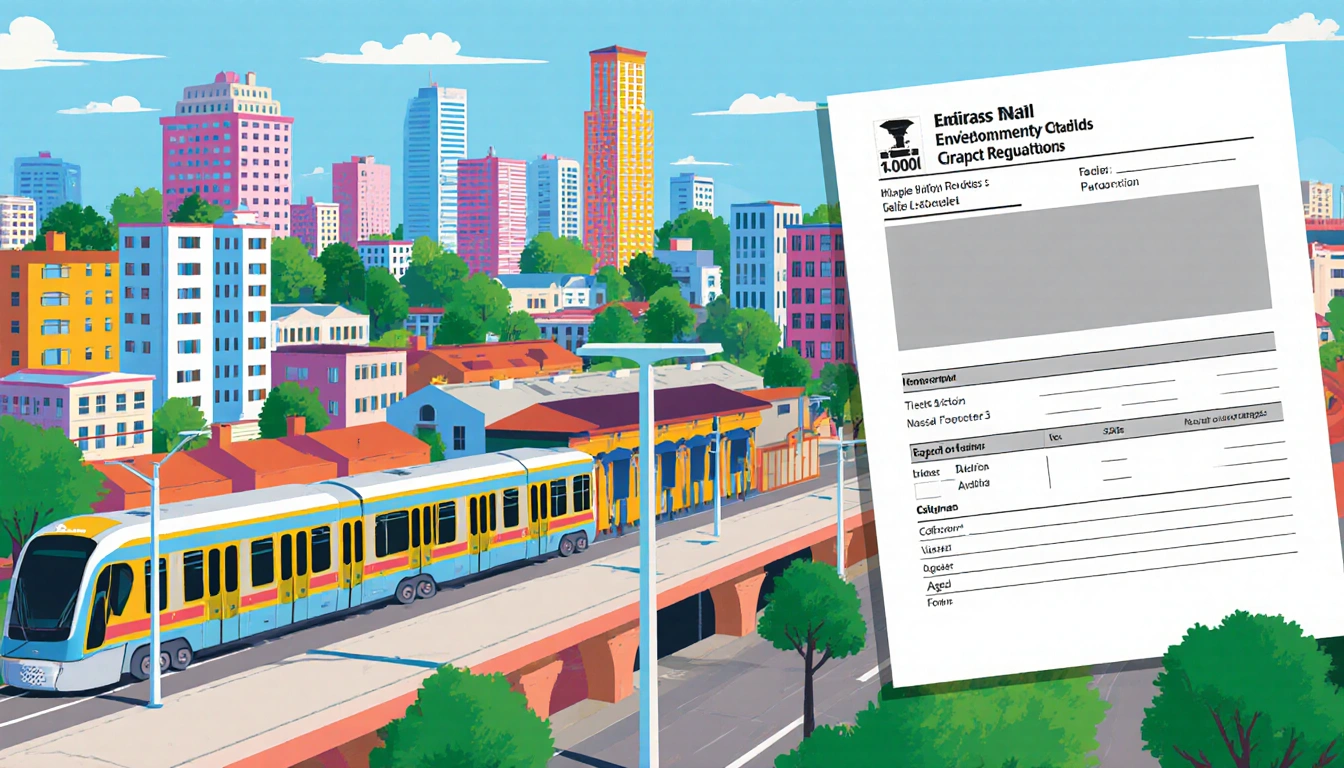
Housing remained the centerpiece of Newsom’s 2025 agenda. He signed bills that streamline development regulation, allowing taller and denser buildings near transit stations and permitting developers to bypass stringent environmental reviews. Additional laws made it easier for homeowners to rent out parts of their homes and penalized so-called “slow-growth” cities.
Affordability measures were also prominent. Newsom enacted $60 billion in refunds for electricity bills, expanded affordable child care-including free summer school programs-and extended paid family leave to more Californians. He continued work on free universal preschool for 4-year-olds and kept momentum on lowering pharmaceutical drug prices.
The state’s CalRx program, which lets the state sell pharmaceuticals directly to patients, was expanded to include insulin and naloxone. Immigrant protections were strengthened, with new bills safeguarding individuals targeted by federal enforcement agencies.
Balancing Progressive and Centrist Priorities
Progressives praised many of Newsom’s wins, especially those that addressed immediate constituent needs. Mandara Meyers, executive director of The States Project, said, “We’ve seen a continued trend this year of blue states, including with Gov. Newsom and his legislative majority, delivering more on responsive policies that are really about more immediate needs of constituents.”
However, the 123 vetoes revealed patterns that reflect a more centrist stance. An analysis by CalMatters found that Newsom most frequently cited fiscal restraint, redundancy, and the influence of Donald Trump as reasons for his vetoes.
Ted Lempert, a former Democratic Assemblyman now teaching at UC-Berkeley, described Newsom’s approach as “threading the needle.” He added, “He swings at every pitch, but he’s not missing.” Lempert noted that Newsom’s agenda “jumped around a lot,” a strategy he said is not necessarily ideological but pragmatic.
Health Care Rollback and Energy Policies
In a stark reversal of earlier promises, Newsom scaled back health-care benefits for undocumented immigrants. He framed the action as a “corrective action” needed to balance California’s overextended budget, noting that the state’s Medicaid expansion, called Medi-Cal, had cost far more than anticipated.
Energy policy also shifted. Newsom signed bills that boosted in-state oil production by streamlining drilling permit processes, a move intended to combat high gas prices. He halted plans to decommission a nuclear plant and some gas plants, citing potential power shortages. These decisions drew criticism from environmental groups and progressives.
Newsom continued to fight off efforts to raise taxes on the wealthiest residents, most recently opposing a “billionaire tax” championed by progressive groups. Supporters of that policy have since moved to place it directly on the ballot in November 2026.
Political Implications for 2028
Democratic strategists see Newsom’s legislative record as a potential advantage in the 2028 primary. While other blue-state governors, such as JB Pritzker of Illinois and Wes Moore of Maryland, also have robust legislative portfolios, Newsom’s leadership of the largest blue state gives him a unique platform.
Marva Diaz, a Sacramento-based Democratic strategist, said, “He has always been skilled at the give and take. He has taken things away from the left that they care about and given them something else.” Her comment underscores how Newsom’s “Gavin brand” may appeal to voters seeking a pragmatic, big-tent approach.
In a Politico interview, Newsom described his vision as “the Manchin to Mamdani party,” referencing conservative Democrat-turned-independent Joe Manchin and Democratic socialist Zohran Mamdani. He emphasized that his policies are not “ideological endeavors” but practical applications aimed at manifesting ideals without alienating constituents.
The Gavin Brand
Ted Lempert noted that Newsom’s persona “is not, and has never been, I am this hardcore insert-brand-here kind of politician.” Instead, Lempert sees Newsom as a figure who “does a lot of different things” and “is not out there saying, ‘I’m a conservative Democrat,’ or ‘I’m a progressive Democrat.'”
Progressives have expressed frustration with what they see as compromises with right-wing allies. Ida Eskamani, senior director on economic issues at the State Innovation Exchange, called Newsom’s health-care rollback “Trump lite” and urged him to remain steadfast about his values.
Despite criticism, Newsom’s legislative activity has positioned him as a prominent voice on the left while maintaining a centrist appeal. His actions in housing, health care, energy, and immigration illustrate a strategy of balancing competing priorities.
Key Takeaways
- Newsom signed 794 bills in 2025, vetoing 123, showcasing a broad legislative agenda.
- Housing reforms included taller buildings near transit, streamlined environmental reviews, and penalties for slow-growth cities.
- Health-care rollback for undocumented immigrants and energy policy shifts reflect a centrist, fiscal-restraint approach.
California’s new congressional map, approved by voters, gives Democrats the chance to gain up to five House seats in the next midterms, countering Republican redistricting efforts elsewhere.
Newsom’s record, while complex, may serve as a differentiator in a crowded 2028 Democratic field, offering a mix of progressive achievements and pragmatic compromises.