
At a Glance
- Nicholas Sklavos quit a corporate finance job after three years to travel Asia.
- He documents his solo adventures on TikTok, growing a large following.
- He shares how to manage a $2,000 monthly budget in Thailand and stay flexible.
- Why it matters: The story shows how frugality, planning, and adaptability can make long-term travel feasible.
Nicholas Sklavos left a steady career in corporate finance and sales to chase a dream of exploring Asia. Since then, the New Jersey native has turned his travels into a TikTok series that attracts a growing audience. Now he is revealing the practical side of his journey-how he stretches his savings, finds deals, and keeps expenses under control while roaming the world.
From Corporate Finance to Backpacking
After three years in corporate finance and sales, Sklavos decided to quit his job and set off to explore Asia with a one-way ticket. The move marked a dramatic shift from the predictable rhythm of office life to the uncertainty of the road.
Sklavos says he “honestly just saved up and tried to be frugal.” He kept a strict budget, comparing prices on Booking.com, Hostelworld, and other travel sites. Instead of booking long-term stays, he usually books two or three nights at a time, giving him flexibility to adjust plans on the fly. “You never know if you’ll want to stay somewhere longer or leave early,” he explains.
His TikTok videos showcase a wide range of experiences-from bustling city markets to quiet mountain retreats-while giving viewers a real look at the day-to-day costs of traveling.
Managing Money on the Road
Sklavos outlines a clear strategy for keeping expenses low:
- Book short stays: Two to three nights at a time to maintain flexibility.
- Use multiple platforms: Compare rates on Booking.com, Hostelworld, and local listings.
- Prioritize essential expenses: Focus on accommodation, food, and transportation.
- Set a monthly cap: For Thailand, he estimates a careful budget of about $2,000 per month.
He notes that Thailand is often perceived as expensive, but careful planning can keep costs manageable. “It’s not as expensive as people think-you just need to be mindful,” he says.
A simple table illustrates his monthly budget for Thailand:
| Category | Estimated Cost |
|---|---|
| Accommodation | $600 |
| Food | $400 |
| Transportation | $300 |
| Activities & Misc | $300 |
| Total | $1,600 |
While the actual numbers may vary, the table gives a rough idea of how he balances his spending.
Challenges on the Journey
Traveling on a budget isn’t always easy. Sklavos has faced several tough moments:
- Hostel conditions: He has stayed in hostels for just a few dollars a night, sometimes in grimy conditions with bugs and noisy roommates.
- Health issues: He contracted E. coli and spent a few days in the hospital.
- Emotional highs and lows: He acknowledges that the good far outweighs the bad.
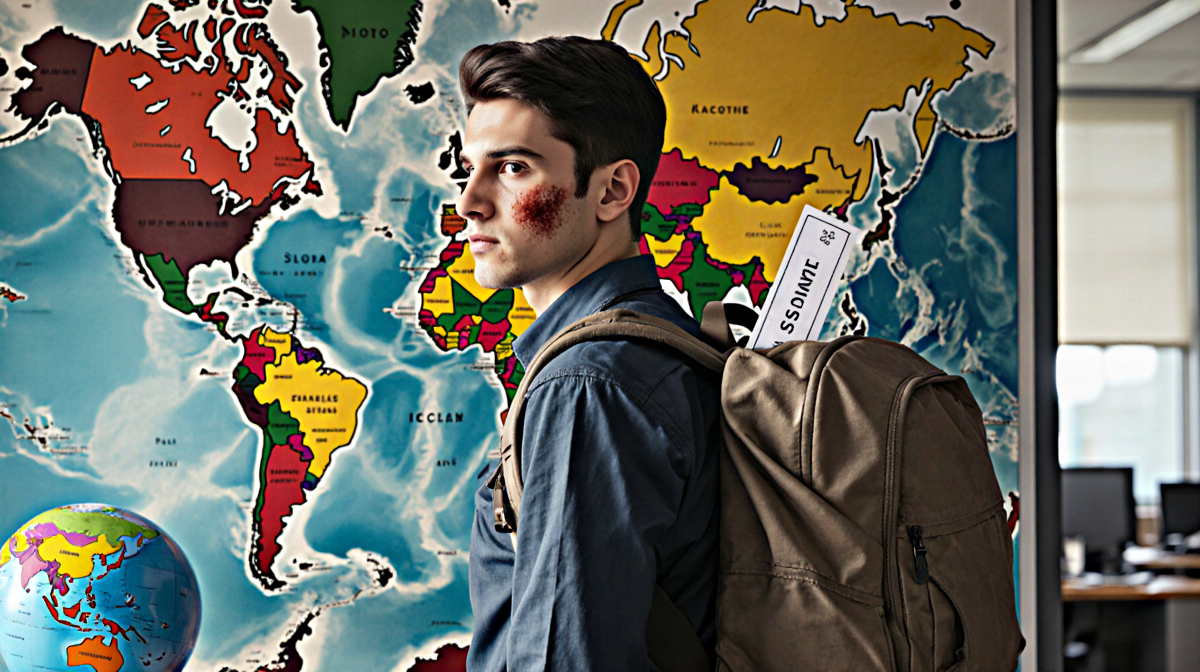
“Traveling is very different from tourism,” he says. “I’ve stayed in hostels for just a few dollars a night, sometimes in grimy conditions, dealing with bugs and noisy roommates. I even got E. coli and had to spend a few days in the hospital. Those were rough experiences, but the good far outweighs the bad.”
Despite these setbacks, he remains optimistic about the overall experience and stresses the importance of resilience and adaptability.
The Social Side of Hostels
Staying in hostels is more than a cost-saving measure; it’s a key part of the backpacking experience. Sklavos describes the social aspect as incredibly rewarding:
- Meet people from all over the world: The hostel environment encourages interaction.
- Community and support: Travelers can share tips, find travel partners, and gain local insights.
- Balance between socializing and solitude: While the social scene is vibrant, it can also make it hard to find time alone.
“The hostel experience is incredibly social. You meet people from all over the world, which is amazing, but it also means it’s hard to get time to yourself,” he says.
Budgeting Without Income
One of the biggest challenges for long-term travelers is the lack of regular income. Sklavos explains how he navigates this:
- Smart money management: He keeps a close eye on spending and adjusts as needed.
- Flexibility: If a trip becomes too expensive, he can cut back on activities or find cheaper accommodations.
- Planning ahead: By anticipating costs and setting aside savings, he avoids surprises.
“You have to be smart about your money, especially when you’re not earning income on the road,” he explains. “But it’s manageable if you plan carefully and stay aware of your spending.”
Takeaway
Nicholas Sklavos’s journey shows that a well-planned budget, flexibility, and a willingness to embrace both the highs and lows can make extended travel possible even without a steady paycheck. His TikTok series offers a candid look at the realities of backpacking, from frugal accommodation choices to unexpected health setbacks. For anyone considering a similar path, his experience underscores the importance of careful planning, a clear budget, and an open mind.