At a Glance
- Winter darkness arrives earlier, amplifying road hazards for every driver
- Brighter LED headlights trigger petitions and federal complaints
- A dirty windshield can double glare and cut vision, AAA warns
- Why it matters: Simple prep steps can prevent crashes and save lives
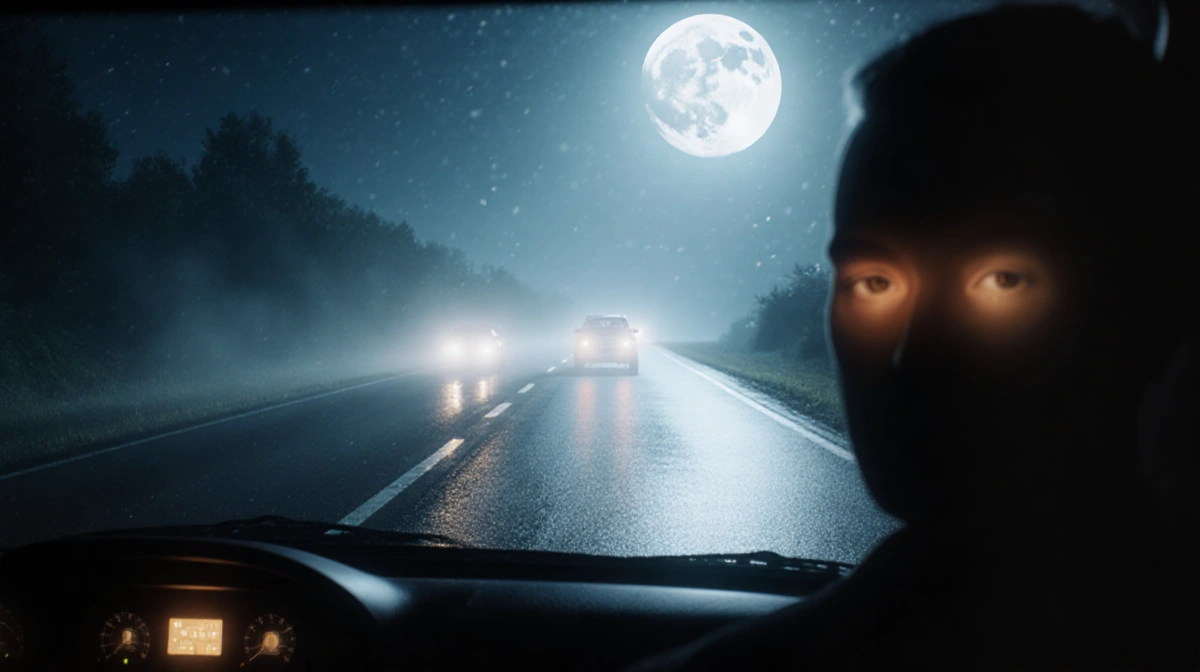
Dark commutes get riskier once clocks fall back. Headlights feel harsher, visibility drops, and even seasoned drivers squint against glare. According to News Of Losangeles, the problem is real: headlamp brightness keeps rising, a petition asks regulators to tame LED output, and the Soft Lights Foundation urges drivers to file complaints with the National Highway Traffic Safety Administration.
The good news-small habits cut danger fast. Below, every tip comes straight from AAA, the National Safety Council, the Mayo Clinic, and other named sources in the original report.
Why Night Driving Gets Worse in Winter
Less daylight means more trips in the dark, and winter weather multiplies vision challenges. Ice, snow streaks, and road salt leave windshields hazy, while colder air makes LED and HID lamps feel sharper. Drivers who wear glasses or have astigmatism notice extra flare, and fatigue from disrupted circadian rhythms after daylight-saving time adds reaction-time lag.
10 Fast Ways to See Better After Dark
- Keep your windshield clean
Dust and smears scatter light, creating star-bursts around every headlamp. AAA advises washing glass at least weekly; skip rain-repellent coatings at night because they can add glare.
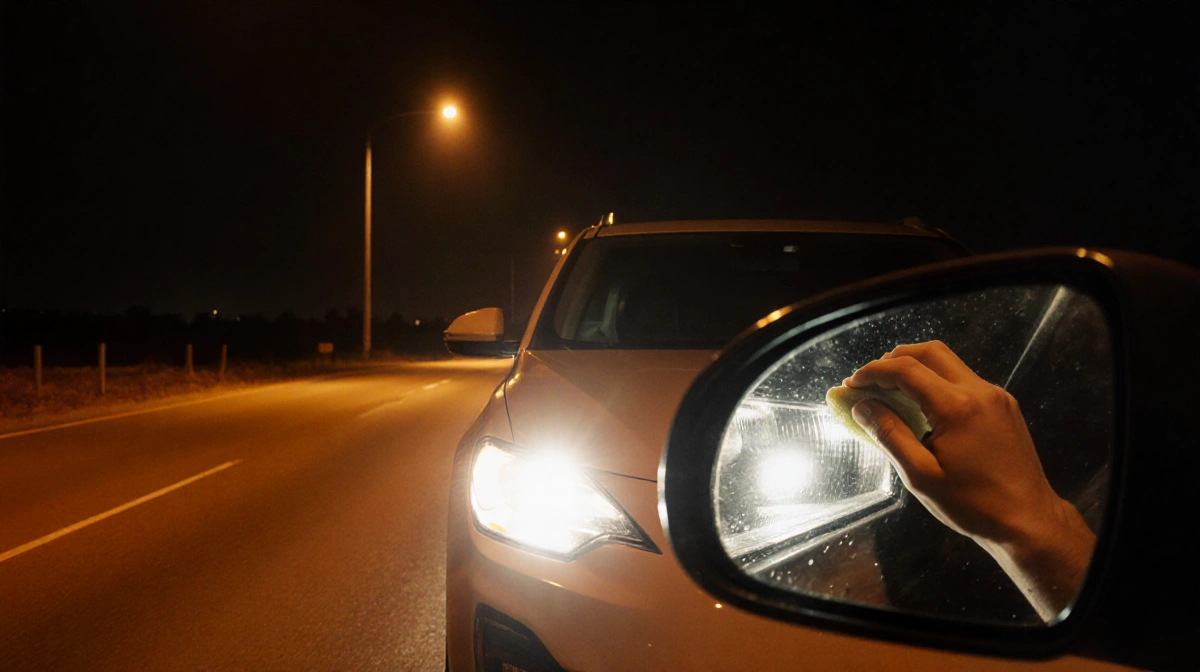
- Keep your headlights clean
Bug splats and winter grit cut your own light output by up to 30 percent. A quick wipe with a damp cloth before you set off restores full beam and helps other cars see you sooner.
- Use high beams when needed
Switch them on for open rural stretches, long straight roads, or when scanning fields for deer. Turn them off in fog, heavy rain, or when topping hills and rounding bends so you don’t blind on-coming traffic.
- Avoid looking at headlights
Stare at an on-coming lamp and you can carry an after-image for several seconds. Shift gaze low and to the right edge of your lane until the vehicle passes.
- Check headlight alignment
Potholes, worn suspension, or factory error can tilt beams upward, blinding others and shortening your own sight distance. Have a mechanic verify aim at every oil change; U.S. rules do not require post-install alignment tests.
- Dim your interior lights
Bright dash or dome lights shrink your pupil, cutting night vision. Set instruments to the lowest readable level and switch map lights off unless you truly need them.
- Keep your eyeglasses clean
Smudges act like a dirty windshield, scattering glare across your lenses. Use a microfiber cloth and lens cleaner-shirt tails scratch and leave more streaks.
- Wear the right eyeglasses
Stay current with eye exams so your prescription matches today’s needs. Anti-reflective coating cuts internal reflections inside the lens. Skip wide frames that block side vision. Yellow “night-driving” lenses are sold everywhere, but check with your doctor-some pros warn they may actually cut the light you need.
- Keep yourself alert for driving
Even a one-hour time change can mimic jet-lag. Northwestern Medicine notes that circadian disruption brings blurred vision and slower reaction times. Get seven to eight hours of sleep, and delay caffeine so the boost peaks during your drive.
- Increase your following distance
Low-beam headlights illuminate only about 160 feet; at 55 mph you cover that in two seconds. Add one extra second of following space at night so you can brake or swerve if the car ahead spots a deer or debris you still can’t see.
Quick Reference: Night-Driving Checklist
| Action | Benefit |
|---|---|
| Clean windshield & headlights | Cuts glare up to 40 % |
| Aim headlights | Protects on-coming drivers, boosts your range |
| Dim dash lights | Preserves natural night vision |
| Anti-reflective lenses | Reduces lens flare for glasses wearers |
| Extra 1-second gap | Doubles reaction time |
Key Takeaways
- Visibility, not skill, is the winter-night wildcard; simple prep beats fancy tech
- A weekly wipe of glass and lamps takes under five minutes and pays off all week
- Aligning headlights protects everyone-mis-aimed beams are a top glare complaint
- Glasses wearers gain the most from clean lenses, AR coating, and regular eye exams
- Extra following distance is the cheapest insurance against hidden hazards
Implement two or three of these fixes before your next after-dark trip and you’ll drive calmer, see farther, and cut collision risk-no high-dollar gadgets required.