> At a Glance
> – Norovirus levels are “high” nationwide, up 45% since November
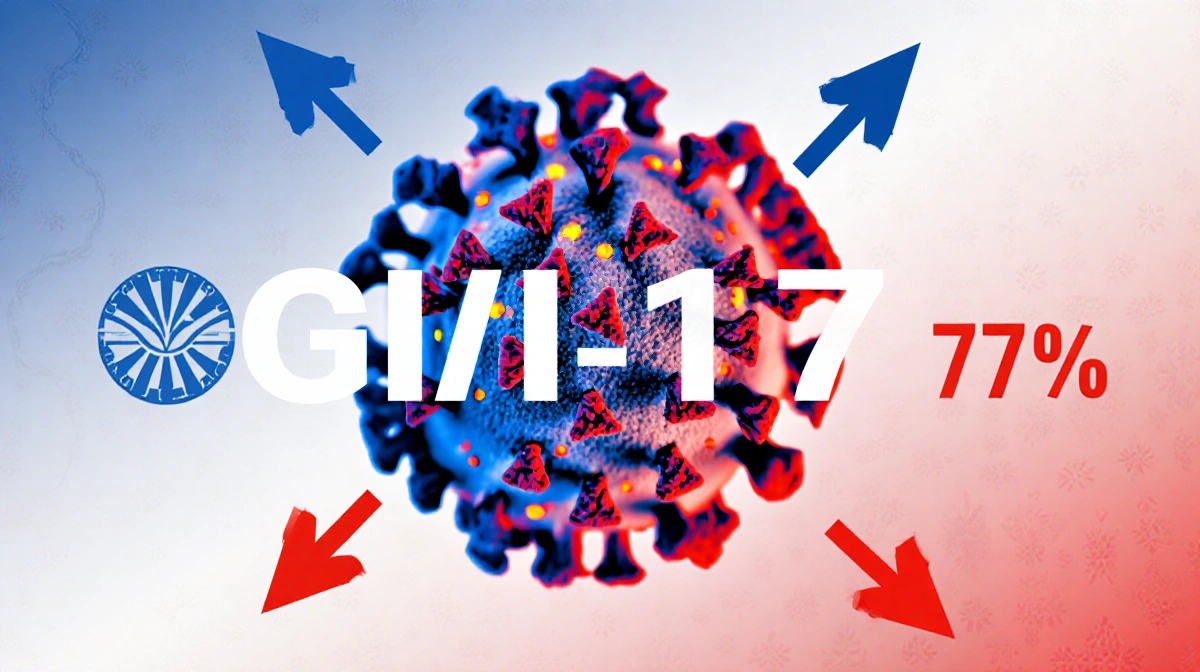
> – New GII.17 strain caused 75% of outbreaks this season vs. <10% last year
> – Midwest and Northeast show highest wastewater concentrations
> – Why it matters: Classic winter vomiting bug is hitting harder and earlier, with no vaccine available yet
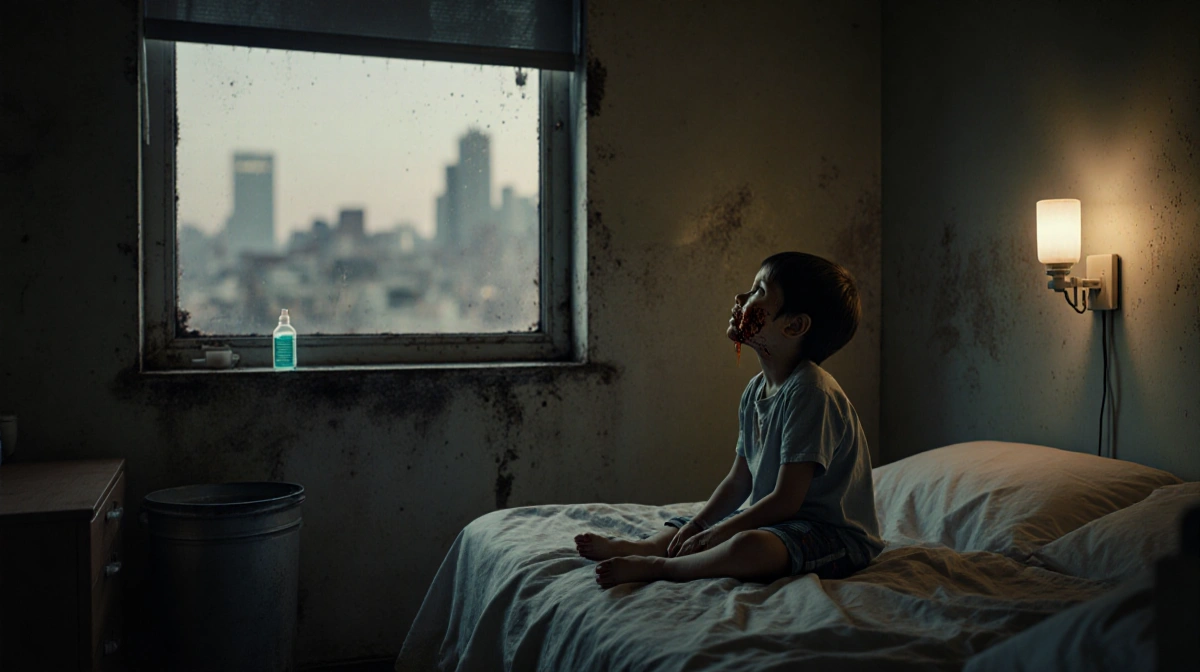
The winter vomiting bug is back with a vengeance. Norovirus-famous for its sudden gut-wrenching attacks-is climbing earlier than usual, driven by a newly dominant strain that has health officials urging vigilance.
What the Data Shows
Wastewater surveillance tracked by WastewaterSCAN reveals a steep national rise. Levels jumped 45% since November and have trended upward for three straight weeks, says Marlene Wolfe, Ph.D., program director at Emory University.
| Region | Current Status |
|---|---|
| Midwest | Highest concentration |
| Northeast | Highest concentration |
| National | Up 45% since Nov. |
Two Massachusetts schools shuttered for days this month after dozens of students reported stomach-bug symptoms, NBC Boston noted. Cruise ships are also logging fresh outbreaks.
Why This Season Feels Harsher
The current surge traces to GII.17, a variant that emerged about a decade ago in Asia. During the 2024-2025 season it has sparked 75% of U.S. outbreaks, compared with <10% in 2023, per CDC data.
Dr. Scott Roberts, Yale infectious-disease physician, explains the shift:
> “Whenever there is a new strain, it’s really easy for it to start spreading rapidly, and that’s what we saw last year.”
Immunity after infection is partial and short-lived, and prior exposure to older strains may not protect against GII.17, leaving more people vulnerable.
Symptoms & Protection
Illness strikes fast-12-48 hours after exposure-and typically clears in one to three days. Look for:
- Sudden vomiting
- Watery diarrhea
- Nausea and cramps
- Low-grade fever, chills, headache (less common)
Dr. William Schaffner, Vanderbilt infectious-disease specialist, warns:
> “It takes very few particles, between one and 10, to initiate an infection.”
There is no vaccine (a Moderna candidate is in Phase 3 trials) and no specific cure-just supportive care and hydration.
How to Stay Safe
- Wash hands with soap and water; alcohol sanitizers won’t cut it
- Disinfect surfaces with bleach-based cleaners
- Cook shellfish to ≥145°F
- Stay home 48 hours after symptoms stop
- Avoid preparing food while sick or for two weeks afterward
Key Takeaways
- Norovirus is surging earlier and harder, led by the GII.17 strain
- Wastewater levels up 45% since November; Midwest and Northeast worst hit
- No vaccine yet; bleach and hand-washing remain best defenses
- Most people recover in 1-3 days, but dehydration can hospitalize the very young or old
Stay alert, scrub those hands, and keep bleach wipes handy-this season’s norovirus shows no signs of slowing yet.